
Nepal charts a new
course for Everest
First major rule changes in decades introduced
to curb overcrowding and improve safety

As the spring hiking season was drawing to a close in May, dozens of porters were already strapping heavy loads to their backs to begin dismantling Everest Base Camp.
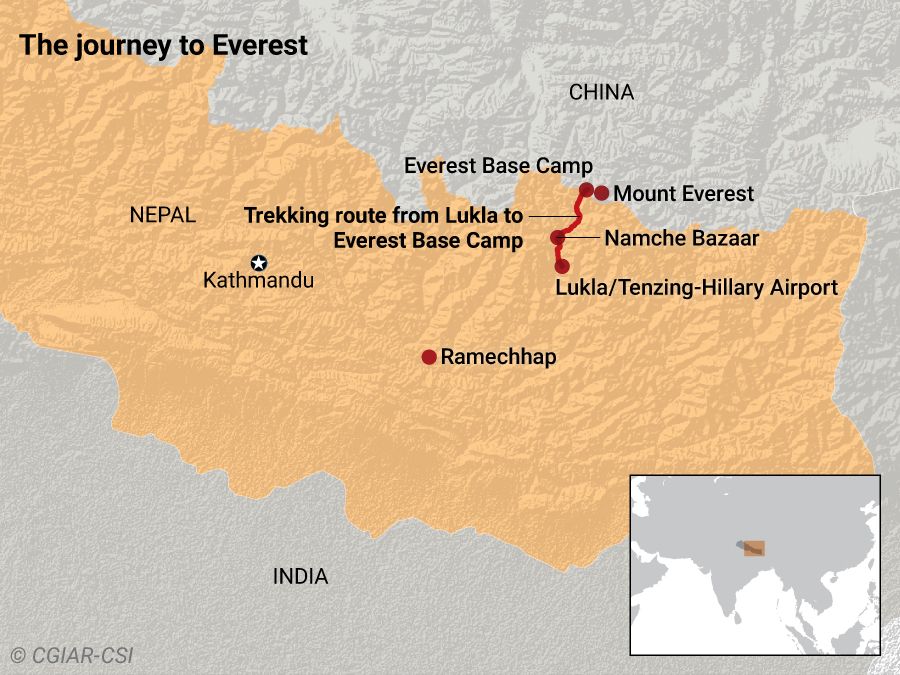
Peaceful moments were few and far between along the trail from Lukla -- the small Nepalese town known as the "gateway to Everest" -- to the foot of the world’s tallest mountain. Yaks, donkeys and tourists clogged the winding mountain paths and swaying suspension bridges, raising serious questions about the sustainability of the increasingly congested route.
After years of debate, the Nepalese government has finally stepped in to improve safety and sustainability on the mountain, and climbers aiming for the “top of the world” face a surge of new restrictions -- the first major changes to Everest access in decades.
The new rules include mandatory guide-to-client ratios, minimum daily wages for guides and more comprehensive life-insurance policies for visitors attempting to reach the summit. Climbers will also be required to summit a 7,000-meter peak before attempting Everest -- a regulation that experts have called a “game changer.”
The final shape of the new rules remains subject to change, based on ongoing policy discussions in Kathmandu, but the first changes have already been implemented and the new framework is expected to be firmly in place by the opening of the 2026 spring season in March.
Most activity on Everest takes place in the spring and fall seasons, when the weather is most likely to be calm. Doubts remain, however, about how effectively the new rules will be enforced and whether they will truly help to save lives and improve trail sustainability.
Nepal’s mountainous regions make up about 15% of its land area, and the country is home to eight of the world’s 14 peaks over 8,000 meters. Every year, thousands of international climbers and trekkers flock to the country, contributing millions of dollars to its developing economy.
The Nepal Economic Forum has called climbing “a critical business that provides much-needed income to the rural economy.” During the March-May climbing season in 2023, the country earned $5.8 million in permit fees -- with $5 million attributed to activity on Everest, known locally as Sagarmatha. Tourism is estimated to support over 500,000 jobs nationwide.
With big changes on the horizon, Nikkei Asia trekked to Everest Base Camp at the height of the 2025 spring climbing season to capture what could be the end of an era.
The following photographs were taken between May 5 and May 25, 2025.
Anton L. Delgado is a contributing writer and photographer.



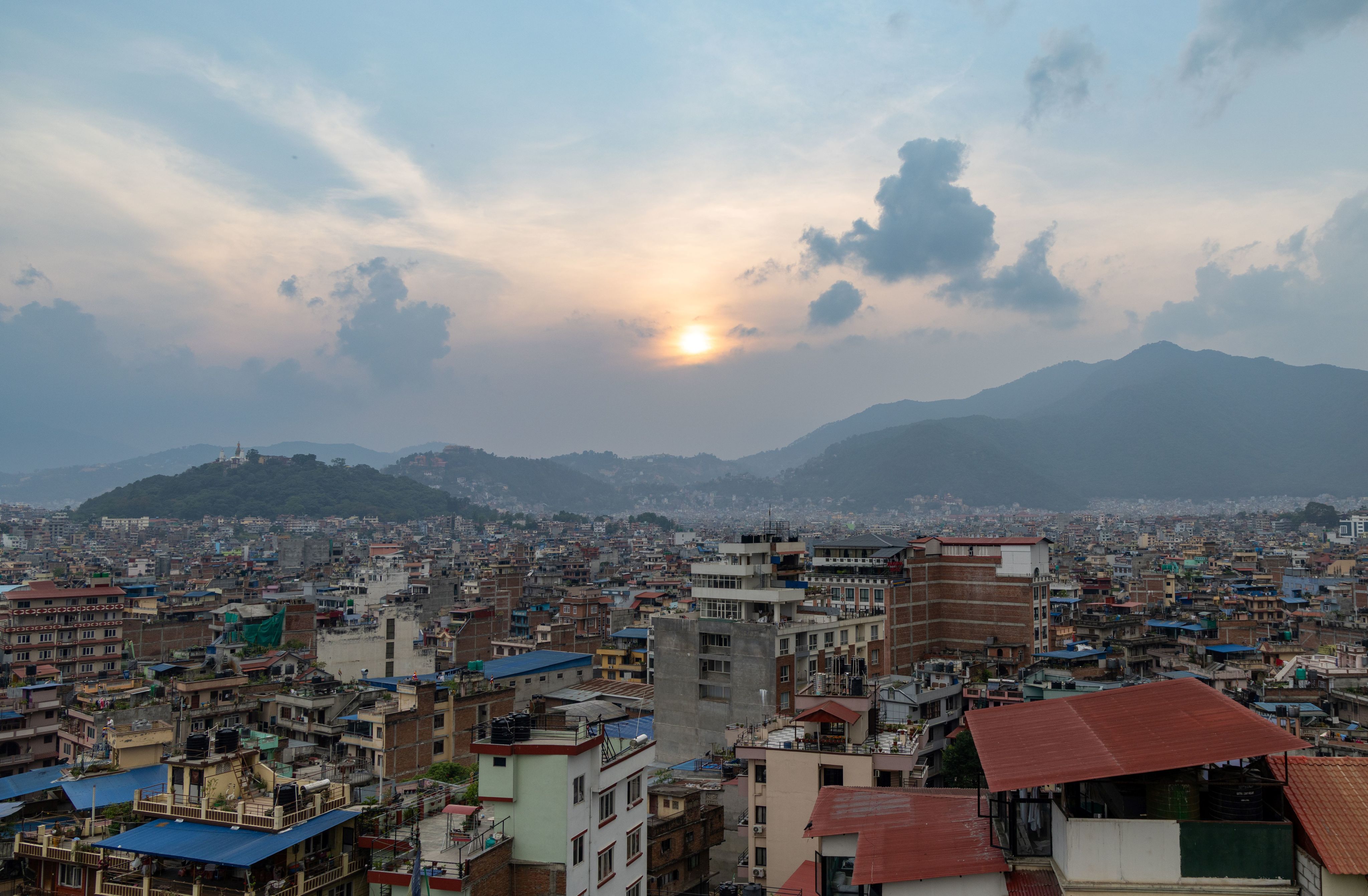
The sun sets over the sprawling Nepalese capital of Kathmandu, the logistical hub and entry point for most international expeditions to Mount Everest.
The sun sets over the sprawling Nepalese capital of Kathmandu, the logistical hub and entry point for most international expeditions to Mount Everest.

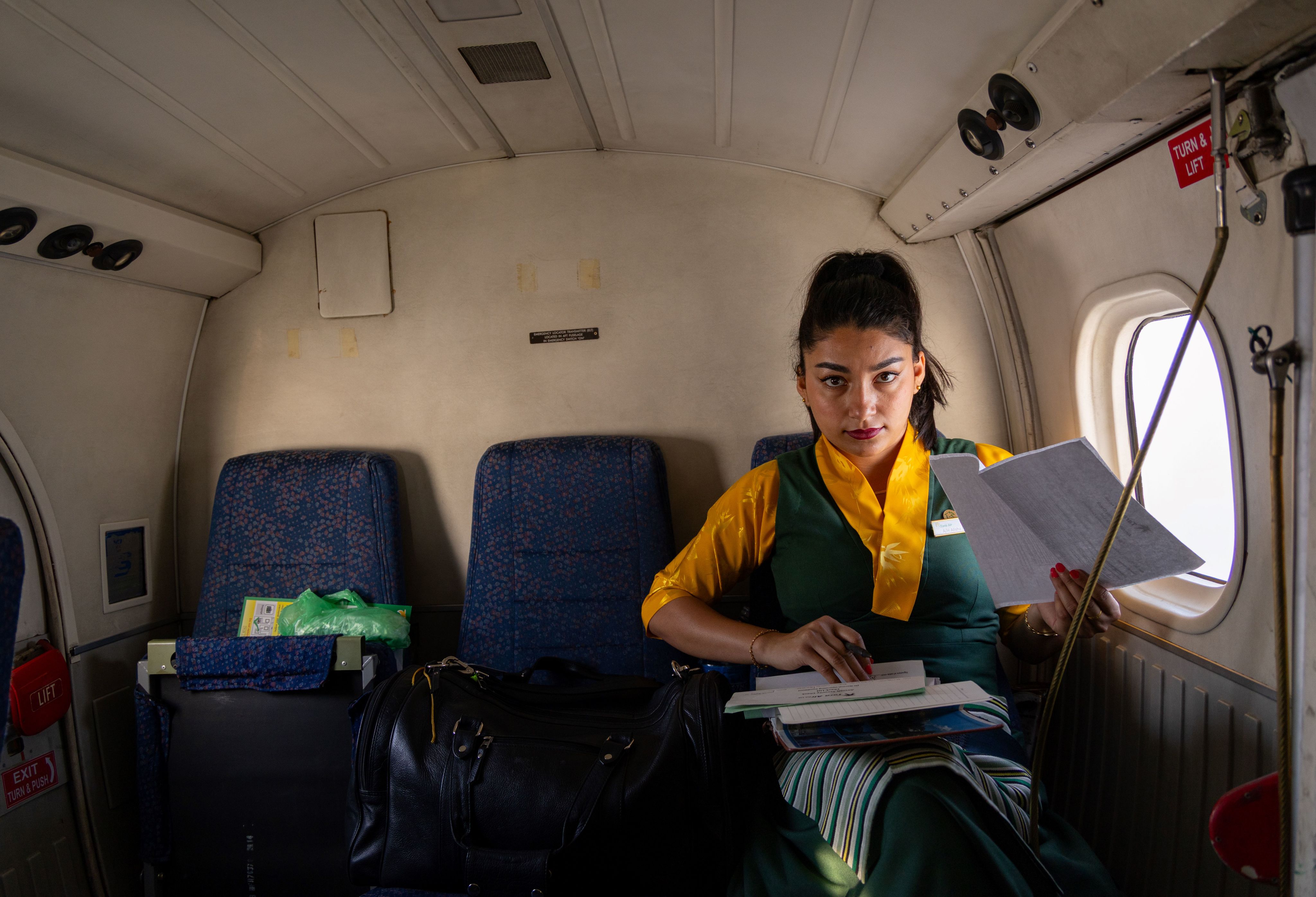
A Tara Air flight attendant calmly flips through her papers during the white-knuckle flight from the eastern town of Ramechhap to the nearby destination of Lukla, known as the "gateway to Everest."
A Tara Air flight attendant calmly flips through her papers during the white-knuckle flight from the eastern town of Ramechhap to the nearby destination of Lukla, known as the "gateway to Everest."

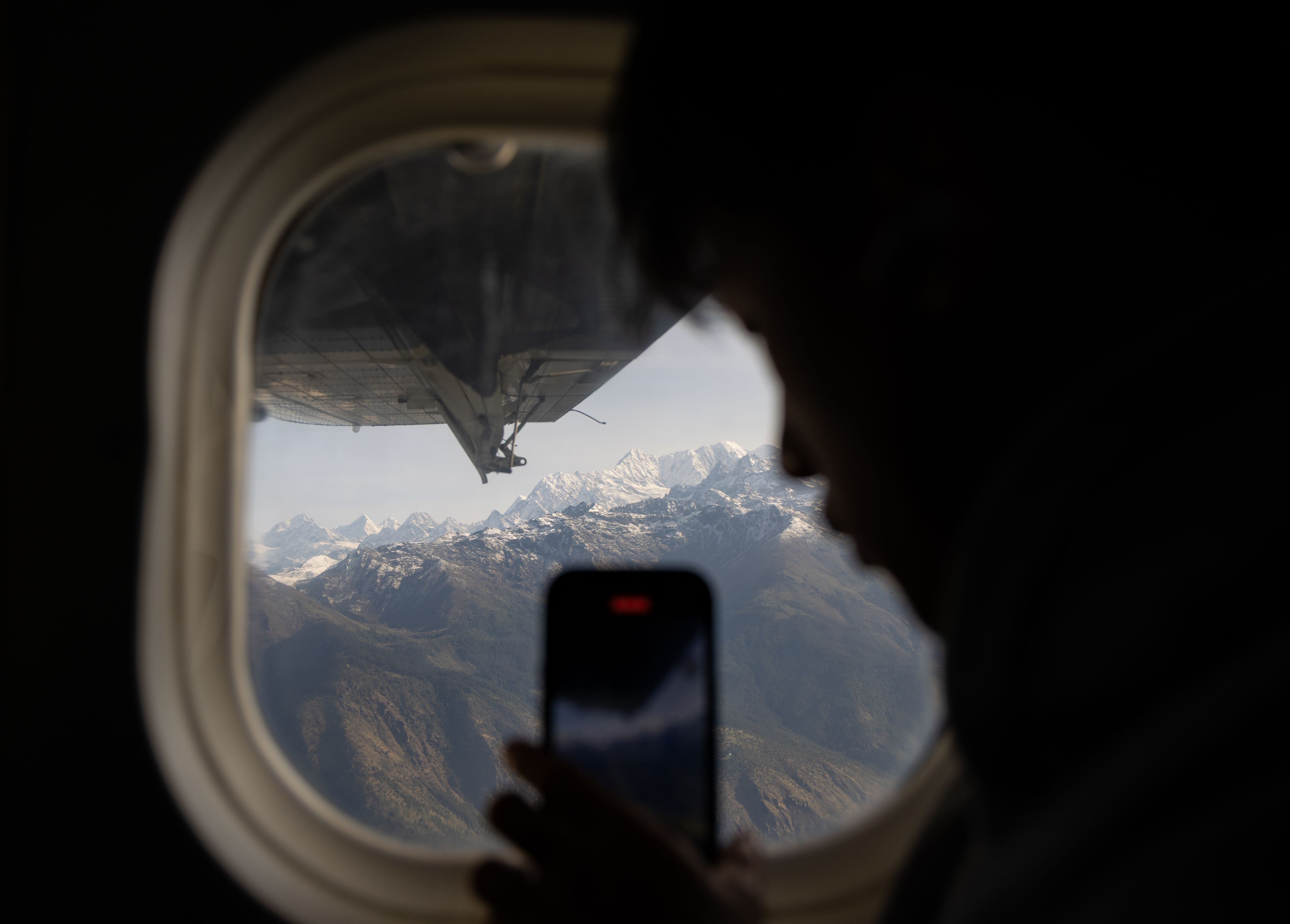
A passenger records the majesty of the Himalayas while flying past the peaks.
A passenger records the majesty of the Himalayas while flying past the peaks.

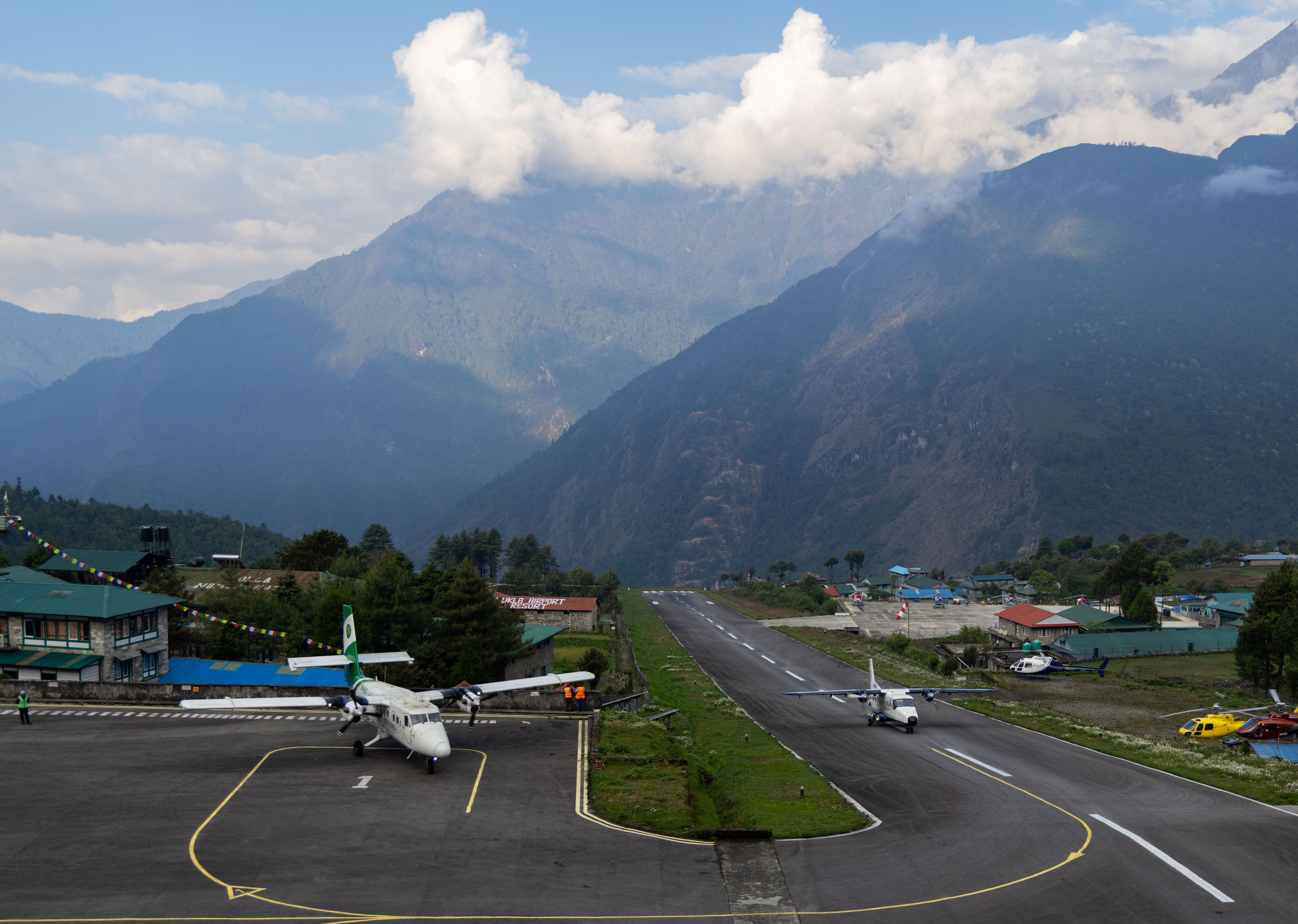
Named after the first climbers to summit Mount Everest, Tenzing-Hillary Airport in Lukla is said to be one of the world’s most dangerous airports due to a combination of extreme terrain, unpredictable weather and a short, sloped runway.
Named after the first climbers to summit Mount Everest, Tenzing-Hillary Airport in Lukla is said to be one of the world’s most dangerous airports due to a combination of extreme terrain, unpredictable weather and a short, sloped runway.

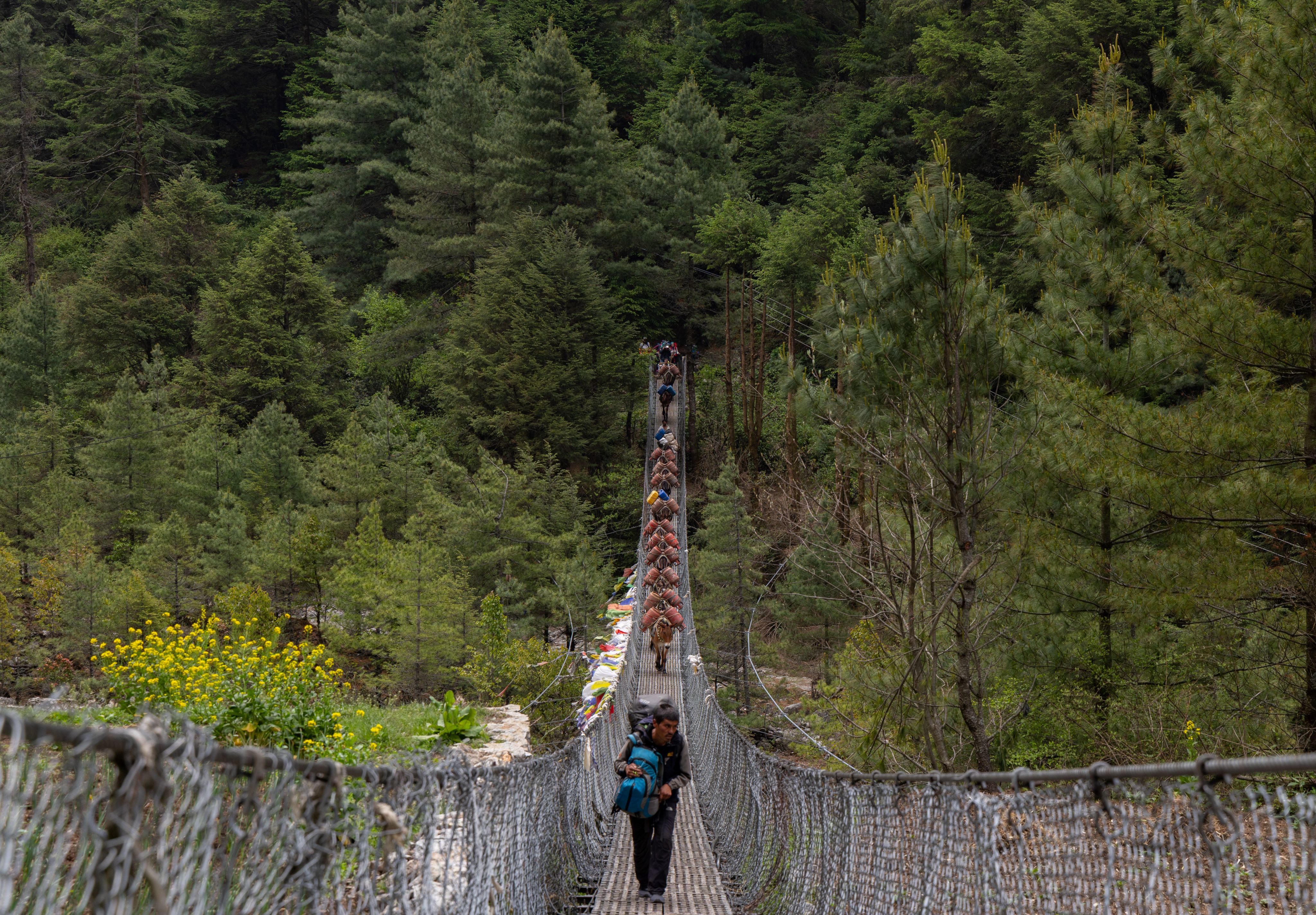
A mule caravan crosses a suspension bridge in Sagarmatha National Park along the trail to Everest Base Camp.
A mule caravan crosses a suspension bridge in Sagarmatha National Park along the trail to Everest Base Camp.

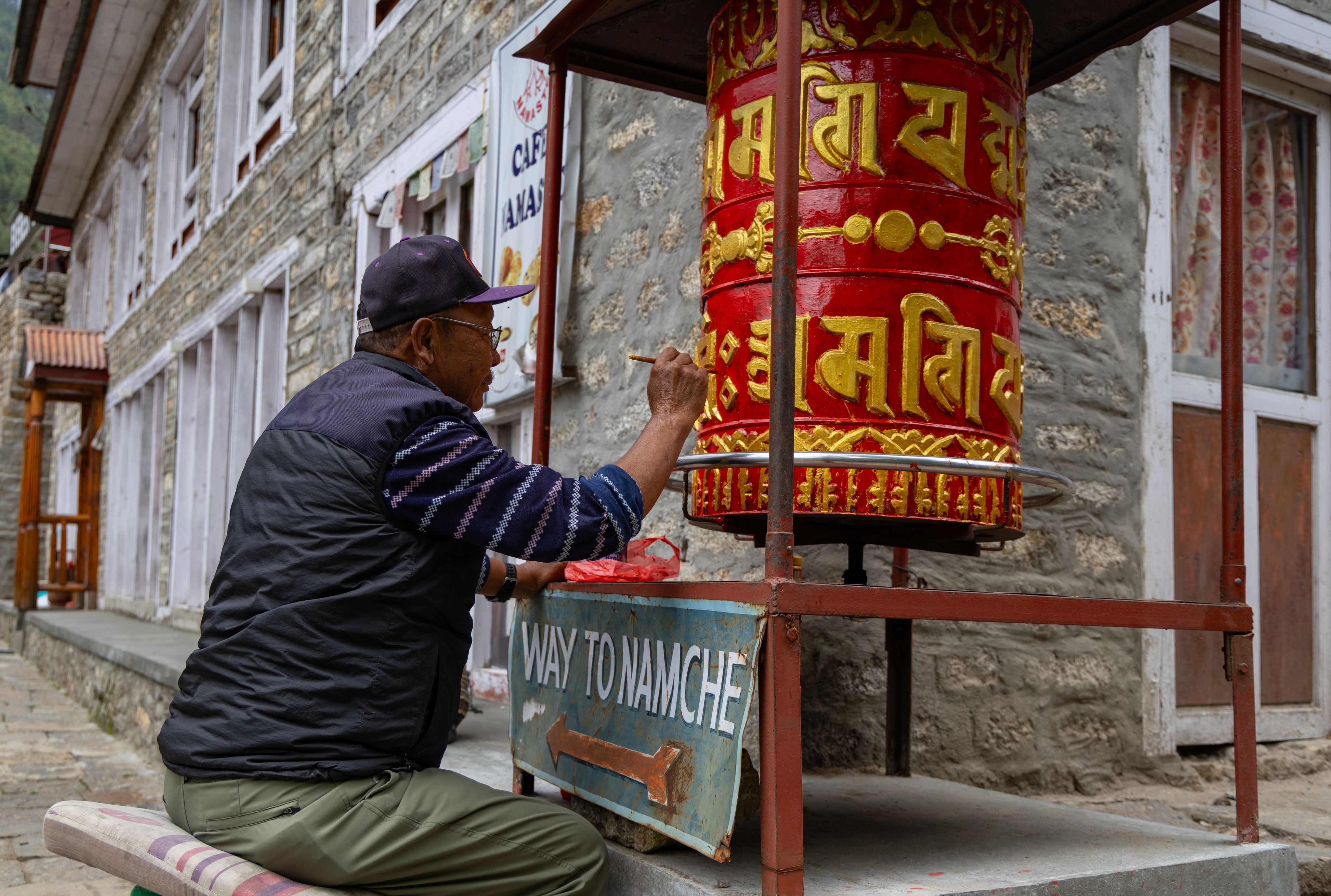
A man repaints a prayer wheel on the trail to Namche Bazaar, a major staging point for Everest expeditions.
A man repaints a prayer wheel on the trail to Namche Bazaar, a major staging point for Everest expeditions.

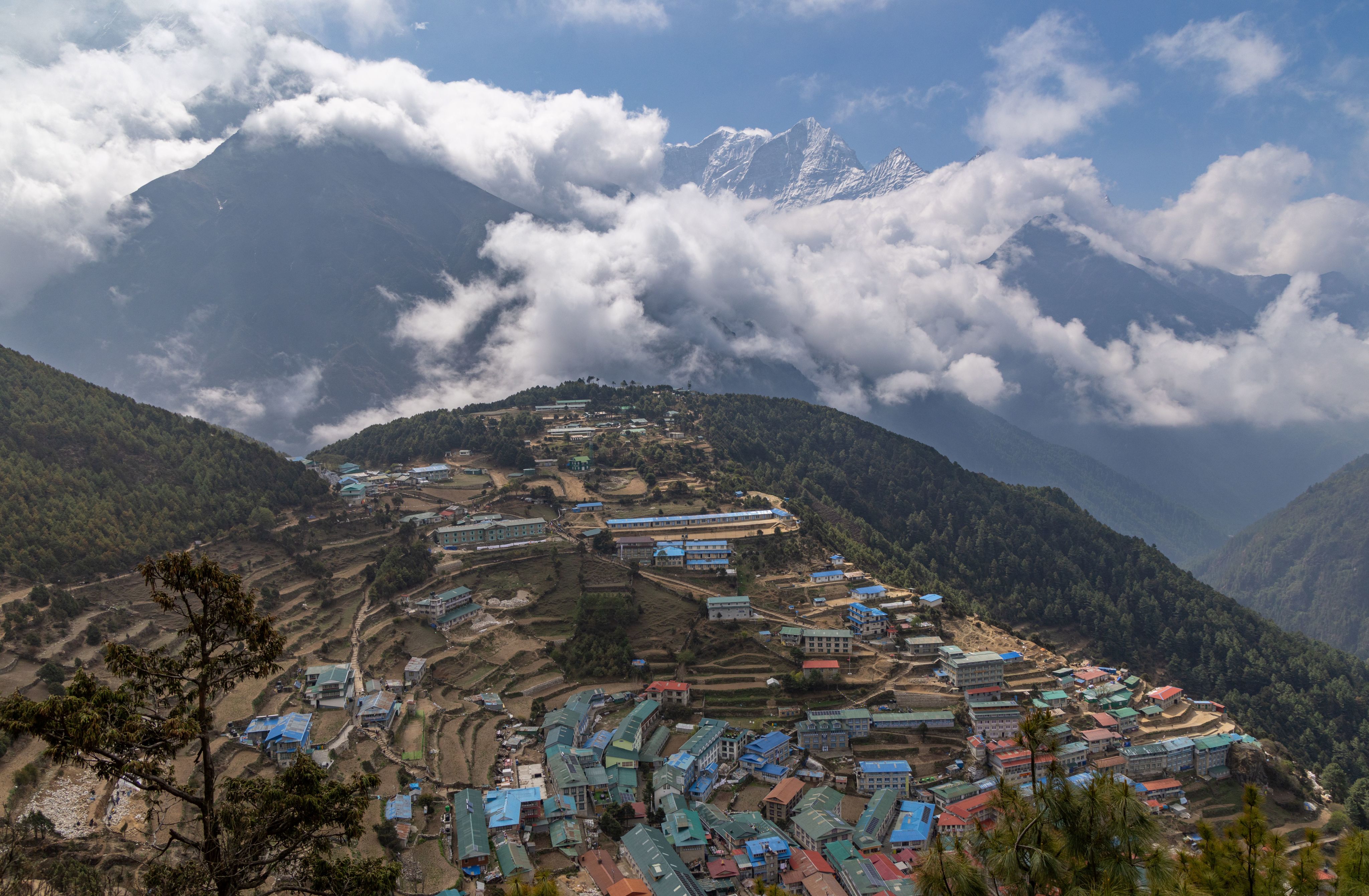
Namche Bazaar, which sits at 3,440 meters, is one of the major towns on the trail to Everest Base Camp.
Namche Bazaar, which sits at 3,440 meters, is one of the major towns on the trail to Everest Base Camp.

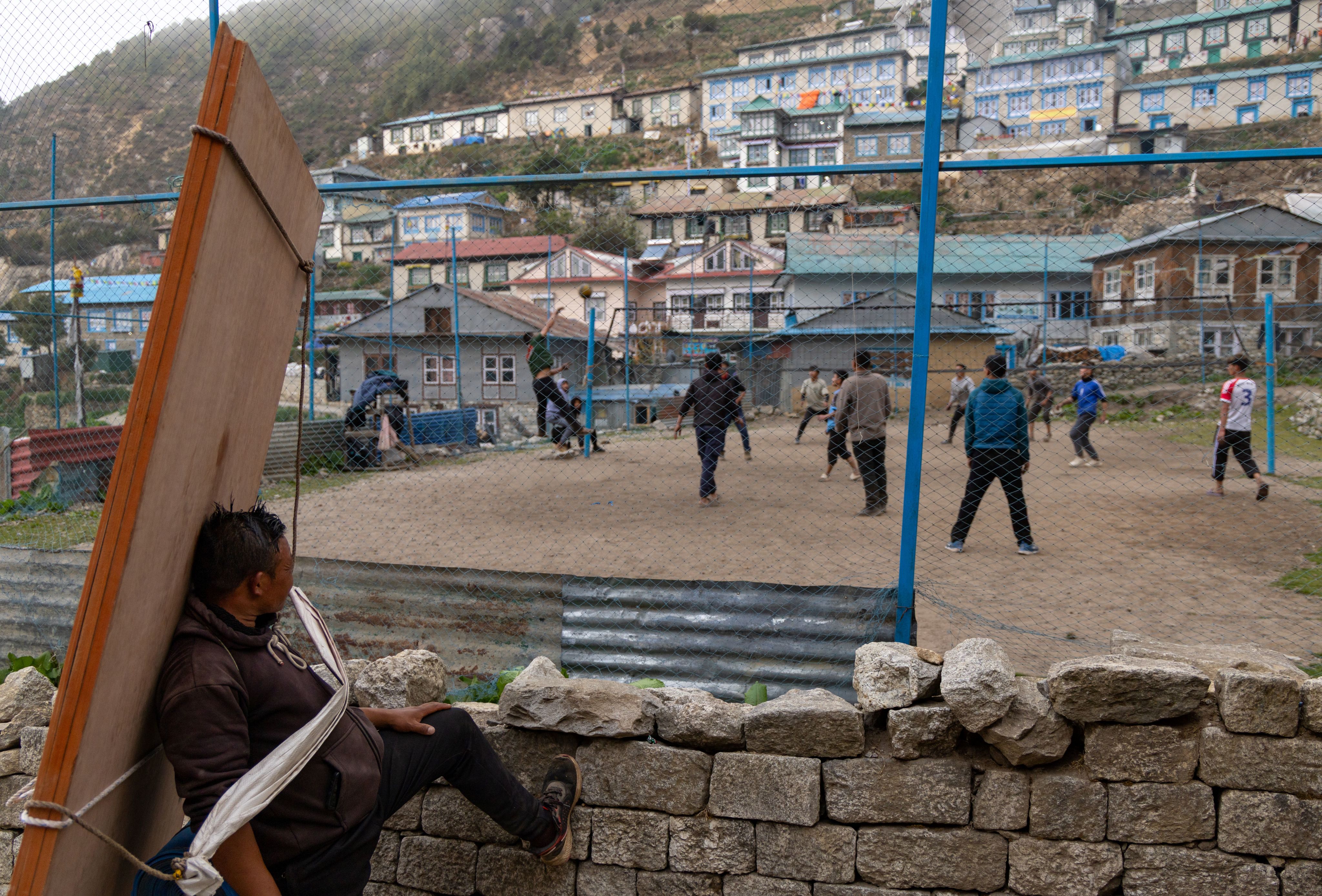
A porter watches an intense game of volleyball in Namche Bazaar.
A porter watches an intense game of volleyball in Namche Bazaar.

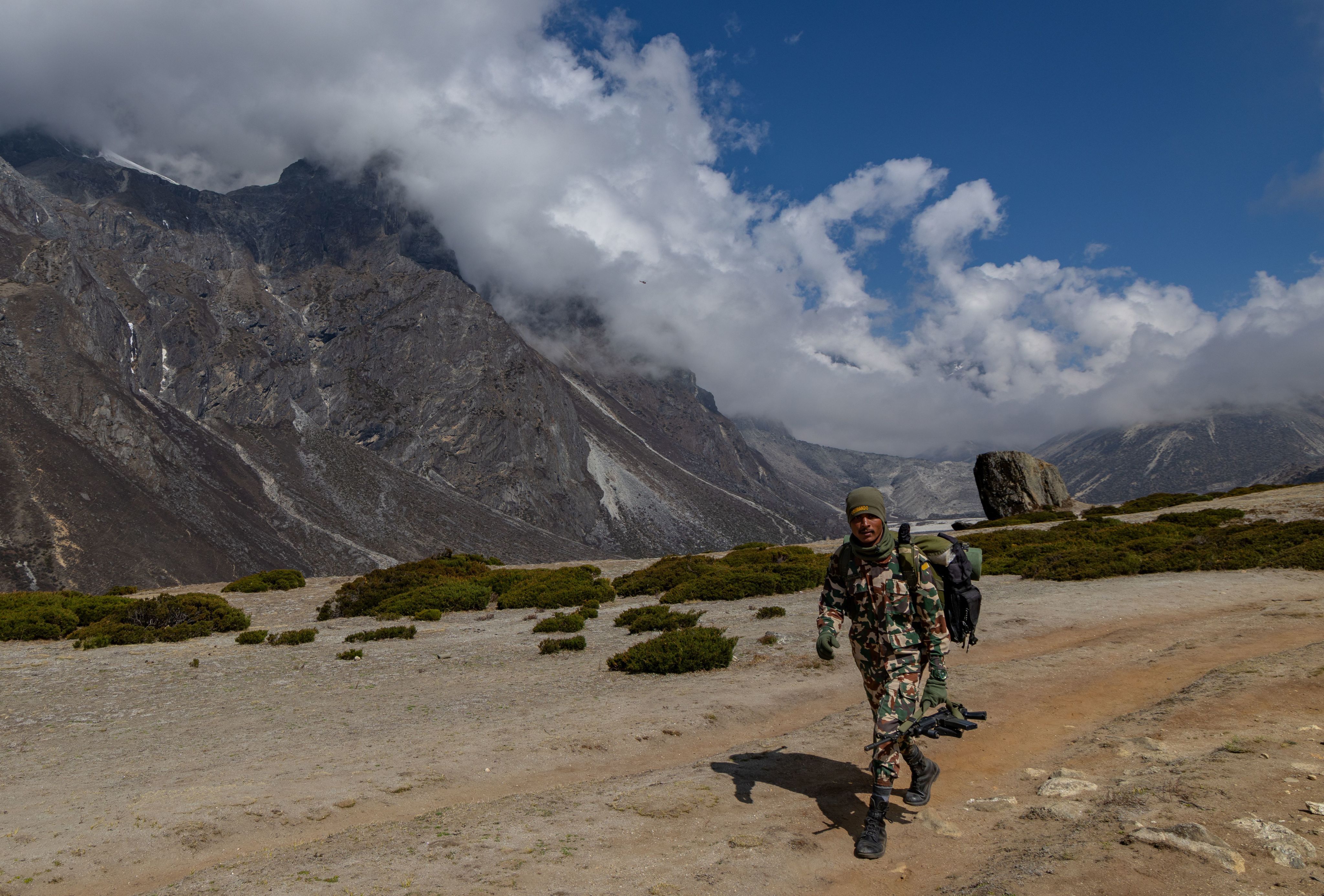
An armed soldier in the Royal Nepal Army, which is responsible for Sagarmatha National Park, marches down the trail.
An armed soldier in the Royal Nepal Army, which is responsible for Sagarmatha National Park, marches down the trail.

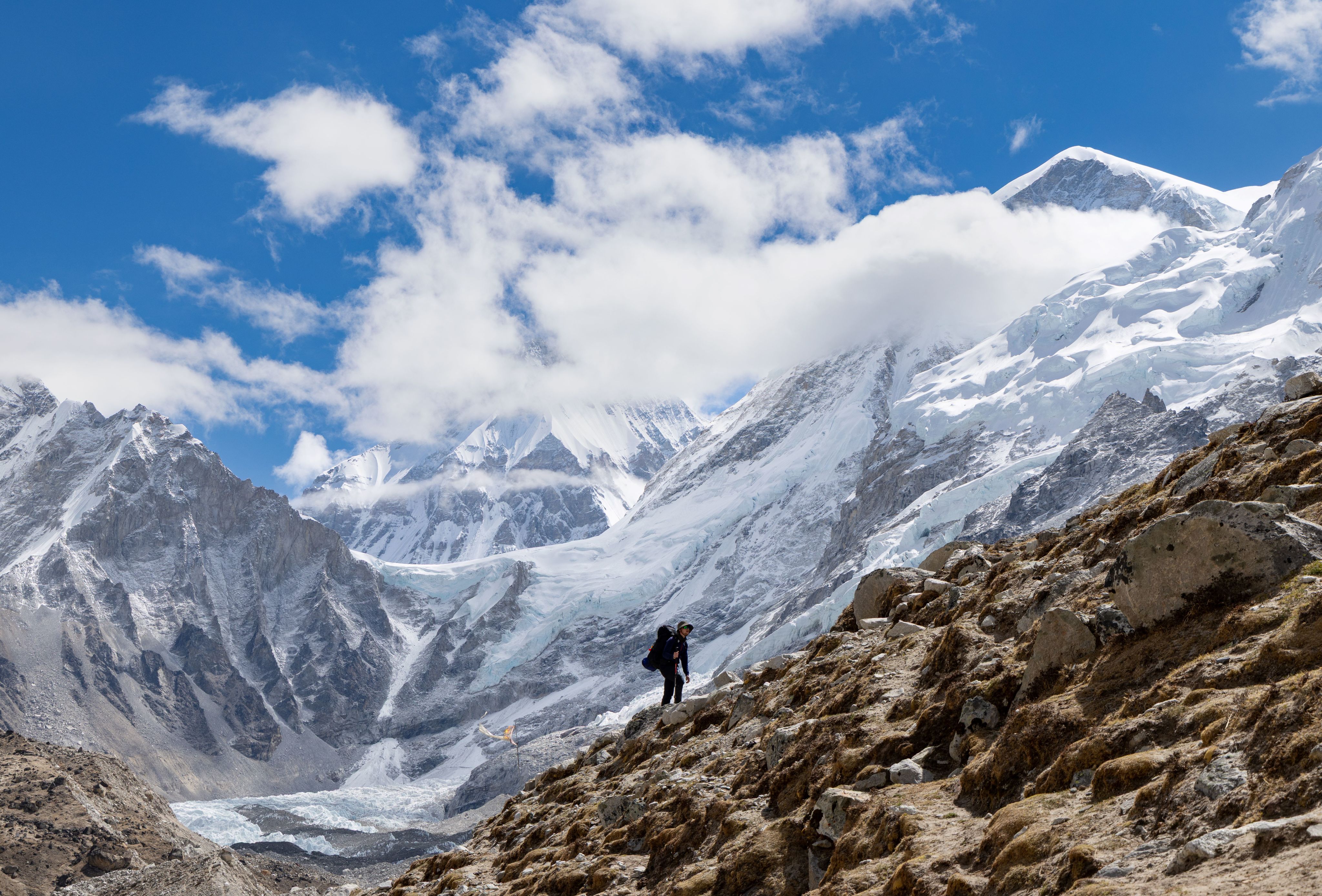
A trekker moves through a valley of towering peaks on the final approach to Everest Base Camp.
A trekker moves through a valley of towering peaks on the final approach to Everest Base Camp.

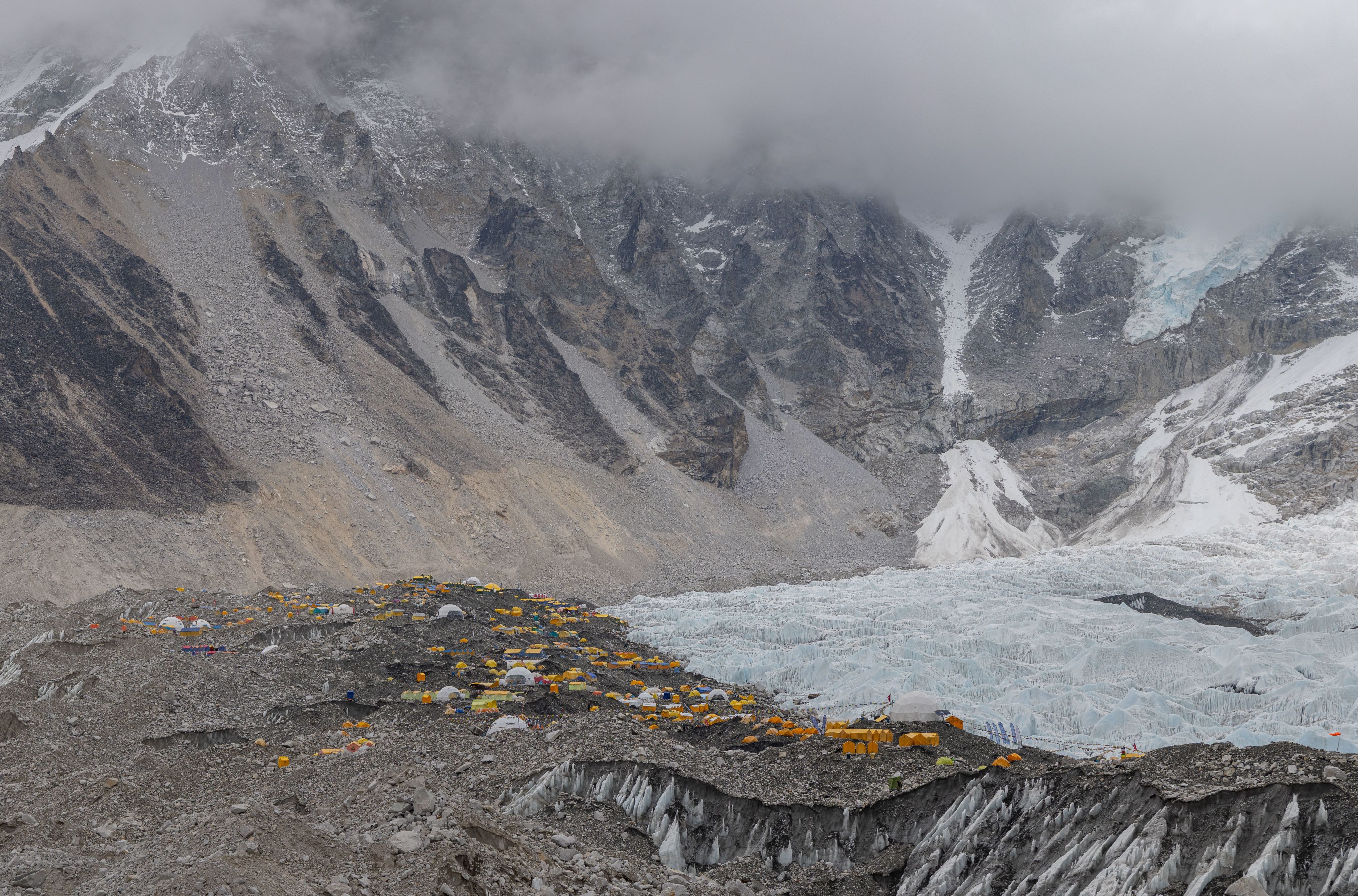
The sprawling tent city of Everest Base Camp sits at the bottom of the Khumbu Icefall.
The sprawling tent city of Everest Base Camp sits at the bottom of the Khumbu Icefall.

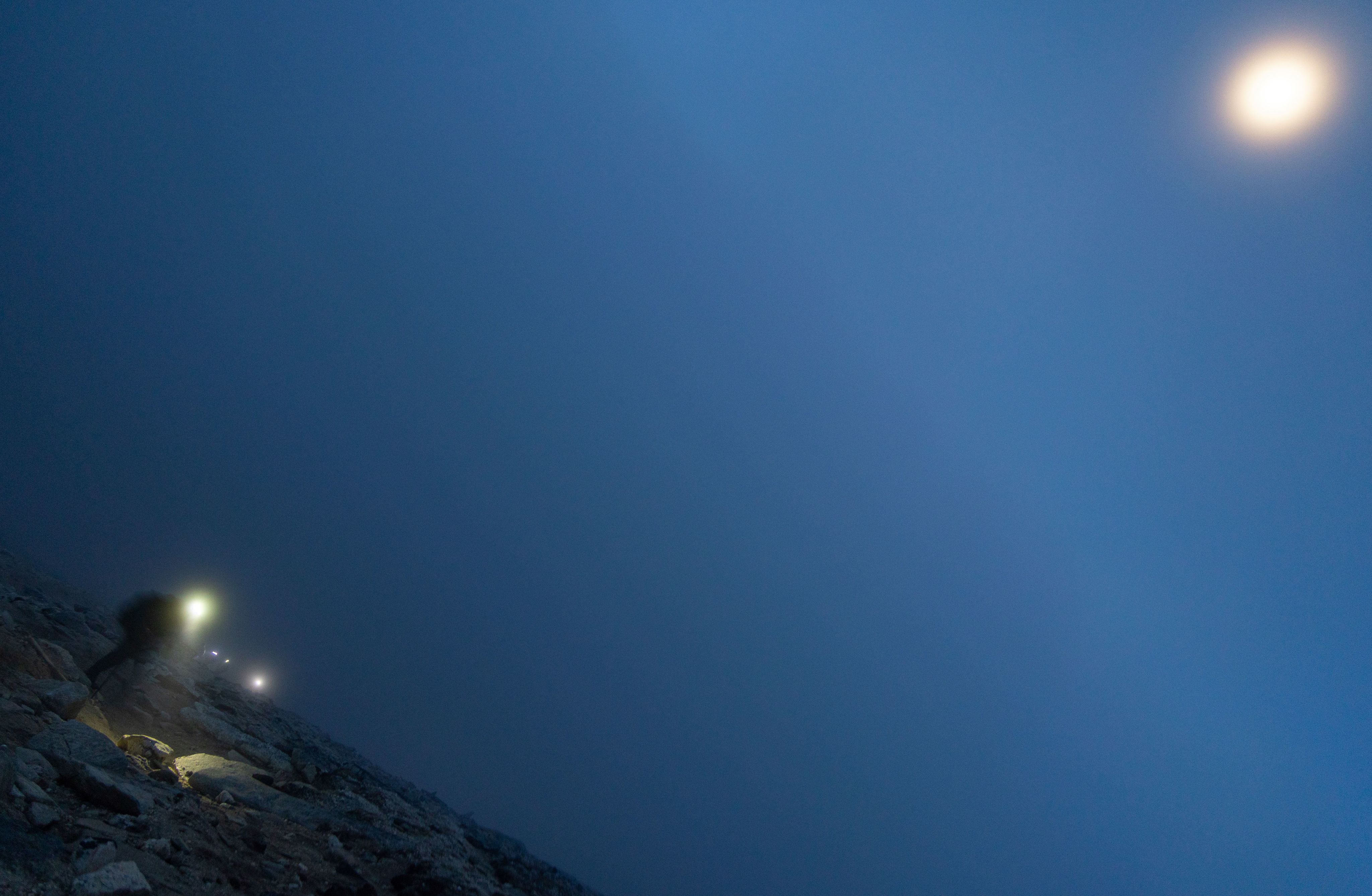
Headlamps dot the trail up Kala Patthar as trekkers brave subzero temperatures for a panoramic view of Everest.
Headlamps dot the trail up Kala Patthar as trekkers brave subzero temperatures for a panoramic view of Everest.

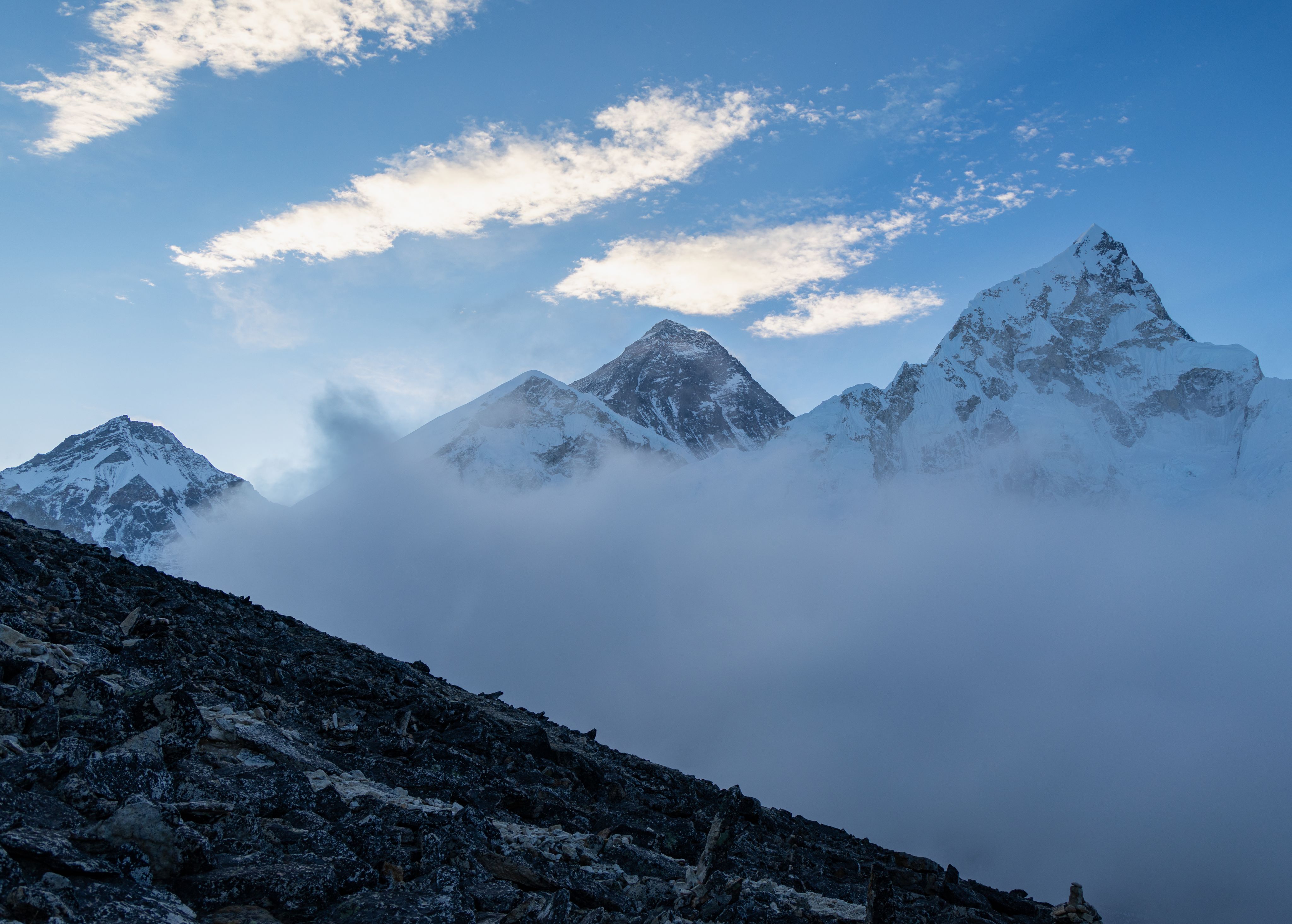
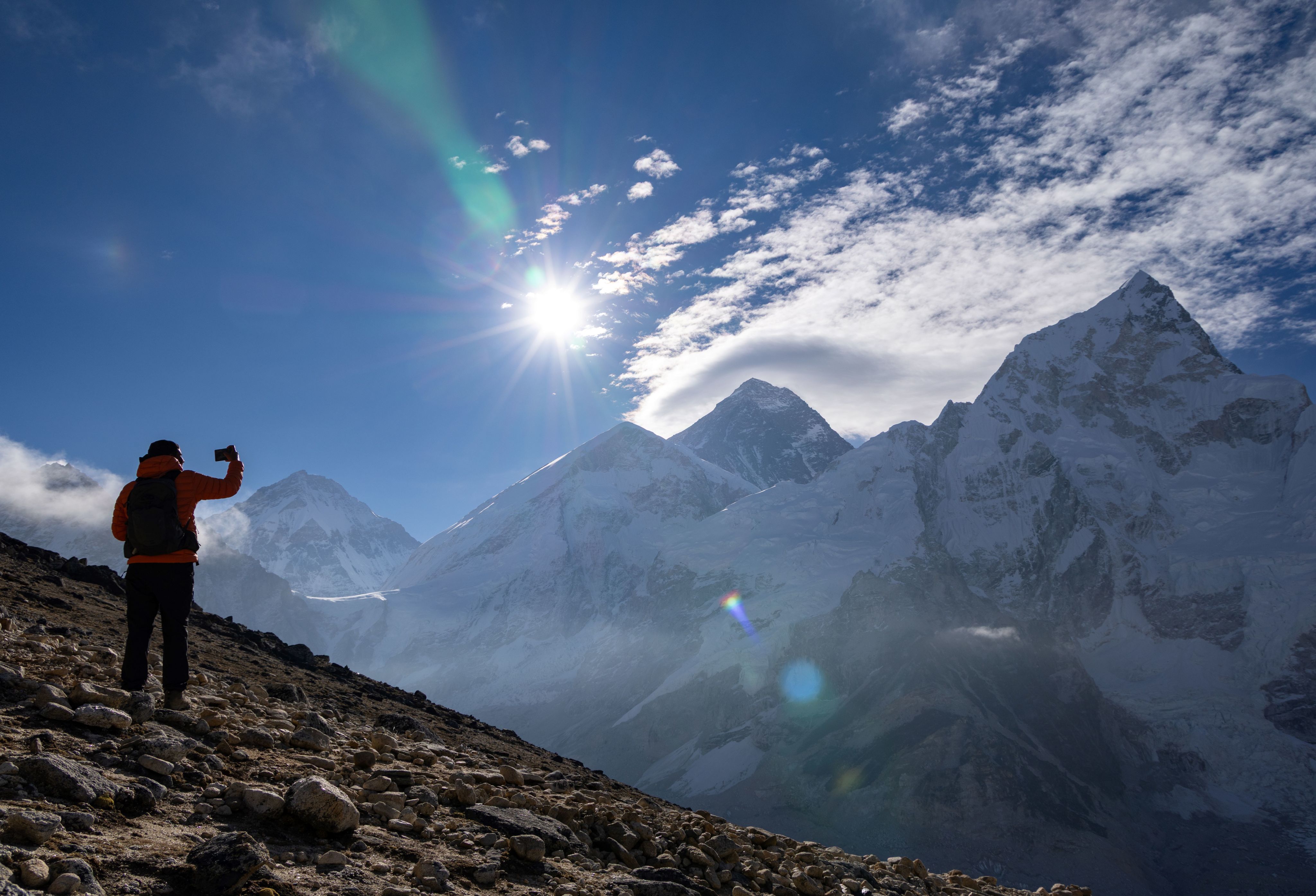
The reward for climbing Kala Patthar is a stunning view of the world's highest peak towering above its Himalayan neighbors.
The reward for climbing Kala Patthar is a stunning view of the world's highest peak towering above its Himalayan neighbors.

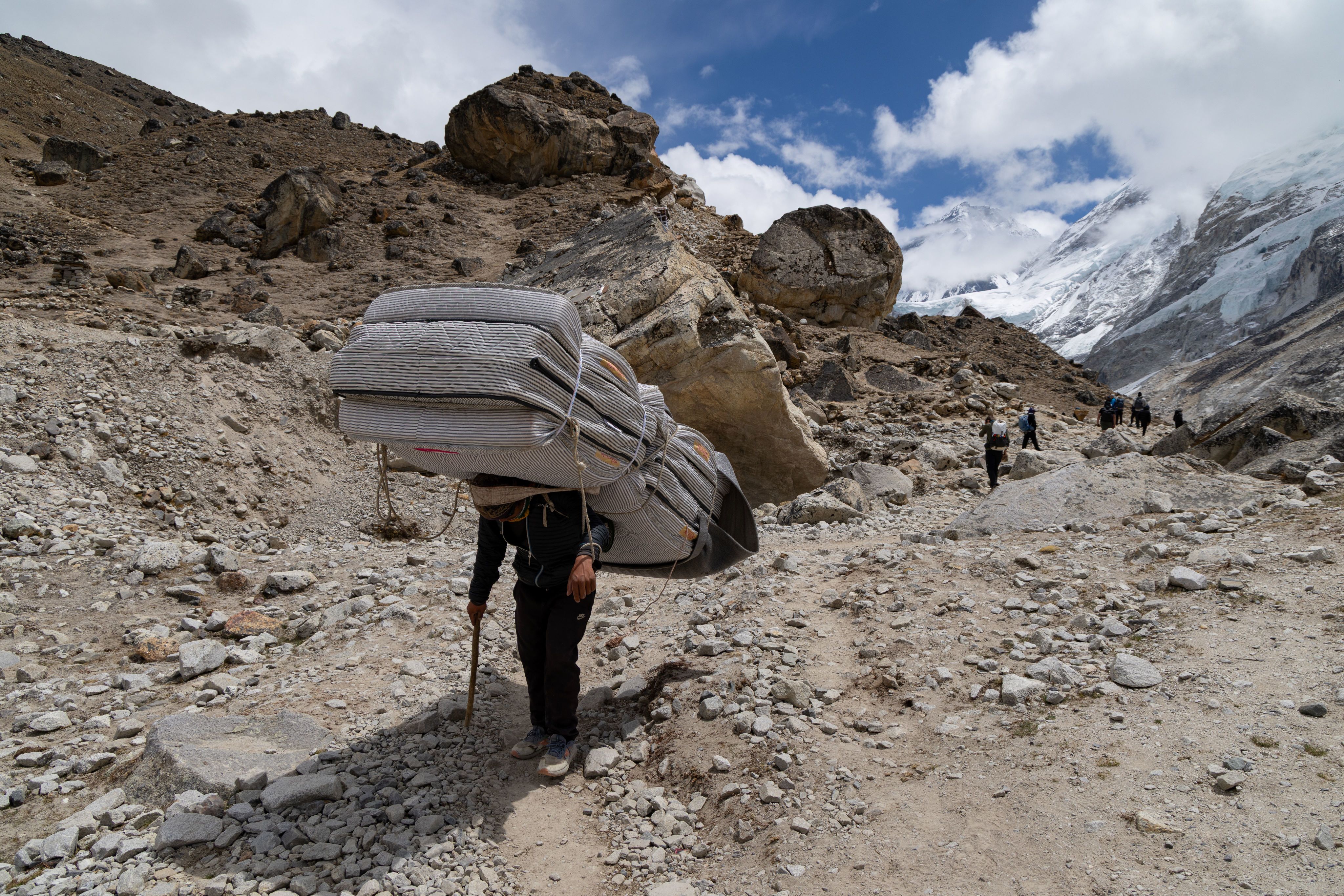
A porter carries a large load from Everest Base Camp as the spring climbing season nears its end.
A porter carries a large load from Everest Base Camp as the spring climbing season nears its end.

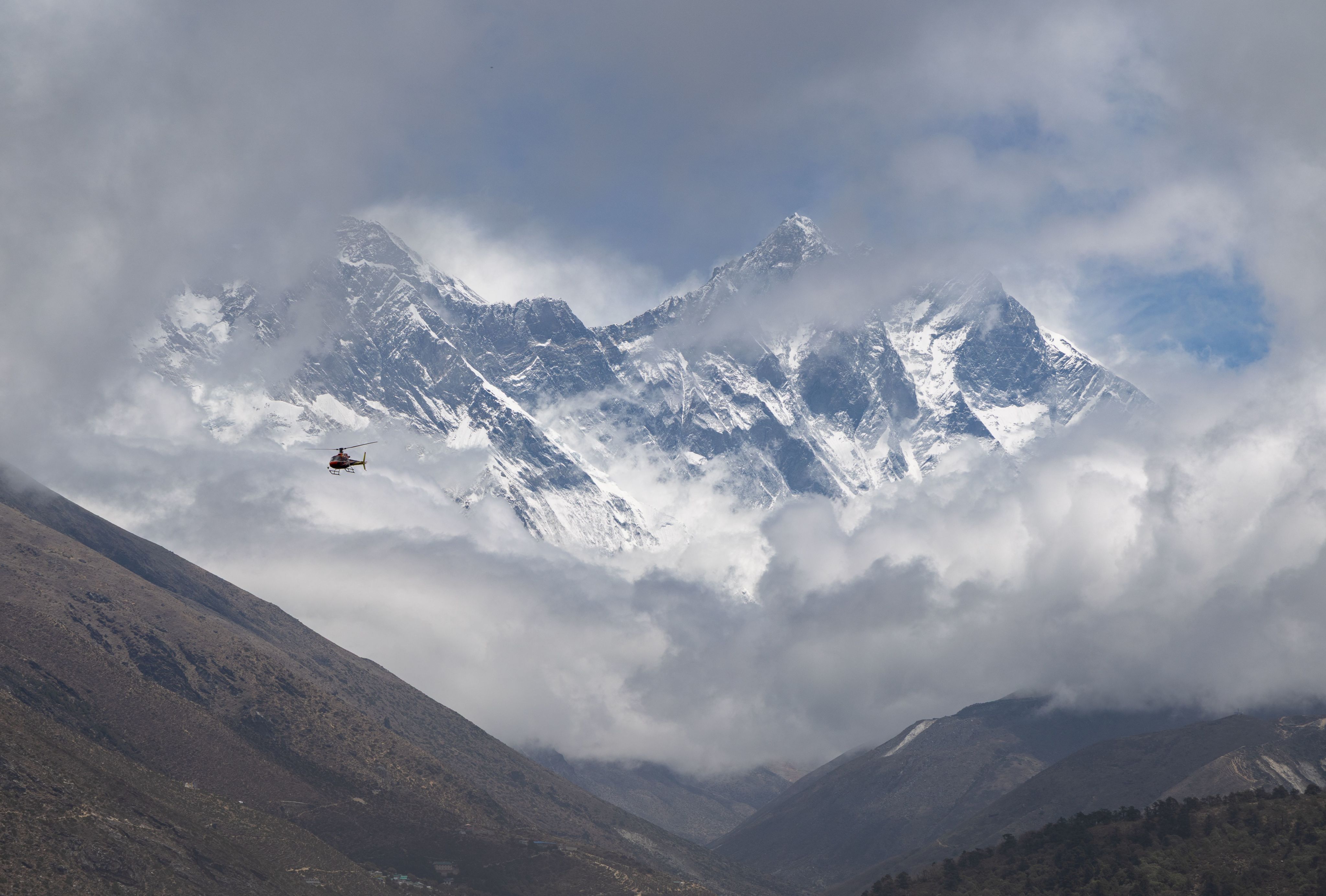
As a helicopter passes, clouds drift in to veil the last glimpse of Everest.
As a helicopter passes, clouds drift in to veil the last glimpse of Everest.