
NIKKEI Film: From a sinking island: The choice of a Tuvaluan Family
Hundreds opt to move to Australia, but at what cost?

FUNAFUTI -- Tuvalu, the tiny Pacific nation, is facing an existential threat. Home to roughly 10,000 people and sitting just two meters above sea level on average, the country -- often called "the first expected to sink" -- is acutely vulnerable to rising seas.
Some projections warn that by 2100, up to 95% of Tuvalu's land could be submerged during high tides. Domestic industries are scarce, and much of the nation's income depends on foreign aid.
But a new framework launched this year could reshape the country's trajectory.
Under the recently signed Falepili Union Treaty between Tuvalu and Australia, Tuvaluans now have a pathway to permanent residency in Australia. In the first year, Canberra has accepted 280 people, and the lottery-selected Tuvaluans have already begun relocating.
Behind the treaty lies a subtle security calculus.
China is expanding its sphere of influence across the South Pacific, reaching out to Tuvalu -- which maintains diplomatic ties with Taiwan -- to establish relations.
The treaty includes a clause requiring Tuvalu to consult Australia before entering into any security agreements with third countries -- a measure widely seen as a counter to China.
In Tuvalu, some worry about a "brain drain" of government workers and young talent vital to keeping the country functioning. In Australia, a housing shortage has become a political flashpoint. Rising anti-immigration sentiments have been fueled by claims that new arrivals are affecting supply and demand.
What drives Tuvaluans to choose to move to Australia? We explore this question by closely following a family preparing to relocate to Australia as they share their hopes and fears, as well as explain the dilemmas they face with their decision.

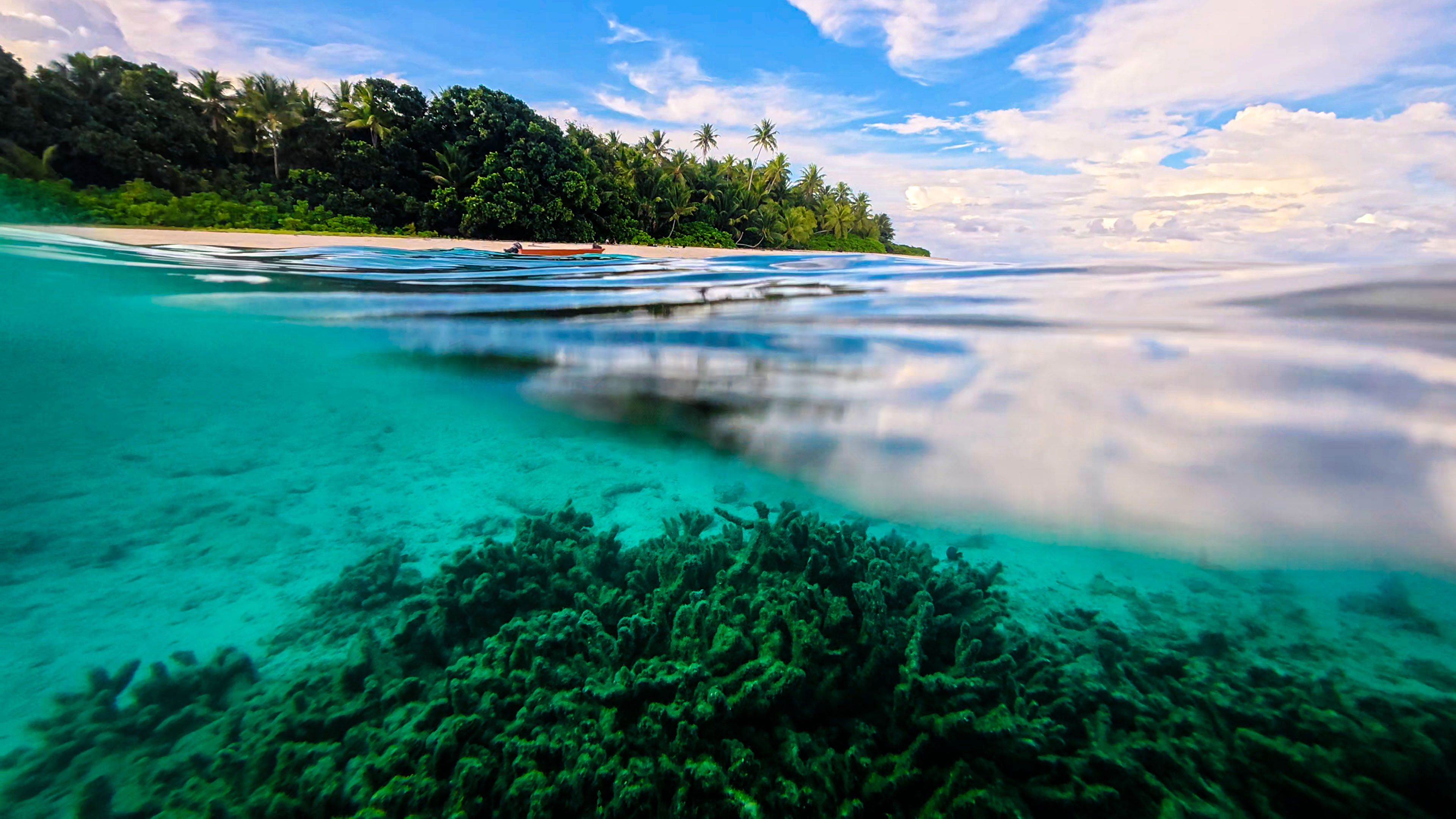
A coral reef can be seen just below the sea surface near Tepuka Island on Oct. 15. (Photo by Ken Kobayashi)
A coral reef can be seen just below the sea surface near Tepuka Island on Oct. 15. (Photo by Ken Kobayashi)
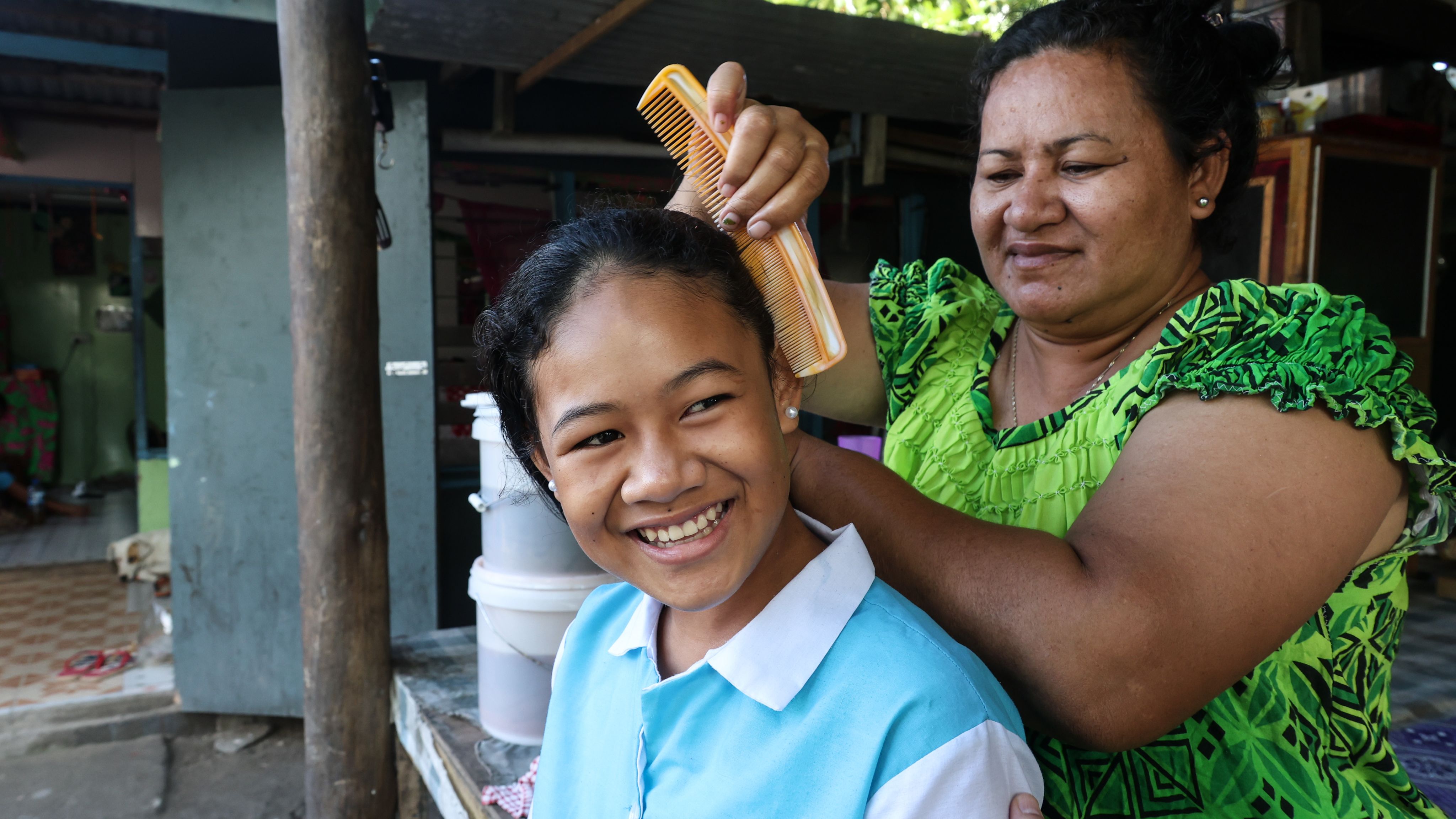
Iakopo’s wife, Maiva, combs the hair of their 12-year-old daughter, Puavasa, before she goes to school on Oct. 14. (Photo by Ken Kobayashi)
Iakopo’s wife, Maiva, combs the hair of their 12-year-old daughter, Puavasa, before she goes to school on Oct. 14. (Photo by Ken Kobayashi)
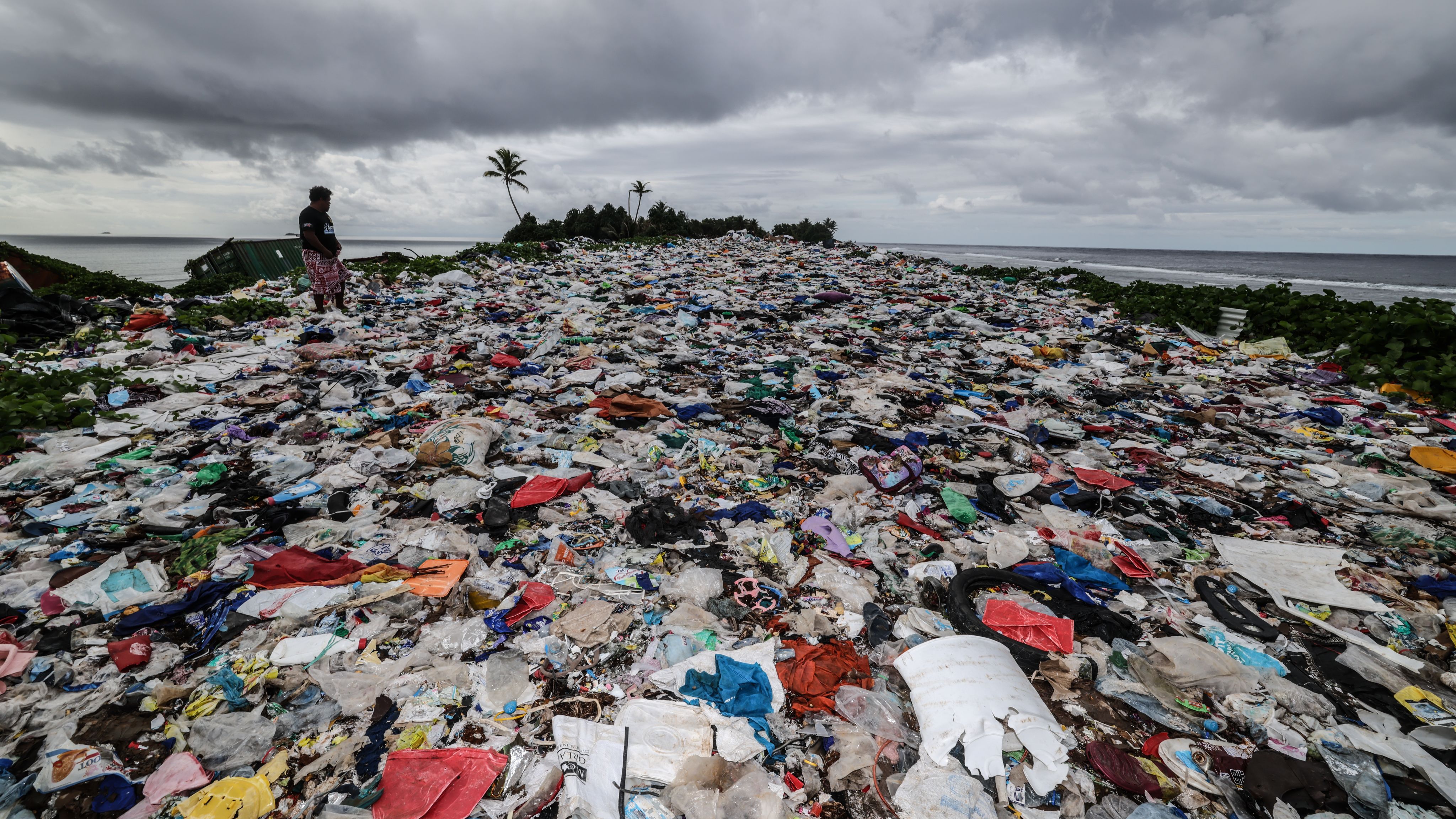
Iakopo stands on a mountain of garbage on Tuvalu’s Funafuti Island, on Oct. 12. Tuvalu faces significant garbage management challenges due to the island country’s limited space. (Photo by Ken Kobayashi)
Iakopo stands on a mountain of garbage on Tuvalu’s Funafuti Island, on Oct. 12. Tuvalu faces significant garbage management challenges due to the island country’s limited space. (Photo by Ken Kobayashi)
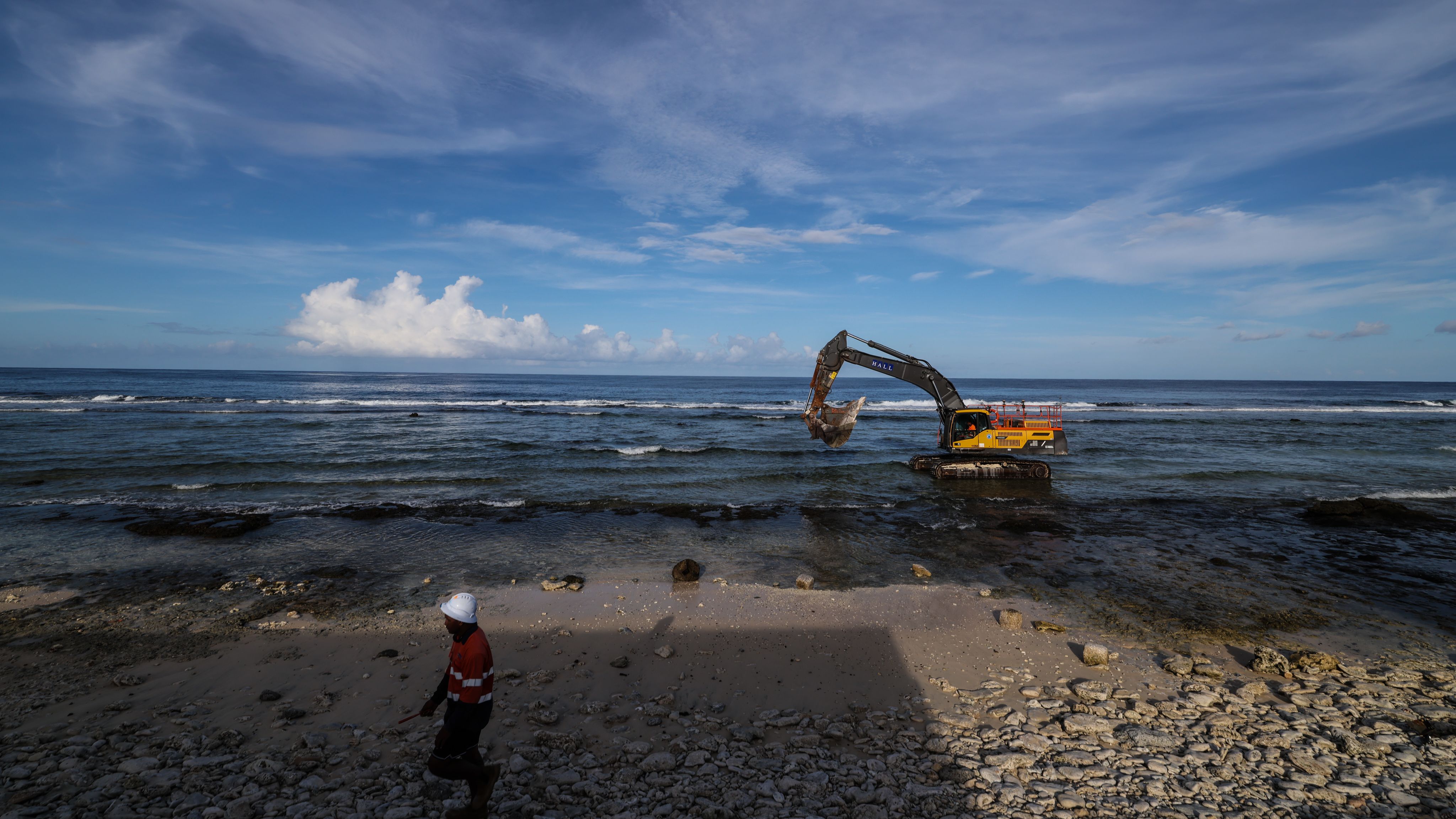
An excavator moves along the shoreline toward a new land reclamation site for the Tuvalu Coastal Adaptation Project (TCAP) on Oct. 13. (Photo by Ken Kobayashi)
An excavator moves along the shoreline toward a new land reclamation site for the Tuvalu Coastal Adaptation Project (TCAP) on Oct. 13. (Photo by Ken Kobayashi)

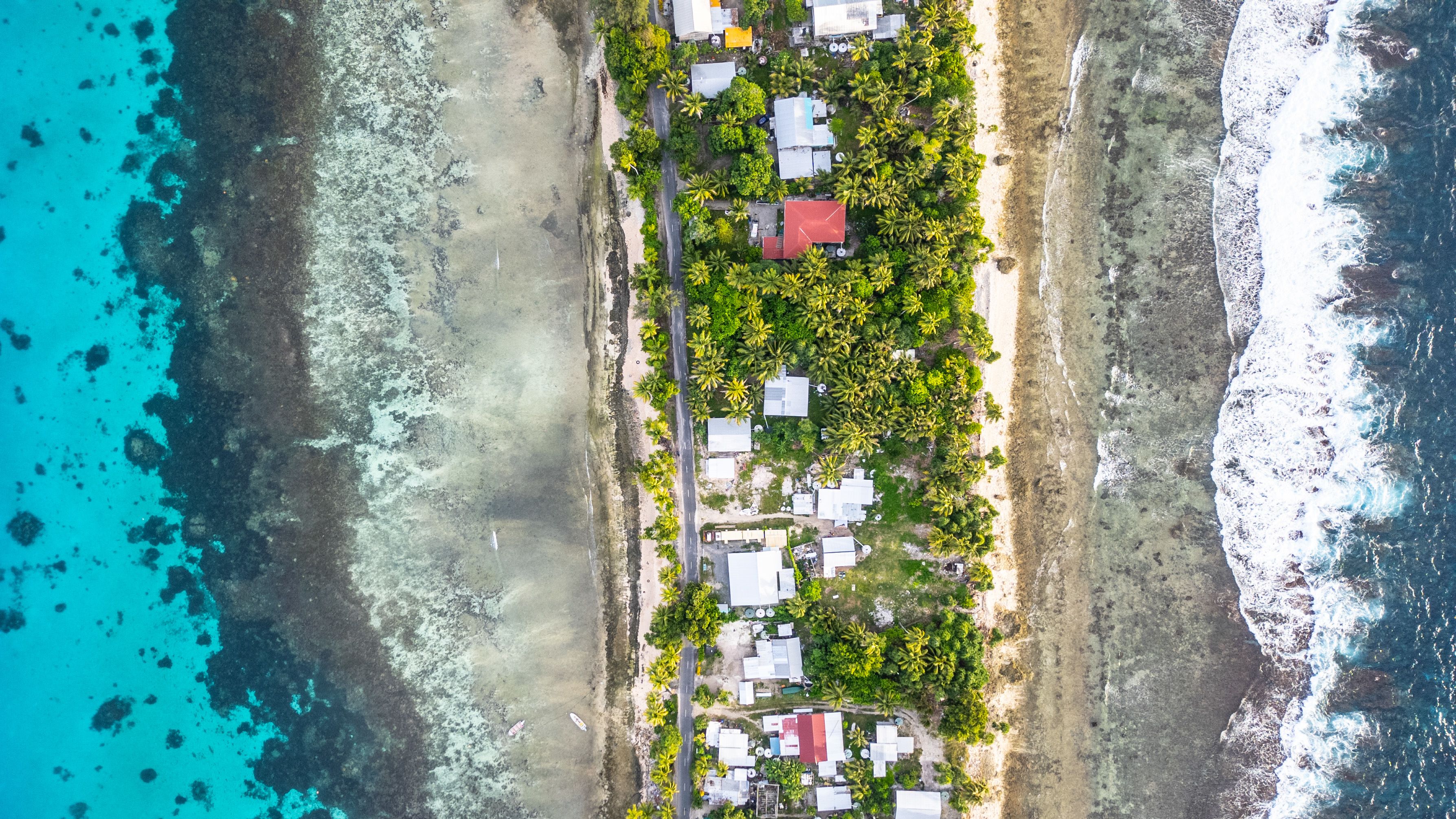
Funafuti Island of Tuvalu is long and narrow, with a width of only about 20 to 400 meters, making it highly vulnerable to flooding as sea levels rise. (Photo by Ken Kobayashi)
Funafuti Island of Tuvalu is long and narrow, with a width of only about 20 to 400 meters, making it highly vulnerable to flooding as sea levels rise. (Photo by Ken Kobayashi)
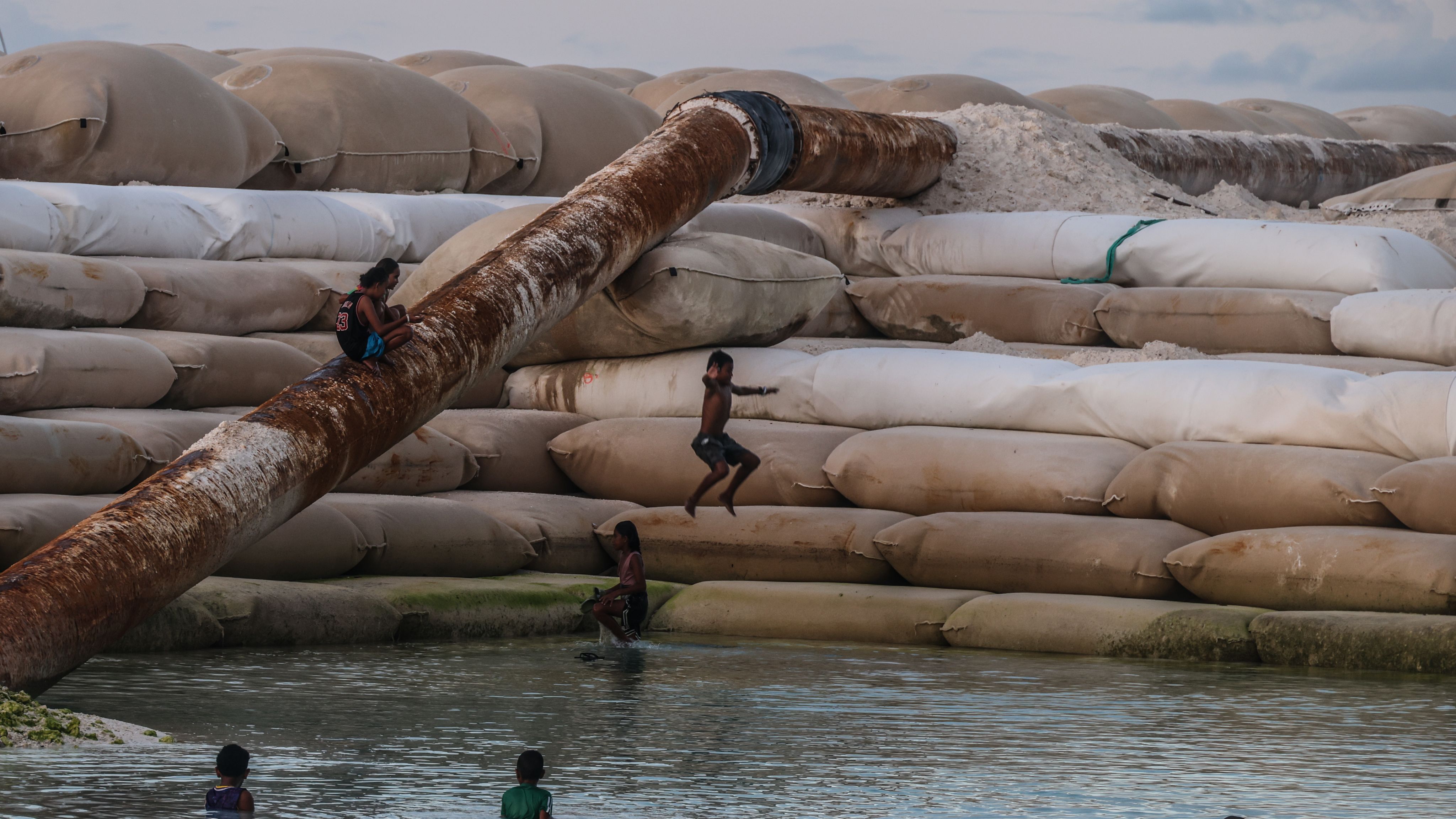
Children jump into the sea next to a Tuvalu Coastal Adaptation Project (TCAP) site that is working to expand the island nation’s land mass. (Photo by Ken Kobayashi)
Children jump into the sea next to a Tuvalu Coastal Adaptation Project (TCAP) site that is working to expand the island nation’s land mass. (Photo by Ken Kobayashi)
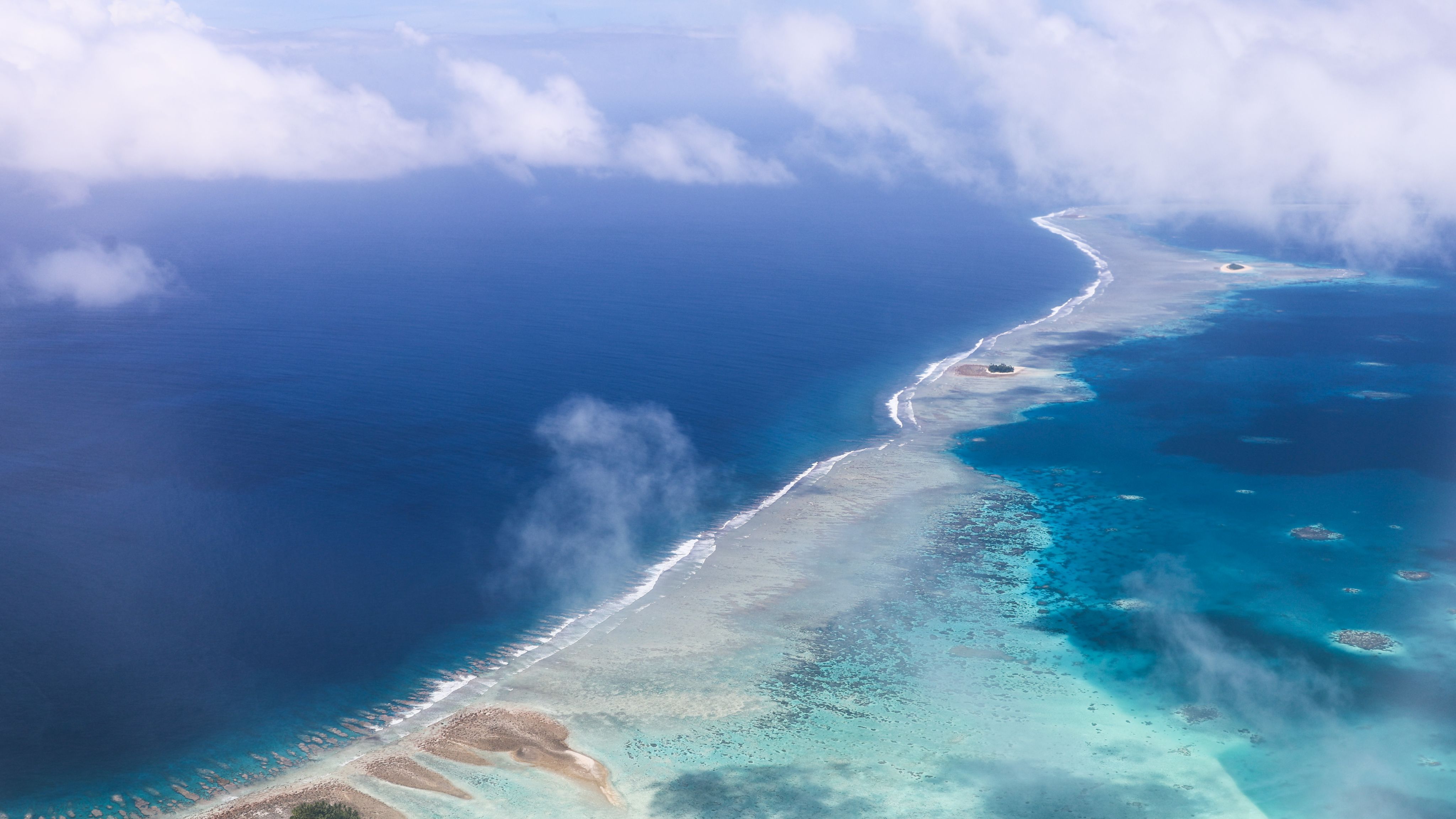
Consisting of nine small islands, much of Tuvalu's 26-square-kilometer surface area sits just 1 or 2 meters above sea level. (Photo by Ken Kobayashi)
Consisting of nine small islands, much of Tuvalu's 26-square-kilometer surface area sits just 1 or 2 meters above sea level. (Photo by Ken Kobayashi)
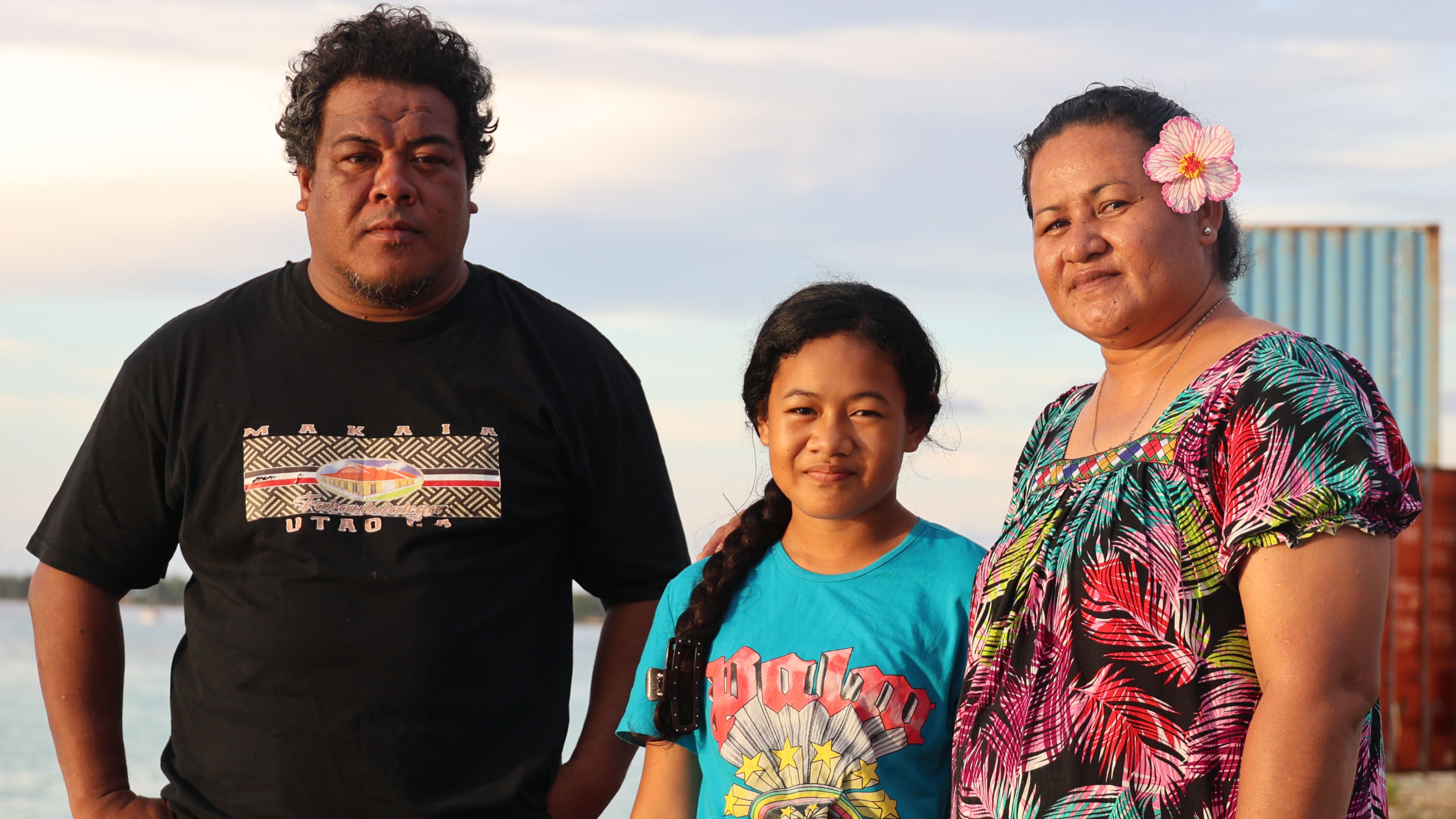
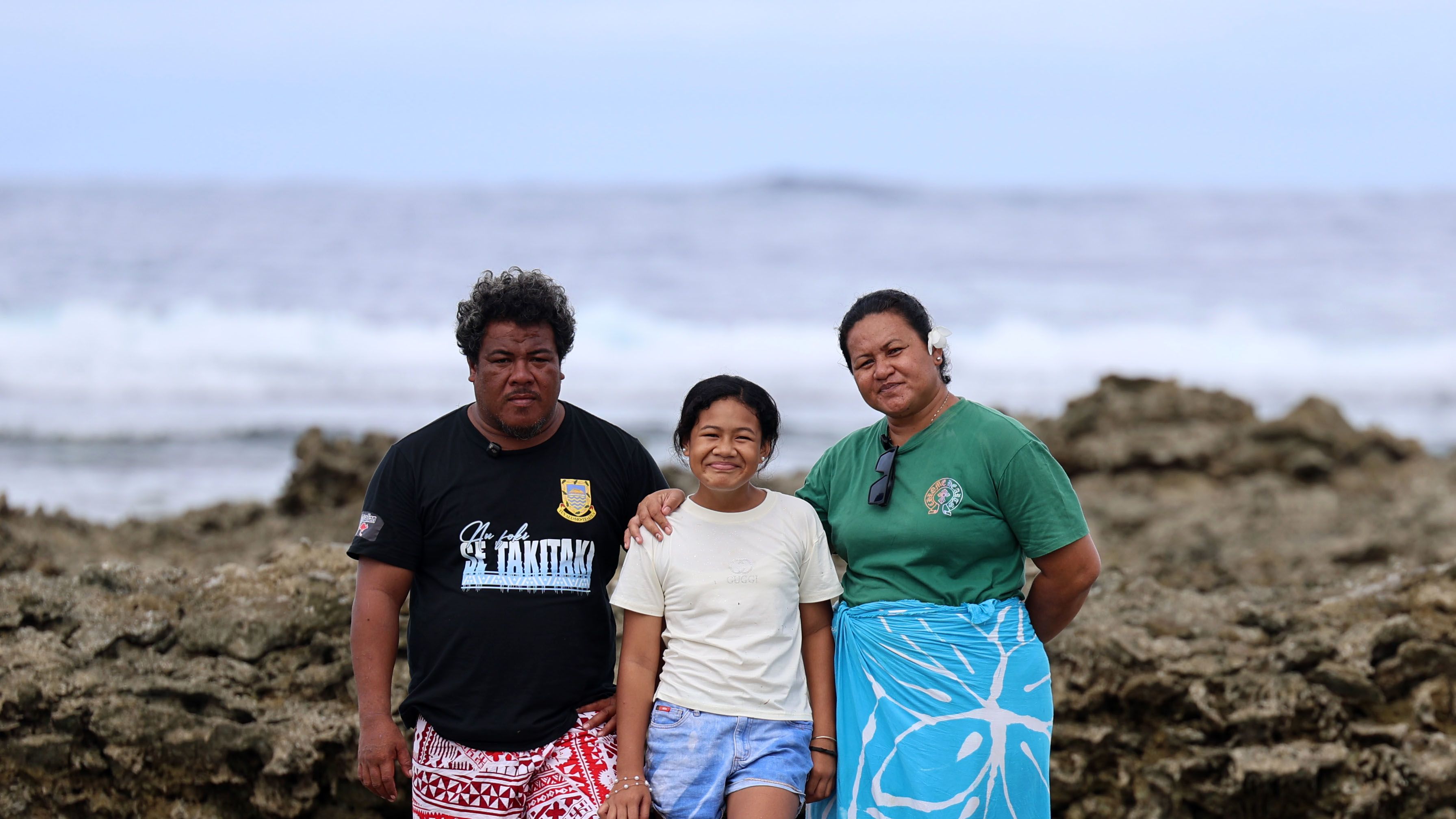
Carrying both hope and unease, Iakopo has decided to move with his wife and daughter to Australia. (Photo by Ken Kobayashi)
Carrying both hope and unease, Iakopo has decided to move with his wife and daughter to Australia. (Photo by Ken Kobayashi)
Reporters: Rurika Imahashi, Sophie Mak
Photographers: Ken Kobayashi, Asanka Brendon Ratnayake
Narration: Makiko Utsuda
Video editor: Jun Koguchi
Editor: Kaori Yuzawa
Copy editor: Brian Chapman
Producers: Noritaka Yada