
Shibuya's grand makeover tests Japan's urban future
At a cost of $13bn, Tokyo’s most complex redevelopment has to balance ambition, affordability and authenticity
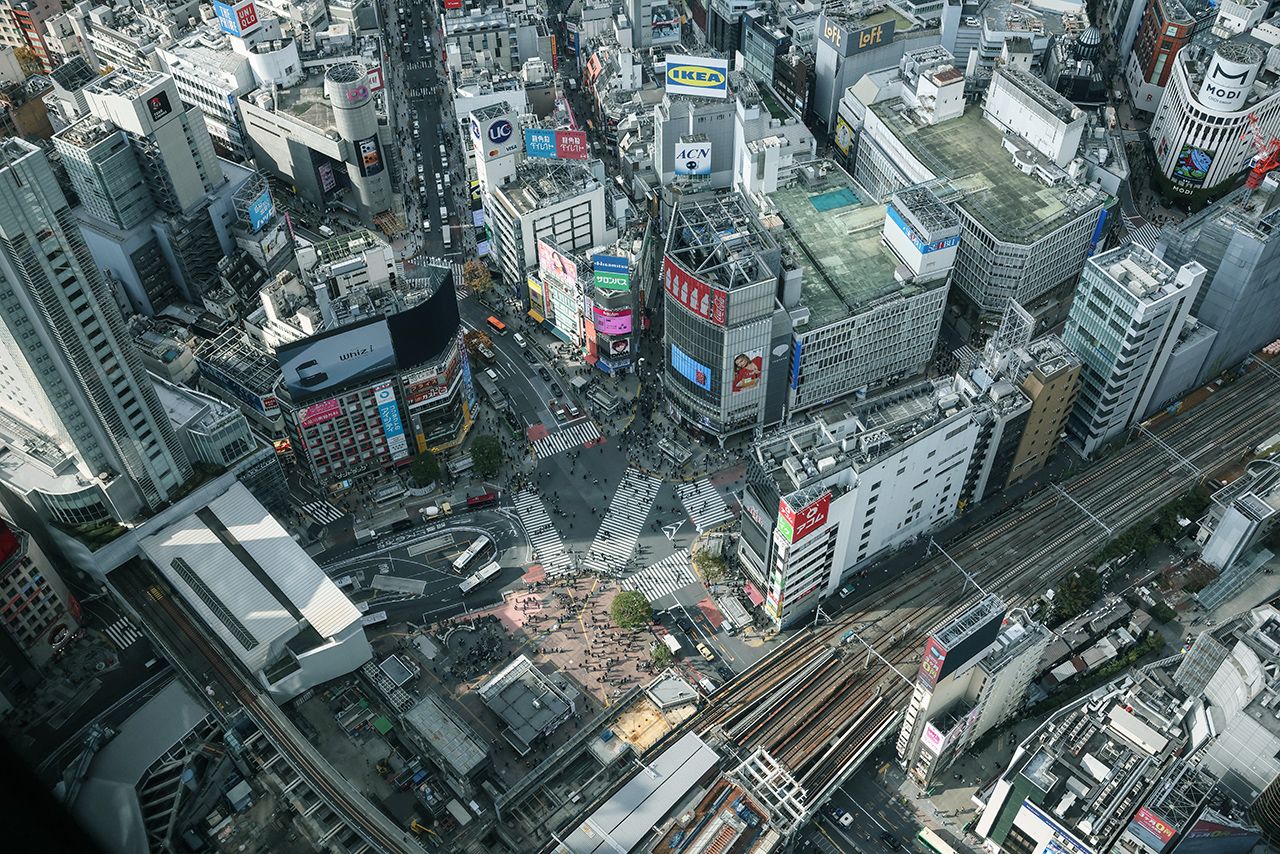

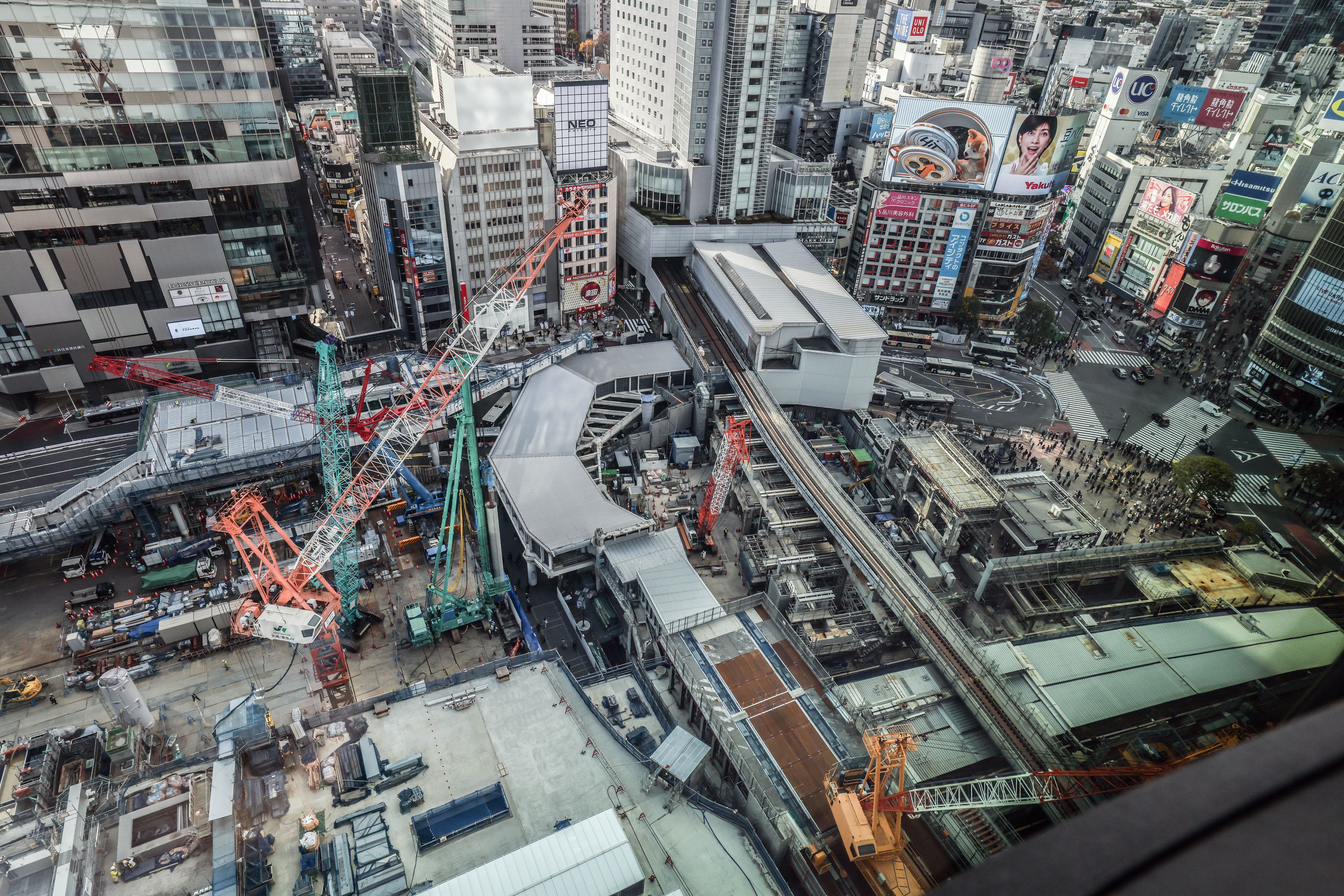
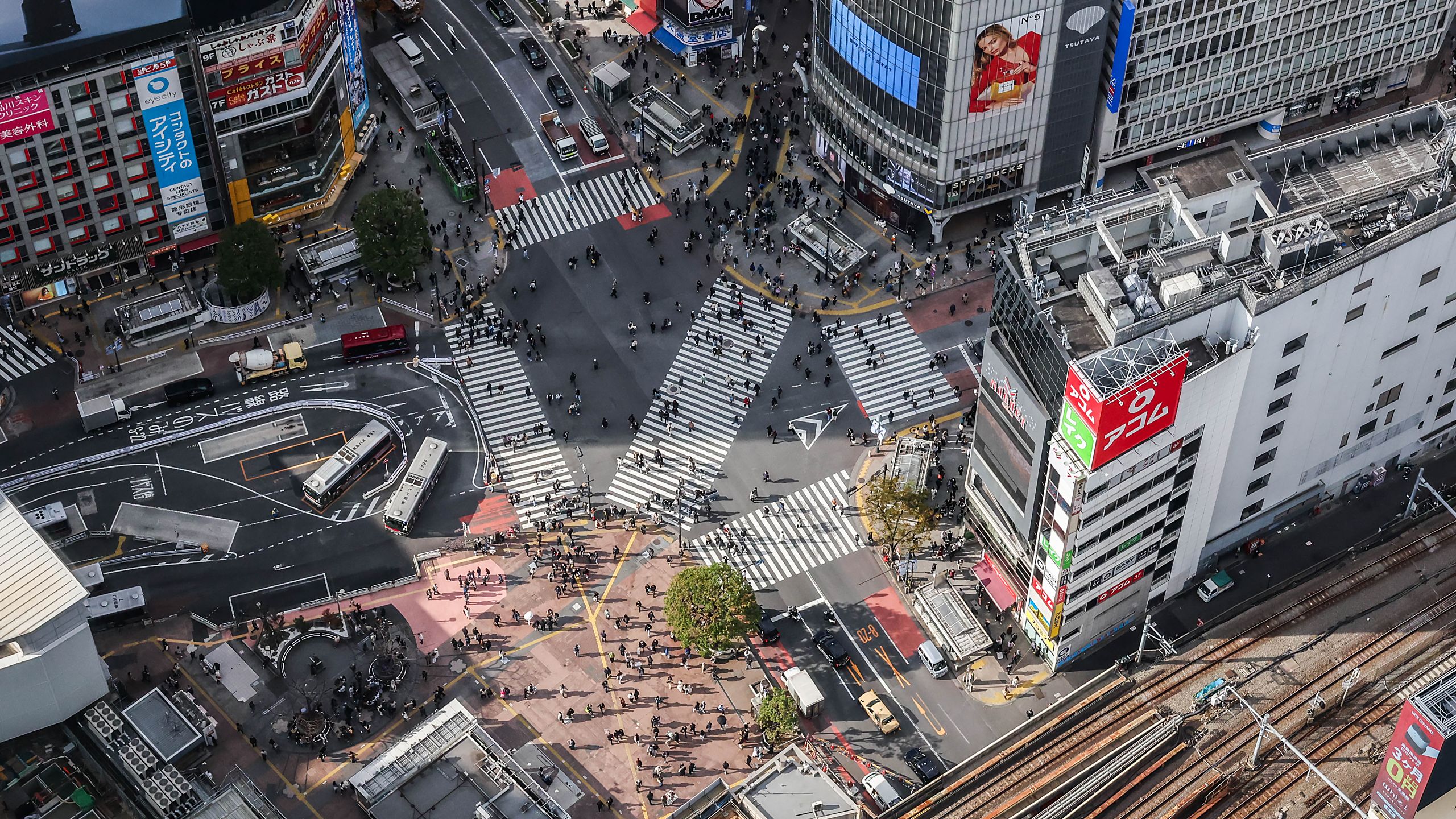
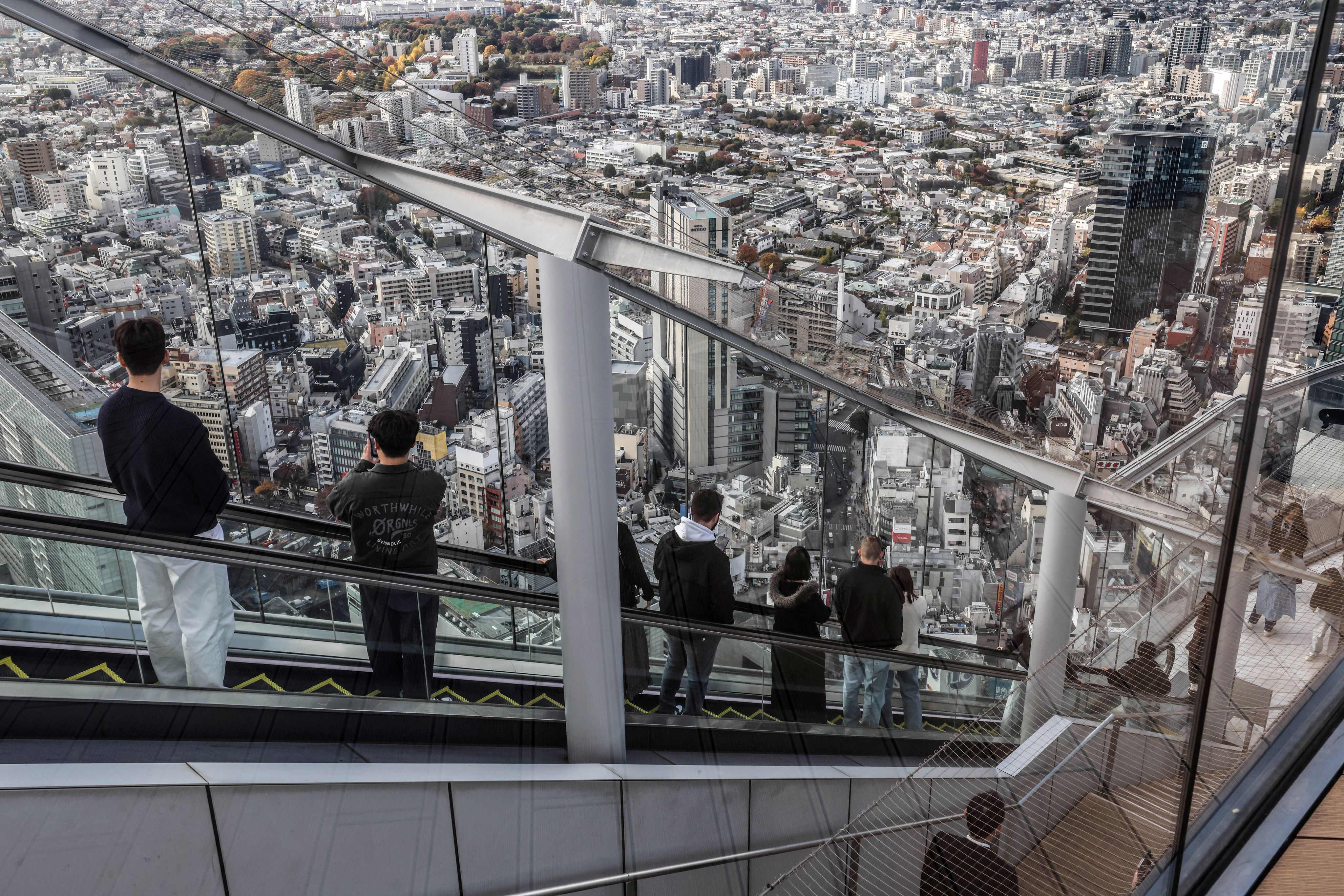
TOKYO – From the roof of the Scramble Square tower rising from Tokyo’s Shibuya Station, the city unfolds as a pulsing valley of motion, commerce and chaos. Some 230 meters below, a sea of people surges across the iconic street crossing traversed by a transfixed Scarlett Johansson in the movie "Lost in Translation," framed by a neon blitz of advertising boards – and a raft of giant cranes building the next phase of the capital’s perpetual self-renewal.
Selfie-snapping tourists seem oblivious to the massive overhaul taking place around them, a redevelopment dubbed by the developers a "once in a century” transition that they say has now entered the final stretch that will take it into its third decade.
Locals are used to it. Katsumi Morimoto, a 60-year-old advertising executive who was in Shibuya for business, grumbles that the construction has made access inconvenient, but accepts it as “growing pains” until “a beautiful district is born.”
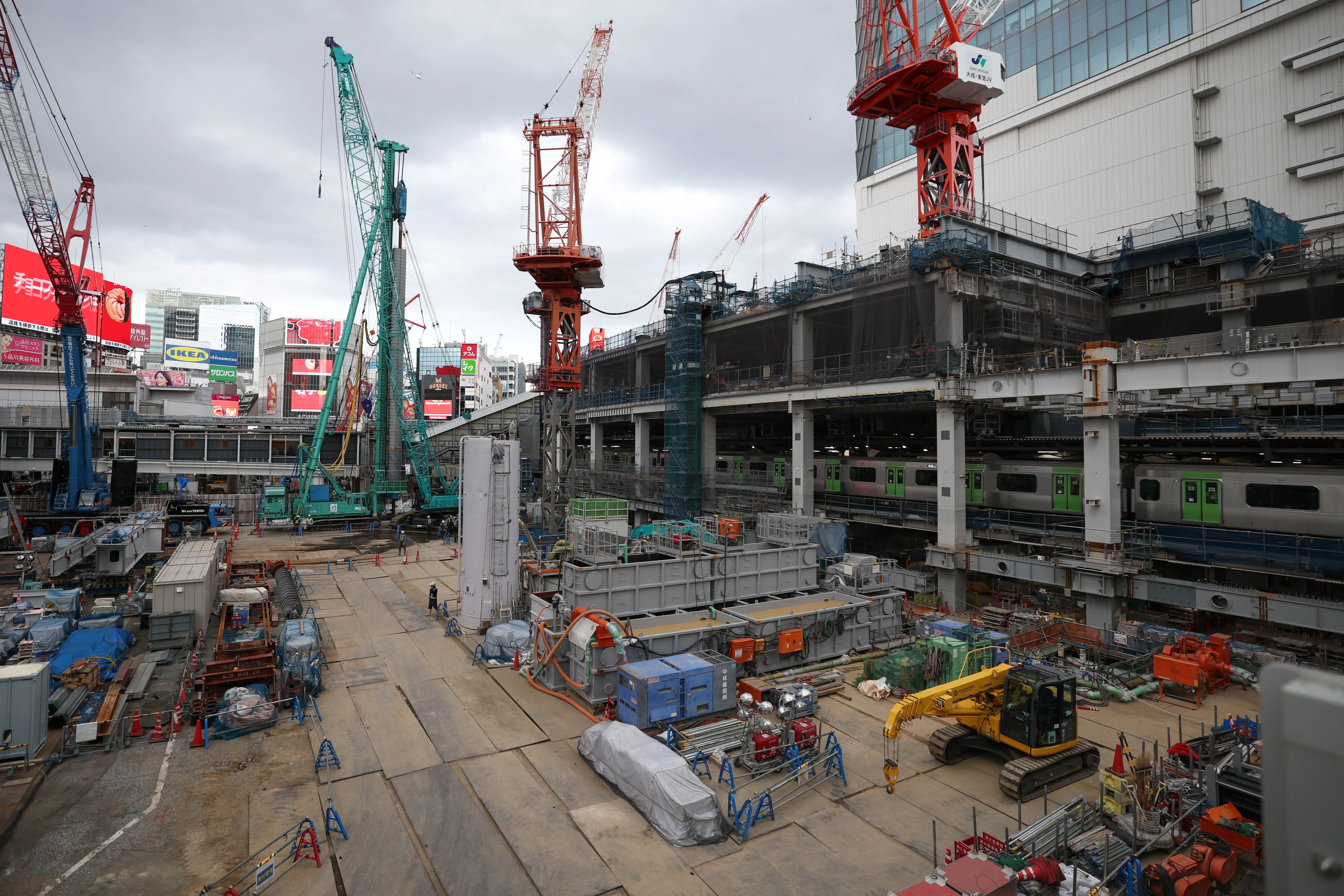
The scale of the redevelopment, whose construction phase began in 2009, is staggering. Tokyu Corp., the multibillion-dollar Shibuya-headquartered conglomerate that is the lead developer alongside rail operator JR East and city subway company Tokyo Metro, has put the total investment at more than 2 trillion yen ($13 billion) – a figure that could still rise.
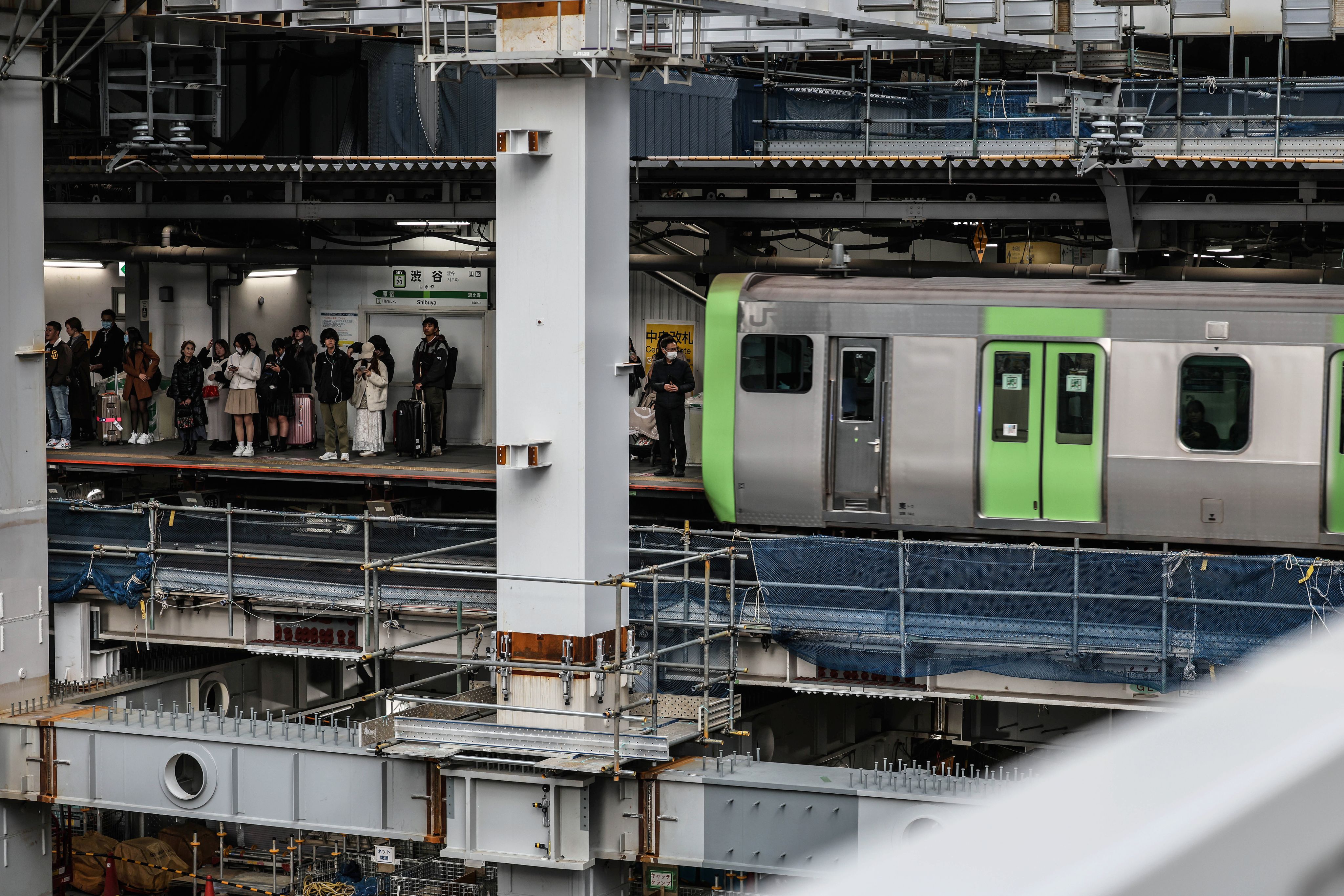
The project’s full completion, once targeted for March 2027, has been delayed to March 2034. It is also one of Tokyo’s most intricate feats of urban engineering: Several train tracks and platforms have been realigned or simply relocated, lock, stock and barrel.
“Shibuya was in trouble. The district had lost its spark — most of the buildings were old and shabby.”
Critics say the project risks damaging the cultural identity of an area that has become known over recent decades as one of Tokyo’s most popular nightlife spots, bringing more office space and main street brands to an area rammed with cafes, restaurants, offbeat stores and late-night bars that attract nearly two-thirds of all foreign tourists who visit Tokyo. But with comparatively few residents in such an urban area – Shibuya’s population doubles during daytime work hours – organized resistance has been rare.
Still, the overhaul offers a microcosm of the limits on how far Japan can push large-scale urban renewal. The redevelopment is taking place in one of the few parts of the country that can sustain it, even as the longer-range prospects for the domestic economy will be hit by its shrinking population, projected to drop from the current 124 million to 87 million by 2070.


“Many developers try to keep people inside their own buildings, but that’s not us,” Yoichiro Sakai, head of the Shibuya development division at Tokyu, told Nikkei Asia. "We want people out in the streets, because the city is interesting. If it isn’t, people won’t come."
Tokyu, a railway, real estate and retail giant worth $7.3 billion by market capitalization, says it aims to make Shibuya a model of diversity and inclusion. “We aim to make Shibuya fun to walk. This network we’re building provides easy access to many places.”
The plan is to transform the area around Shibuya into what Tokyu calls a “walkable city” with an “urban core” that includes an elevated Skyway pedestrian route that connects towers and plazas. The area around the popular statue of Hachiko, a dog who became famous in Japan for waiting at the station for his owner long after the latter passed away, will also be expanded – although no decision has been made on relocating the loyal hound.
For context, the $13 billion budget – as it stands – is below the up to $25 billion being spent on redeveloping the Hudson Yards area on the west side of Manhattan in New York, a project that broke ground in 2012 and is expected to be completed in 2027. At the other end of the scale, the cost of the Shibuya overhaul is nearly 10 times that of building the upscale Todtown mixed-use development in Shanghai’s suburbs, an eight-year project.






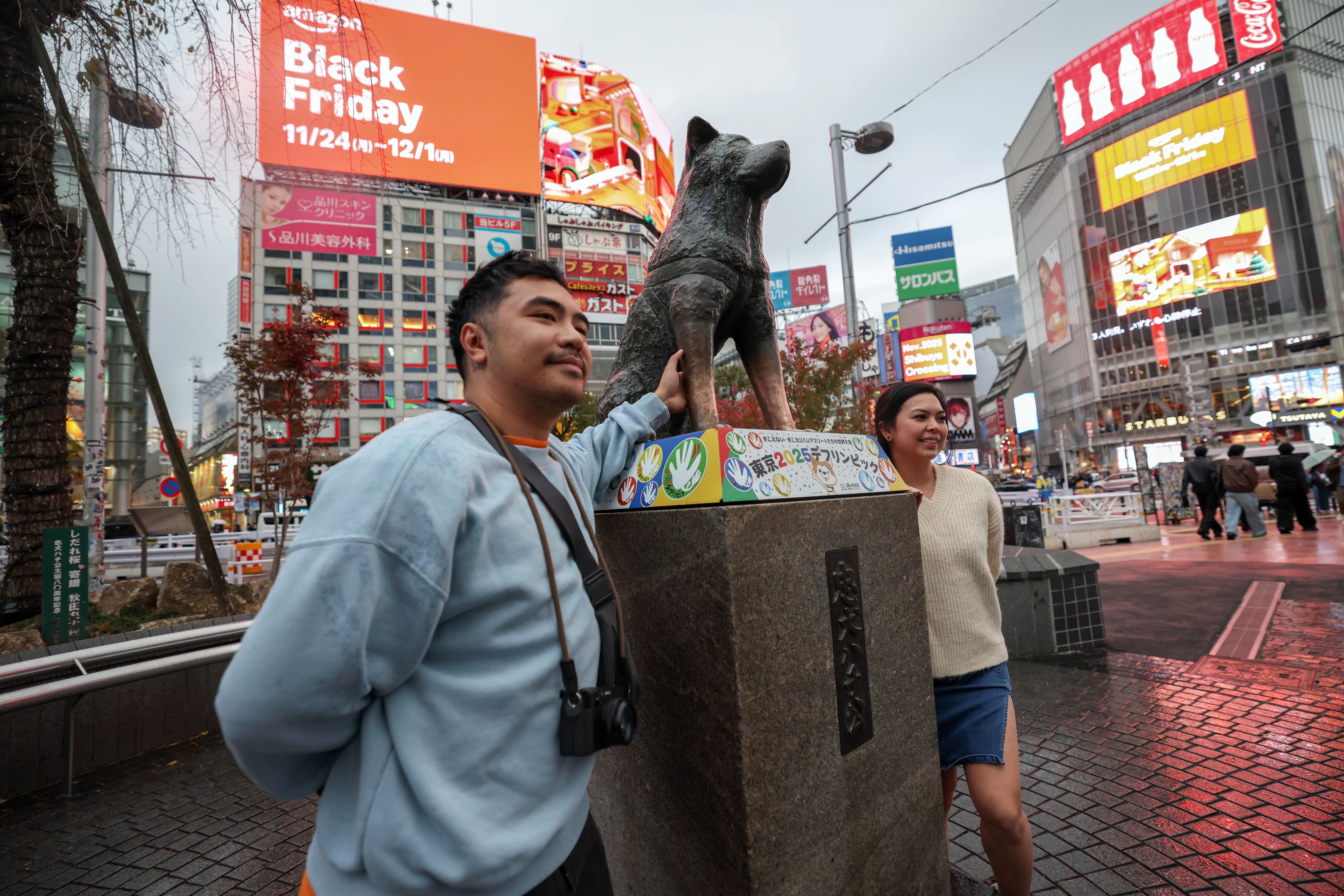
SHIBUYA BY THE NUMBERS
2 trillion yen
The estimated cost of the whole development
11
Number of projects Tokyu is involved in around Shibuya station
9
Number of train lines running through Shibuya station
23,000
Approximate number of people who cross Shibuya scramble in a peak afternoon hour
540,000
Daytime population of Shibuya Ward (more than double the population)
67.1%
Percentage of overseas visitors to Tokyo who go to Shibuya
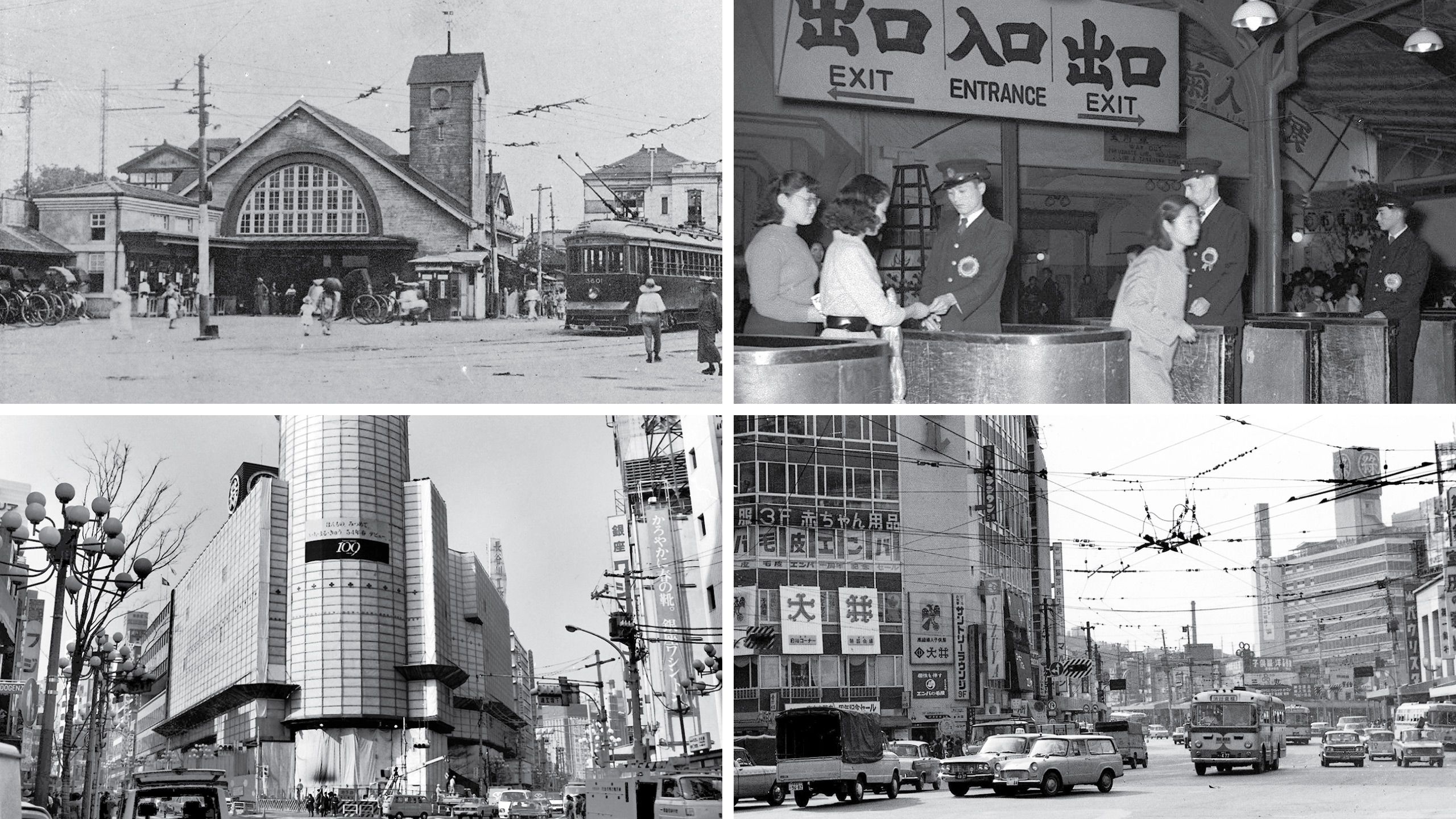
Named after the clan that owned the area in the 12th century, Shibuya is no stranger to reinvention. Originally a farming village set in a valley, it grew rapidly after its station opened in 1885 and Japan’s rail network expanded in the pre-World War II era.
Wartime fire-bombing left it in ruins, but transport upgrades ahead of the 1964 Olympics helped transform the area into a mecca for youth and subcultures. By the mid-1990s, it had even given its name to a pop music genre, fusing 1960s, jazz, lounge and soul influences into Shibuya-kei. Today, it teems with foreign tourists and is home to tech giant Google, Japanese e-commerce services provider DeNA and thousands of startups.
Yet step away from the gleaming towers and Shibuya becomes a maze of streets where global chains sit side by side with karaoke parlors, small rock gig venues and love hotels.
Shibuya Project
How the station area will look on completion.
Scramble Crossing
The crossing will be kept and connected to an expanded square in front of the station.
Scramble Square
The tallest building in the development opened in 2019.
Shibuya Stream
Google’s Japan headquarters are located in this tower.
Sakura Stage
This multibuilding, multizone complex was completed in 2023.
(Artist's rendering courtesy of Tokyu Corp.)
The seed for Shibuya’s rebirth was planted in the 1970s in a conversation between Shigeru Morichi, head of the coordination council for the development, and a professor friend.
“Shibuya had no top-tier companies, maybe one decent hotel. It was just tiny buildings. The idea was to make it a proper city,” said Morichi, professor emeritus at the National Graduate Institute for Policy Studies.
The trend toward ever-larger developments in Tokyo started to gain momentum after a law was enacted in 2002 that accelerated redevelopment in urban centers deemed strategically important, and relaxed regulations on zoning, floor-area ratio and building codes.
Tokyo has seen a rapid surge of large-scale developments in recent years, from Azabudai Hills to Takanawa Gateway City, and around Shinjuku station – the world’s busiest transit hub – a sweeping overhaul is racing ahead.


But the turning point for Shibuya came from an engineering decision in the early 2000s that led to Tokyu’s Toyoko Line being moved underground to connect with subway operator Tokyo Metro’s Fukutoshin Line in 2013, freeing up space for building work.
Shibuya officials endorse Tokyu’s vision but also stress the need to boost disaster prevention measures.
“We're trying to improve the city’s infrastructure so people can explore Shibuya more safely and peacefully,” said Ken Hasebe, Shibuya mayor since 2015. To prevent flooding in the lower ground where the station sits, the plan includes two underground tanks, each able to store 4,000 tonnes of rainwater – roughly the size of 1.6 Olympic pools.

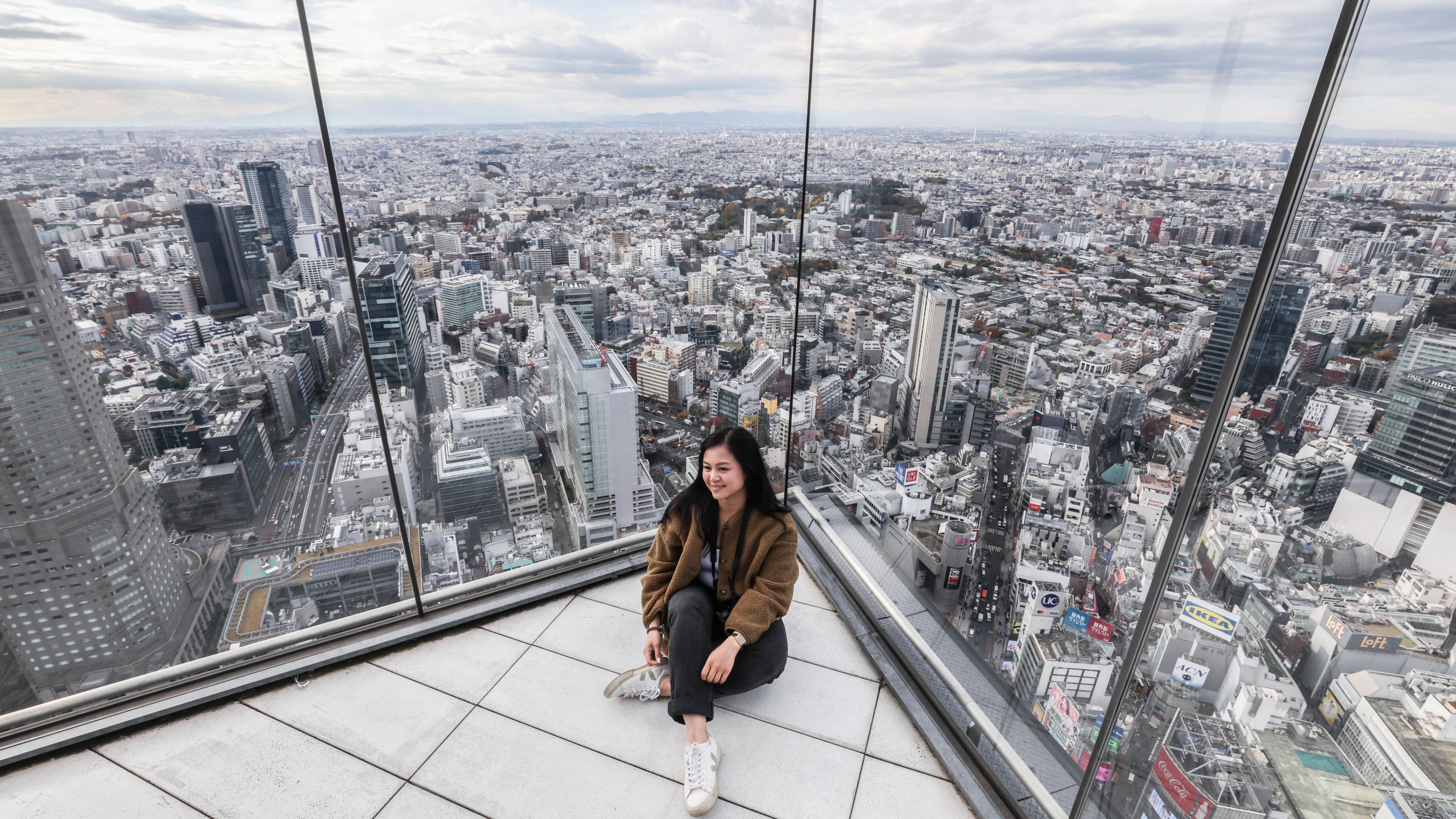
Shibuya and beyond stretch out in the view from the top of the Shibuya Scramble Square tower. (Photo by Yuki Kohara)
Shibuya and beyond stretch out in the view from the top of the Shibuya Scramble Square tower. (Photo by Yuki Kohara)
The project’s design was led by Hiroshi Naito, the architect behind major redevelopments in the cities of Sapporo and Nagoya, and now also Tokyo’s Shinjuku district. Naito says the biggest challenges were Shibuya’s valley-like terrain, the complexity of a station where nine rail lines intersect, and a mission to preserve the district’s youthful energy.
“Shibuya was in trouble. The district had lost its spark – most of the buildings were old and shabby,” Naito said. “Across Tokyo, the dominant model was to build super-tall towers, but doing that in Shibuya would have been a mistake. Local (Tokyo) people carry a kind of DNA – memories of what the place is – and we tried to reflect that.” Though it stands 230 meters tall, Shibuya Scramble Square is only the 17th-tallest skyscraper in Tokyo.
Realizing that vision ultimately hinged on years of complex engineering and coordination.
Even before the eight-year project to put Tokyu’s Toyoko Line underground was completed in 2013, Tokyo Metro had started to move its Ginza Line terminal at Shibuya.
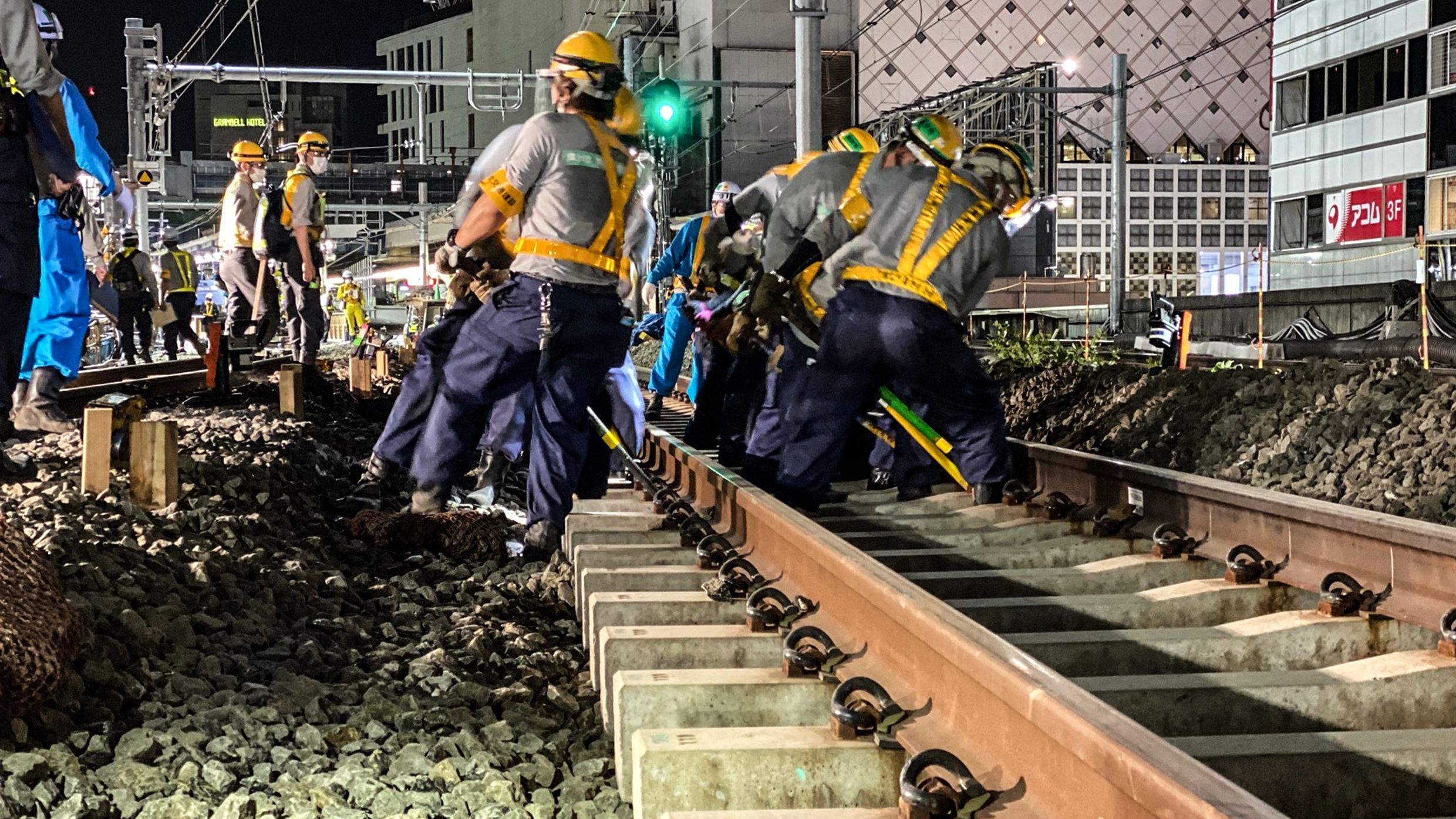
Workers toil during the night to shift a section of rail track. (Photo courtesy of JR East)
Workers toil during the night to shift a section of rail track. (Photo courtesy of JR East)
Work to shift the Ginza Line station 130 meters from its original spot began in 2010, and was carried out only overnight after trains stopped running. The project took a decade, with the new station finally opening in January 2020. During the busiest periods, as many as 200 people were employed to work on the job at the same time.
“The physical constraints, time limits and multiple simultaneous redevelopment projects made it much more difficult than building a new line,” said Ai Fujinuma, who led the engineering work for Tokyo Metro.
Kenji Ishisaka, responsible for terminal station improvements around Tokyo at JR East, told Nikkei Asia that shifting train lines was a “massive undertaking.” Between 2014 and May 2020, the company conducted four major track switches, each mobilizing thousands of workers to physically shift sections of the line. Incredibly, the Yamanote line – a major artery that traces a ring round central Tokyo – was halted on only three weekends.

The sheer effort on the ground is matched by the financial scale of the project. While Tokyu estimates the entire cost will be more than 2 trillion yen (up four times what Morichi of the National Graduate Institute for Policy Studies said was the initial figure), the three main developers declined to state what proportion of the investment they were making.
The figure could yet rise.
“The cost of construction materials is soaring right now, and there are other challenges that we need to address. So we are trying to be creative in how and what we invest in, and what we build,” Shibuya Mayor Hasebe said.
Those pressures have fed directly into delays. The pushing back by seven years of the completion date comes amid the unprecedented complexity of the project, the need to keep the trains running, some cost-sharing disputes and a shortage of skilled workers.
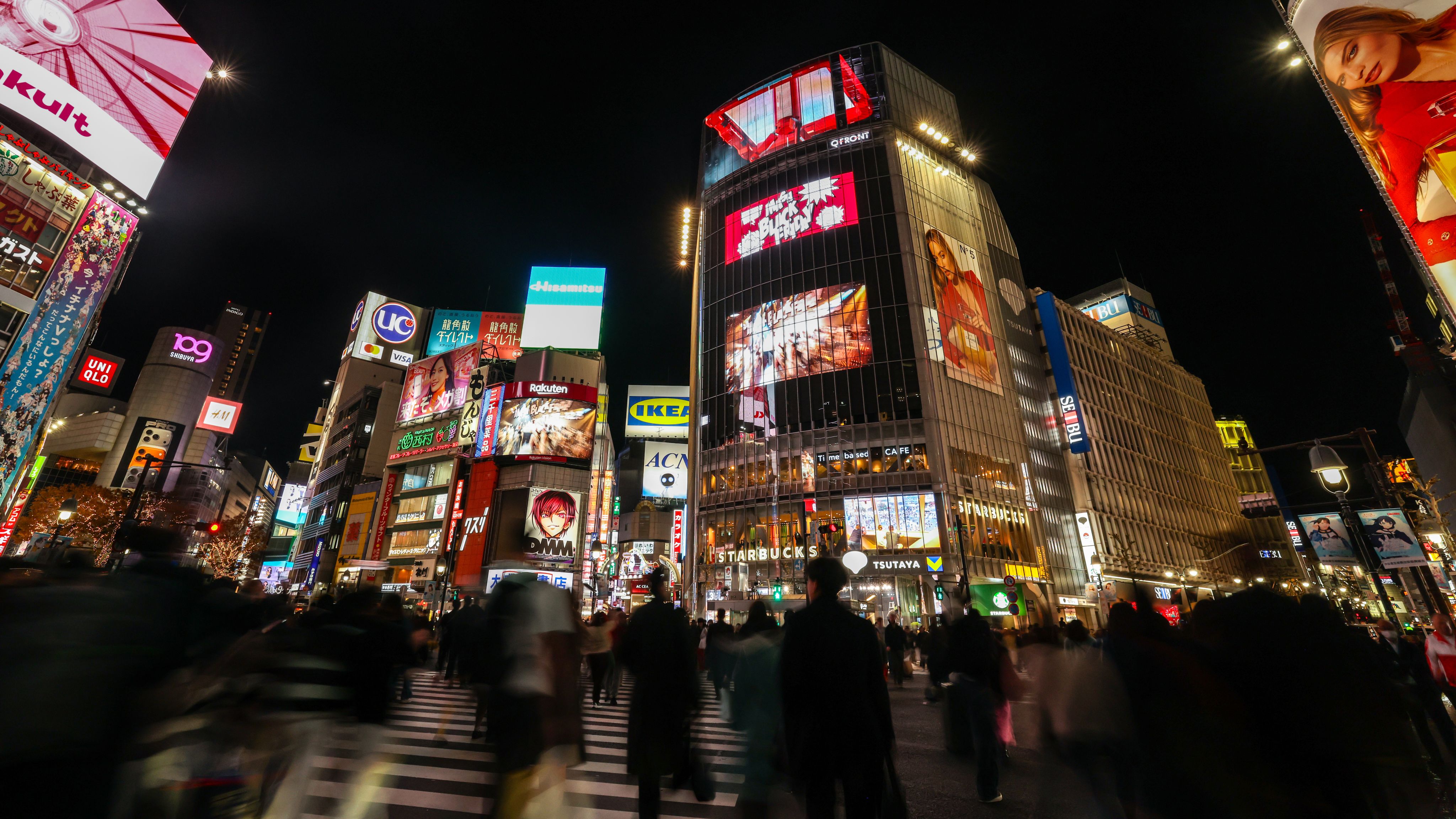
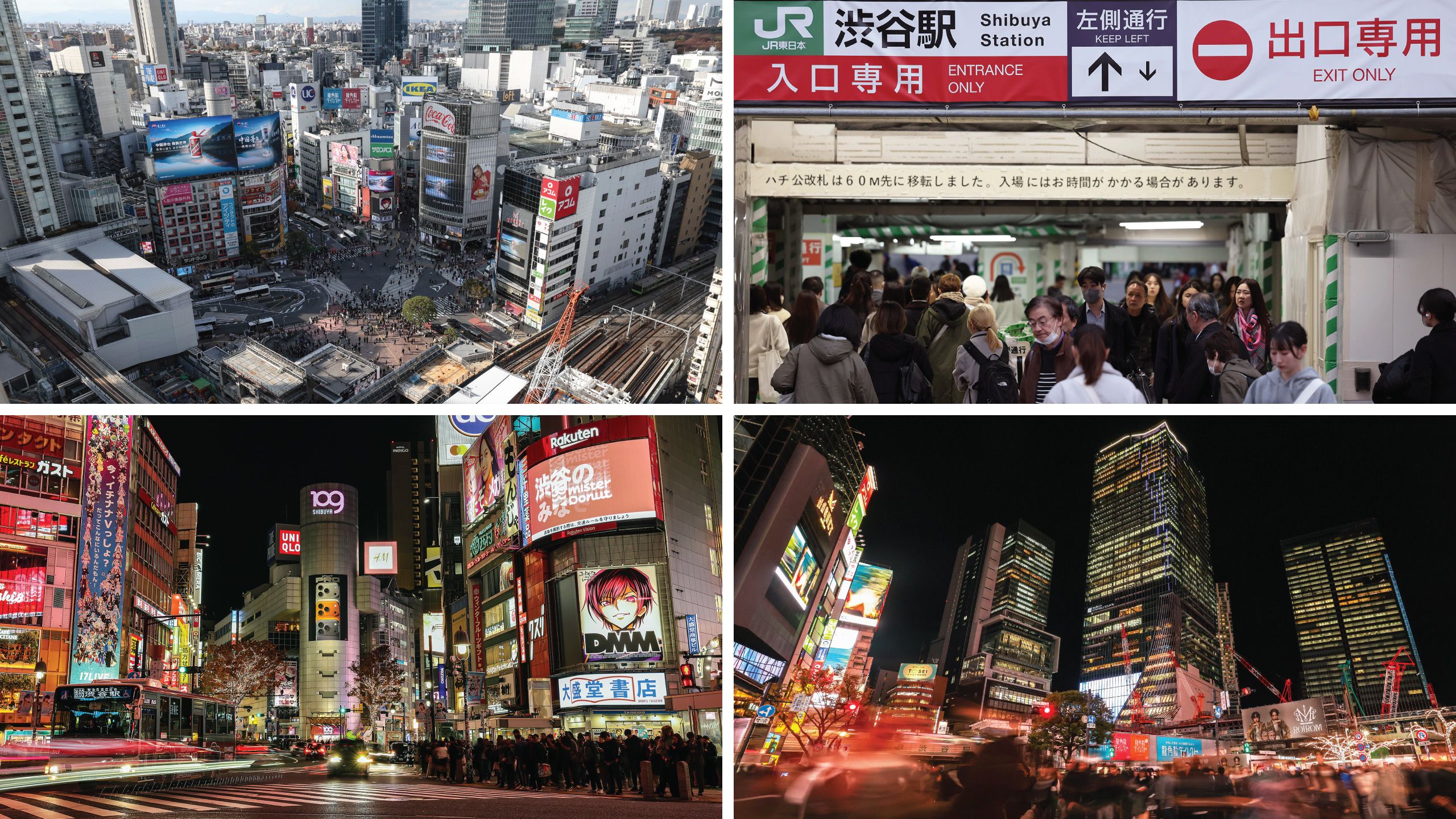
Shibuya Scramble by night: The area's restaurants, cafes and bars attract thousands after dark. (Photo by Yuki Kohara)
Shibuya Scramble by night: The area's restaurants, cafes and bars attract thousands after dark. (Photo by Yuki Kohara)
While Tokyu, JR East and Tokyo Metro insist the work will be finished by March 2034, Naito, the lead architect, puts the date of completion at around 2045. Yet despite the extended timeline, opposition to the Shibuya plans has been weak, mainly because few people live near the station, said Masami Ushio, a Japanese Communist Party member of the Shibuya City Assembly and a critic of the Tokyu project.
“The redevelopment plans were made with the assumption of perpetual economic growth, but at some point, we need to hit the brakes,” Ushio said.
Jorge Almazan, a Tokyo-based architect and associate professor at Keio University, said Shibuya exemplifies a type of development driven largely by real estate interests – “projects that seek to capture capital gains from land values created organically over decades of urban diversity and appeal.”
“Replacing a large area of a thriving district with a monoculture of franchise shopping and luxury offices might secure enormous short-term capital gains for the landowners, but in the long-term, it depletes the very source of value the development tried to co-opt in the first place,” said Almazan, author of “Emergent Tokyo -- Designing the Spontaneous City.”

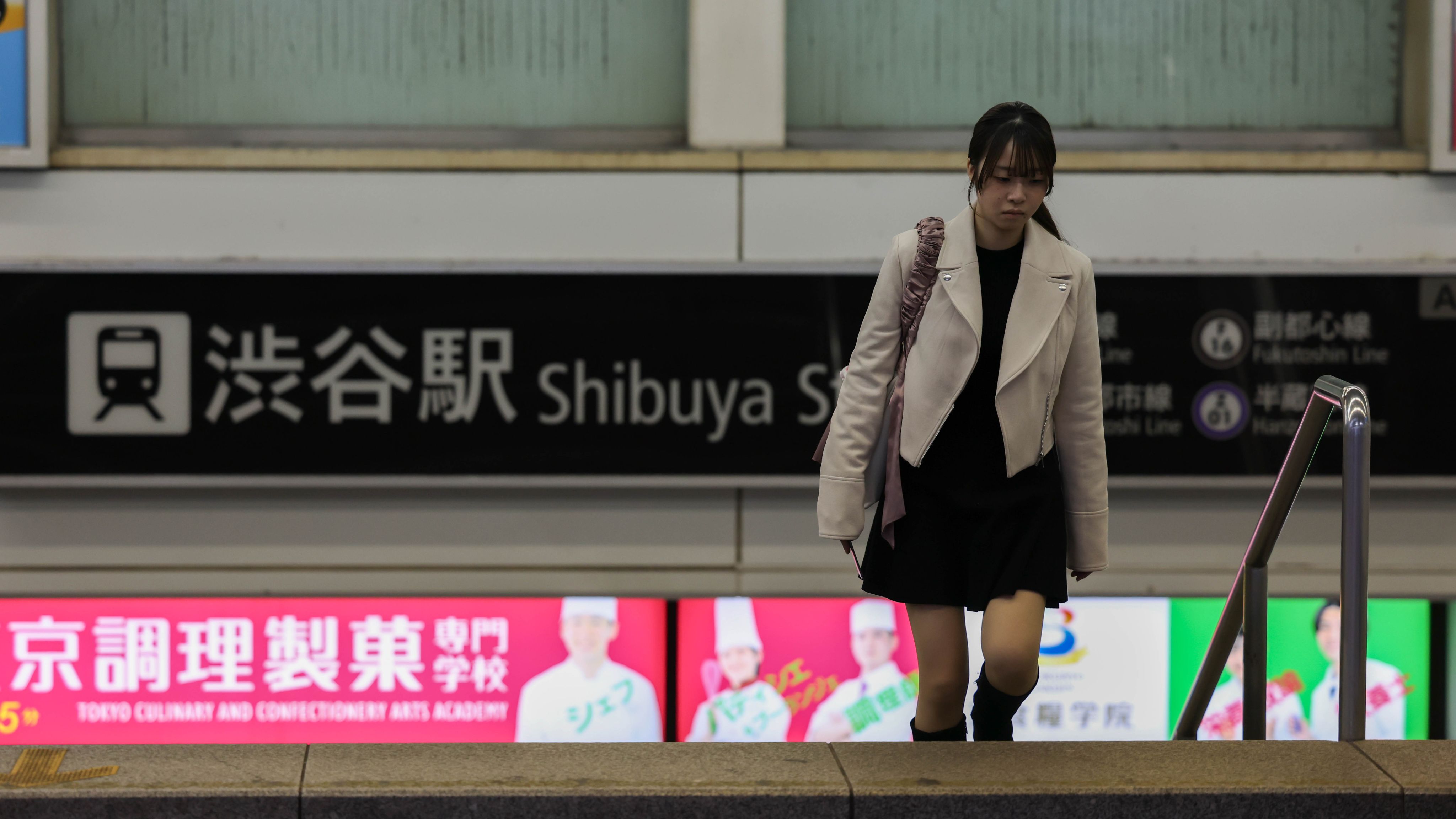
A woman walks up steps from the subway lines at Shibuya station. (Photo by Yuki Kohara)
A woman walks up steps from the subway lines at Shibuya station. (Photo by Yuki Kohara)
For architect Naito, “Shibuya will be fine, Shinjuku too.” But he is skeptical about the need for Tokyo to tackle other huge projects simultaneously. “These developments will work at transportation junctions. Elsewhere may be tougher,” he said.
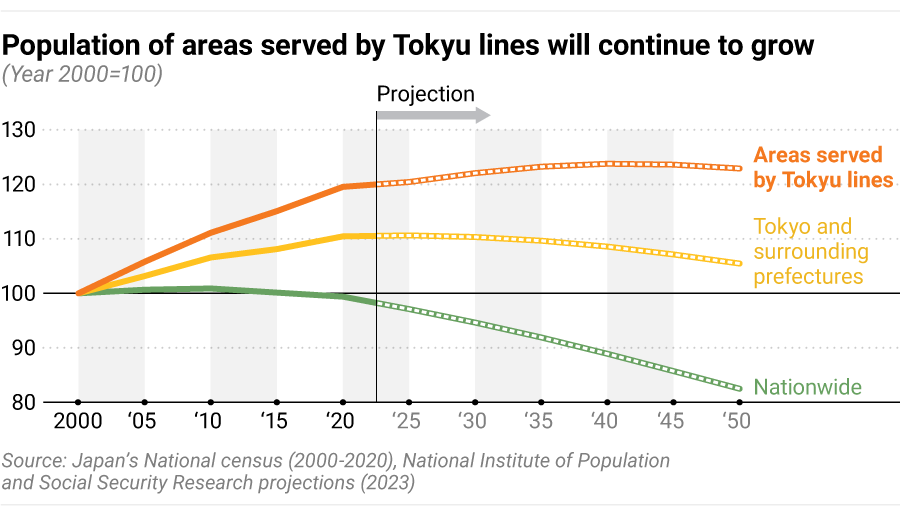
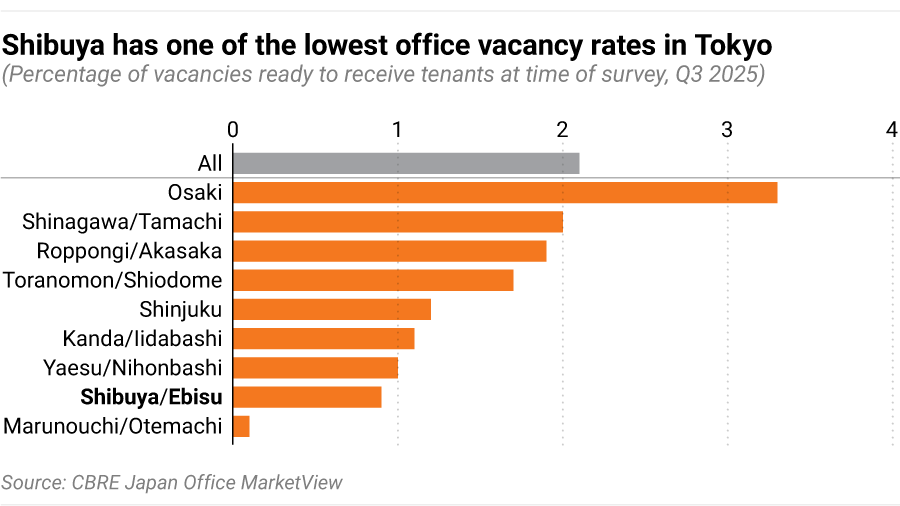
Data backs up Naito’s claim. The Shibuya area has one of the lowest office vacancy rates in Tokyo, and the number of people who live in areas served by Tokyu trains is projected to grow over the next few decades, even as the population of the capital as a whole is expected to fall.
Shibuya shows Japan can still target mega-projects – as long as they are in dense, high-demand hubs around major city rail stations. Elsewhere in the country, demographic decline and rising costs will make similar efforts harder to justify.
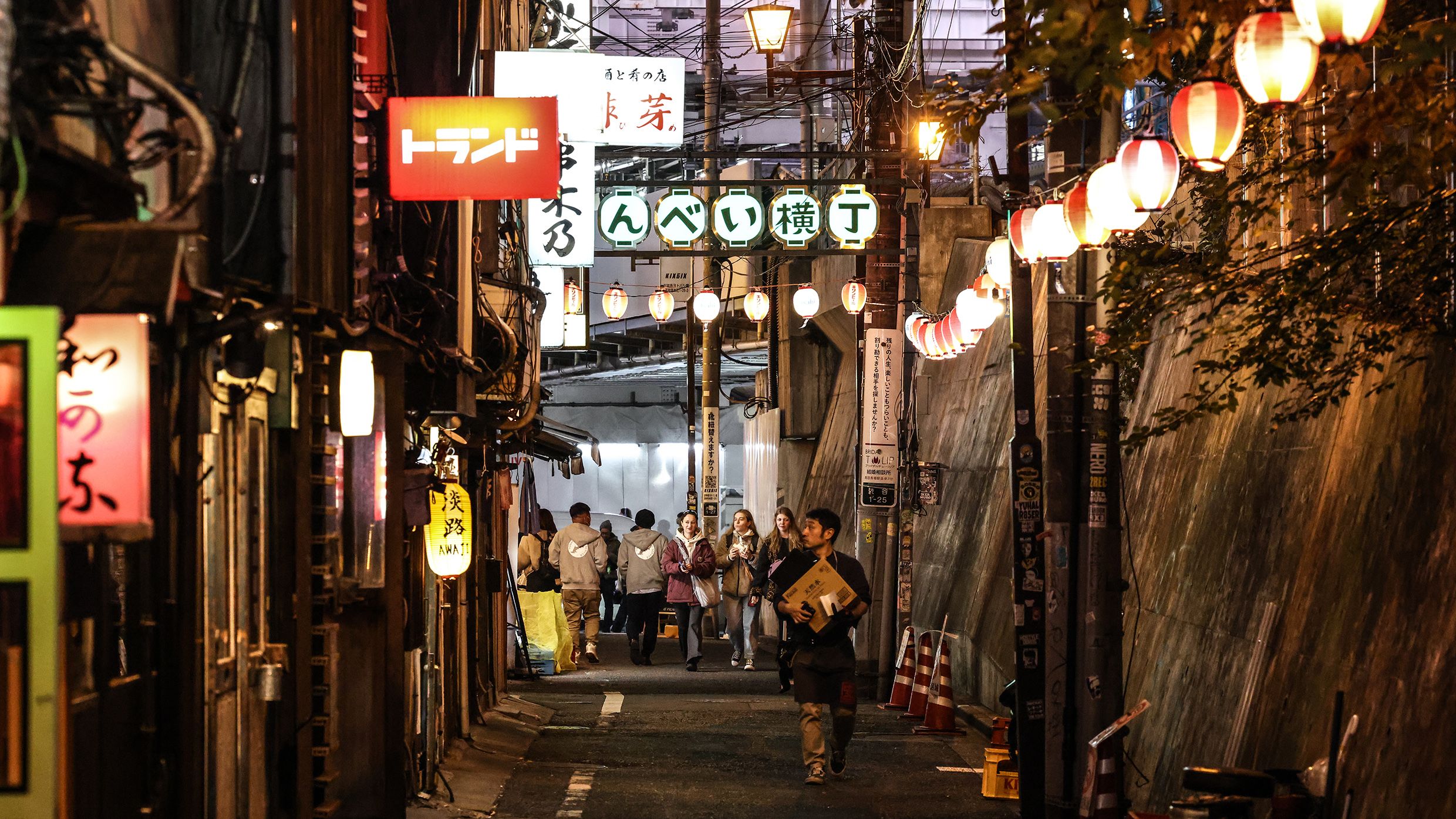
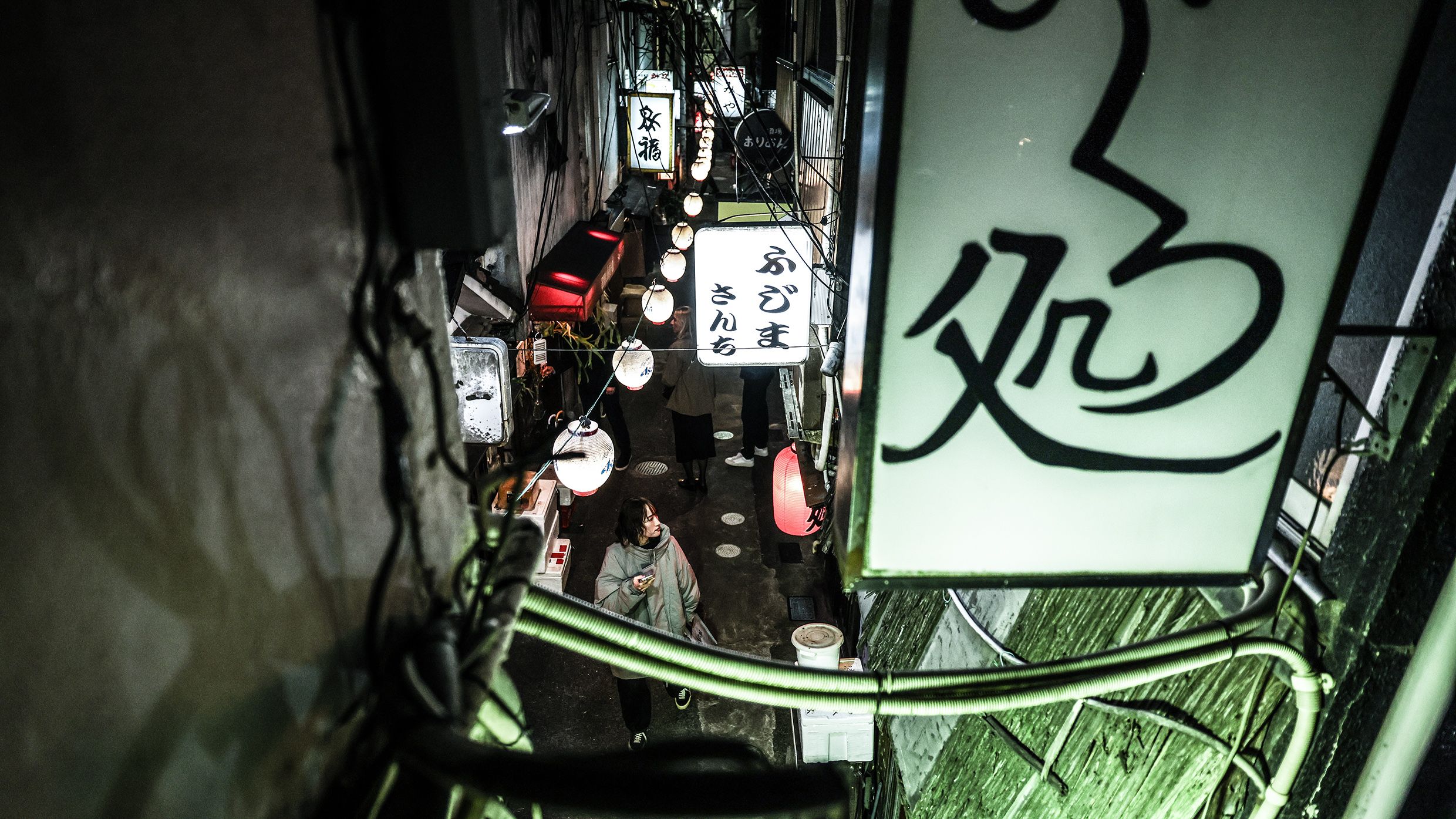
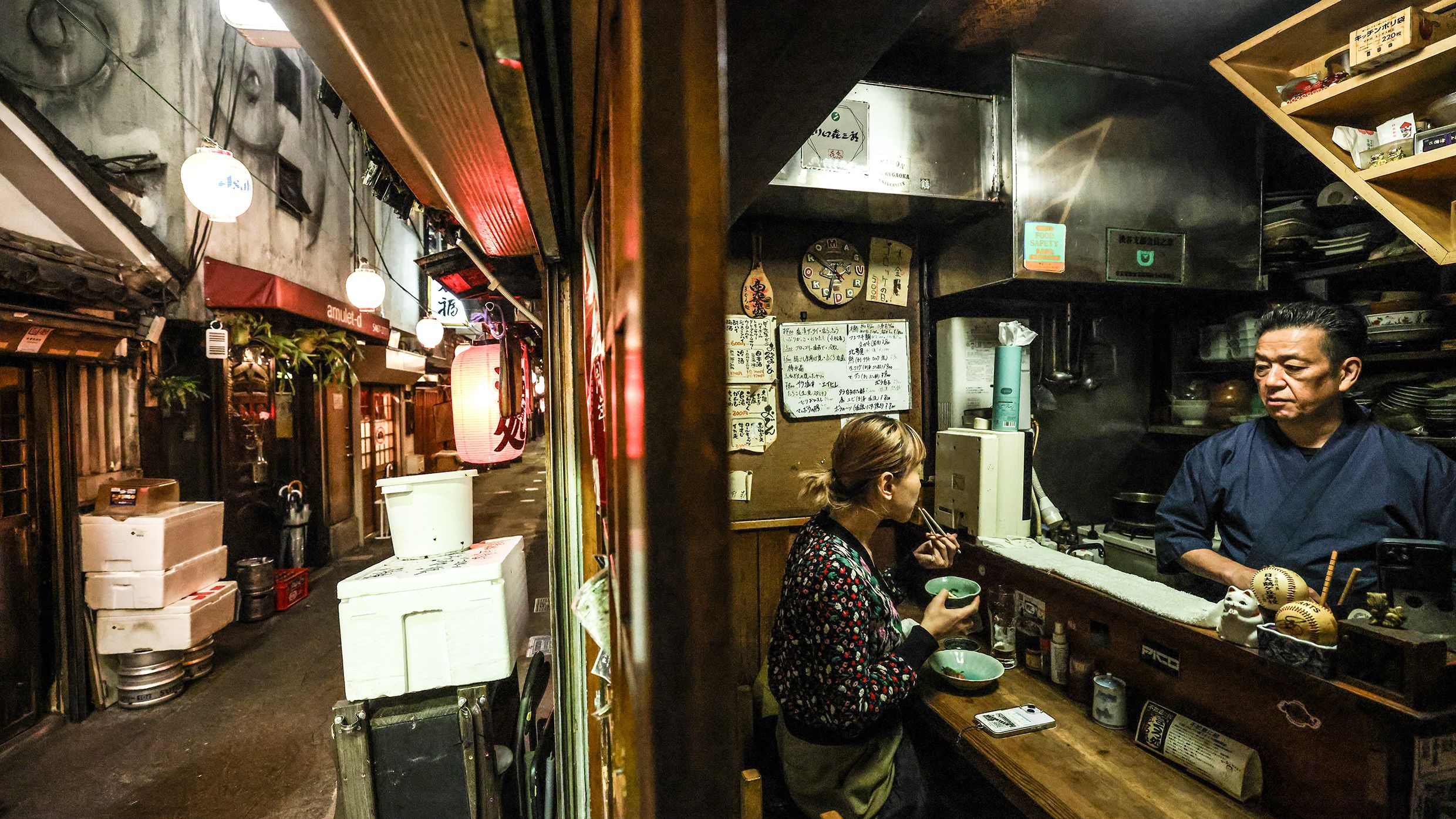
Norio Takahashi, bottom right, serving a customer in his tiny Maguro Dokoro izakaya in Nonbei Yokocho, sees a need for development – as long as it preserves Shibuya’s character. (Photos by Yuki Kohara)
Norio Takahashi, in his tiny Maguro Dokoro izakaya in Nonbei Yokocho, sees a need for development – as long as it preserves Shibuya’s character. (Photos by Yuki Kohara)
But even in places where redevelopment makes economic sense, the question is what might be sacrificed in the process. That concern comes into focus just steps away from Shibuya construction sites in Nonbei Yokocho, or ‘Drinkers Alley,’ a scruffy lane of 38 tiny izakaya pubs in the shadow of the Shibuya Scramble Square tower.
Norio Takahashi, who has run the Maguro Dokoro seafood eatery in the alley for 43 years, laments that Shibuya is modernizing too quickly. “Shibuya has lost its individuality and has become like any other city,” he told Nikkei Asia as he served a customer one evening.
But Takahashi does see a need for development – as long as it preserves Shibuya’s character.
“The alley is aging severely, and it’s difficult to keep going like this. The landlords strongly want to preserve it, but if a fire breaks out, it will be over in an instant.”
Additional reporting by Yuki Kohara.