
The 10 best-preserved historic townships in Japan
Despite tourist crowds, these communities
retain a way of life that is centuries old
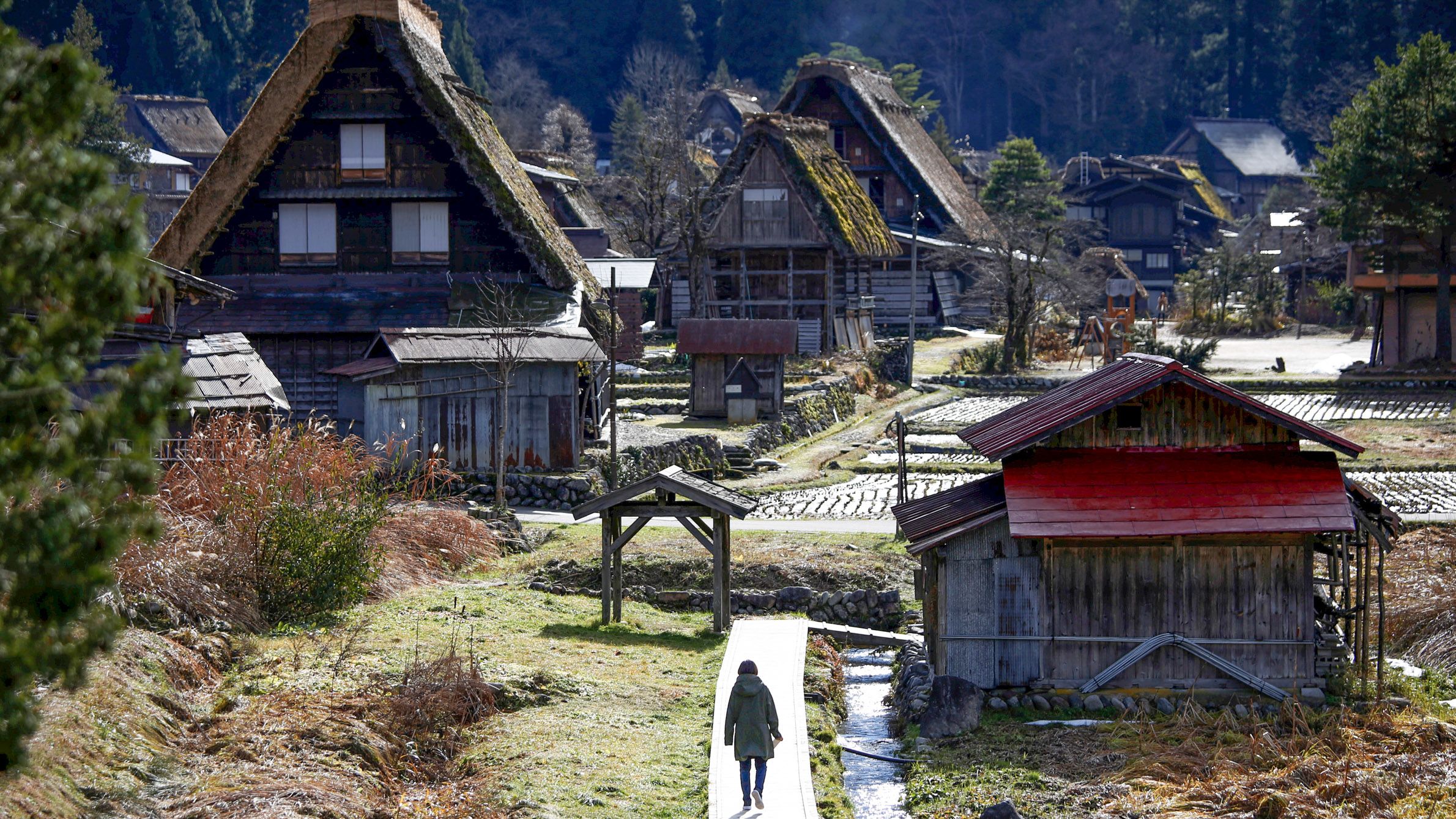

In Japan, it's not uncommon to wander into streets where time seems to stand still and traces of the past still linger. Carefully maintained by local residents, these towns and neighborhoods captivate both domestic and international visitors.
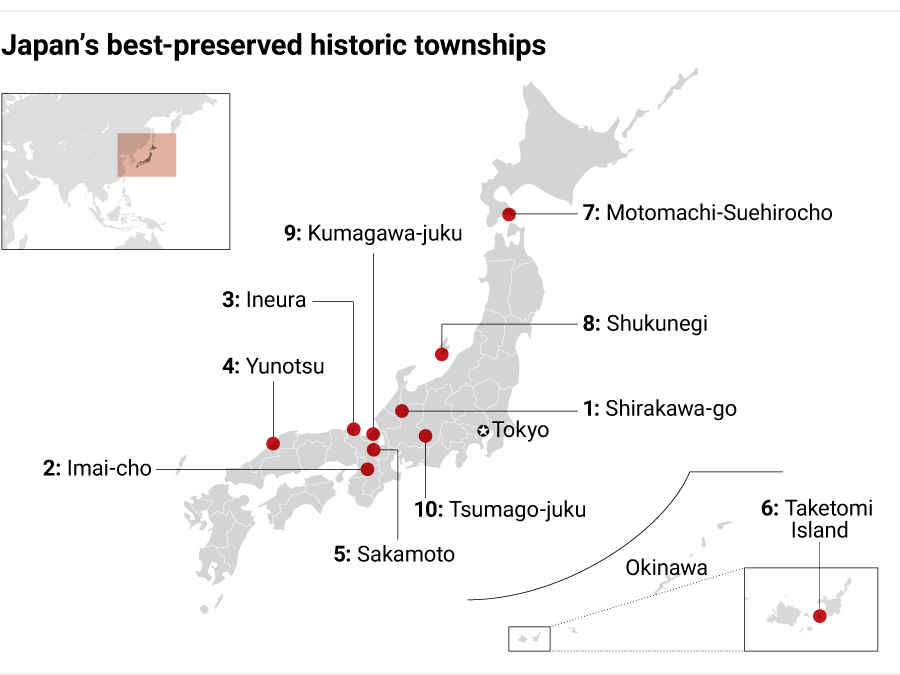
Here is an expert-curated list of 10 of the most evocative examples of this well-preserved living heritage.


1
Shirakawa-go
(Shirakawa village, Gifu prefecture)
30 years as a UNESCO World Heritage Site, supported by a communal tradition
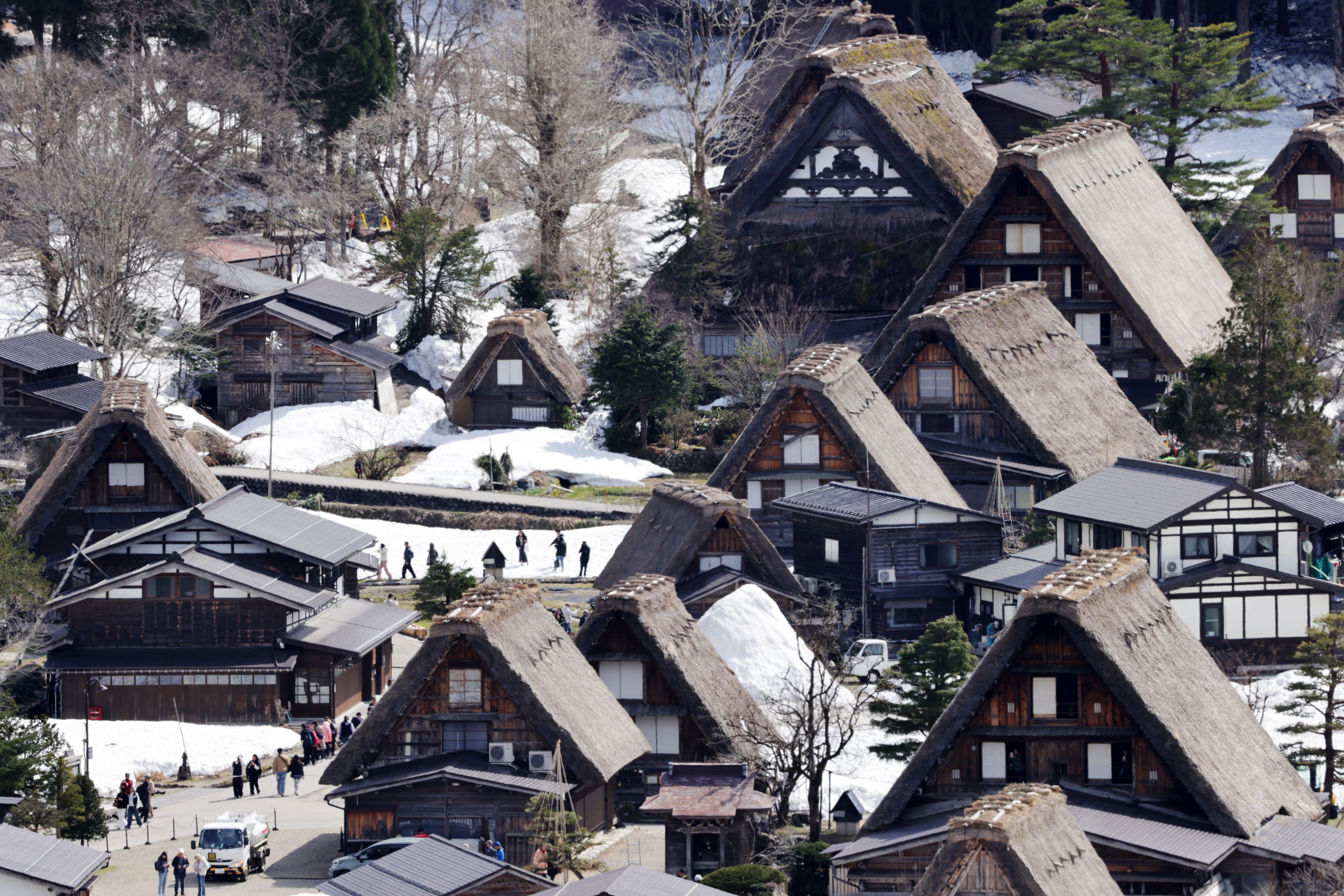
In Shirakawa-go, one of Japan's snowiest regions, the gassho-style homes -- traditional farmhouses with steep thatched roofs shaped like praying hands -- remain deeply covered by snow in late March. Some 80% of visitors appear to be foreign tourists. The thatched roofs are steep and thick to withstand heavy snow. Under them are huge, two- or three-story attics that were previously used to raise silkworms. This year is the 30th anniversary of the village becoming a UNESCO World Heritage Site, in 1995.
From the Ogimachi Castle Ruins Observatory on the northern hill, one can take in the beauty of the village. "You can see both the strength and delicacy of the homes nestled in seasonal colors. They have withstood nature's harshness, sustained by human ingenuity," said Takayuki Nakao, a travel writer.
Of the 59 gassho-style homes in the village, 20 are now guesthouses.
"In rice planting season, water-filled fields reflect the homes like a mirror. The scenery is truly unique to Japan. When you stay overnight, you can get a rare look at daily life in the village and fully appreciate the one-of-a-kind architecture," said Yuki Yamanoi, a deputy chief researcher from the Regional Research Department at the Development Bank of Japan.
At one house, young workers were rethatching the roof together as foreign visitors looked on. Recognition of such mutual support practices is one of the reasons the site has been awarded World Heritage status.
"It's also interesting to find the differences between Shirakawa-go and Gokayama's gassho-style village in Toyama," said Akiko Umezu, a senior specialist for cultural properties at Japan's Agency for Cultural Affairs. Both places have been designated as World Heritage Sites.
"Shirakawa-go is now firmly cemented as one of the most famous tourist spots in Japan, thanks to national policies to help regional regeneration and inbound tourism," said Tatsuya Ozaki, who oversees cultural properties at Shirakawa village municipal office and lives in Shirakawa-go. "But excess tourism could destroy the value, culture and way of life here. We hope to preserve the village by having people experience traditional architecture and culture for themselves."

2
Imai-cho
(Kashihara, Nara prefecture)
Pioneer in townscape preservation movement, featuring rows of heavy plaster-walled houses
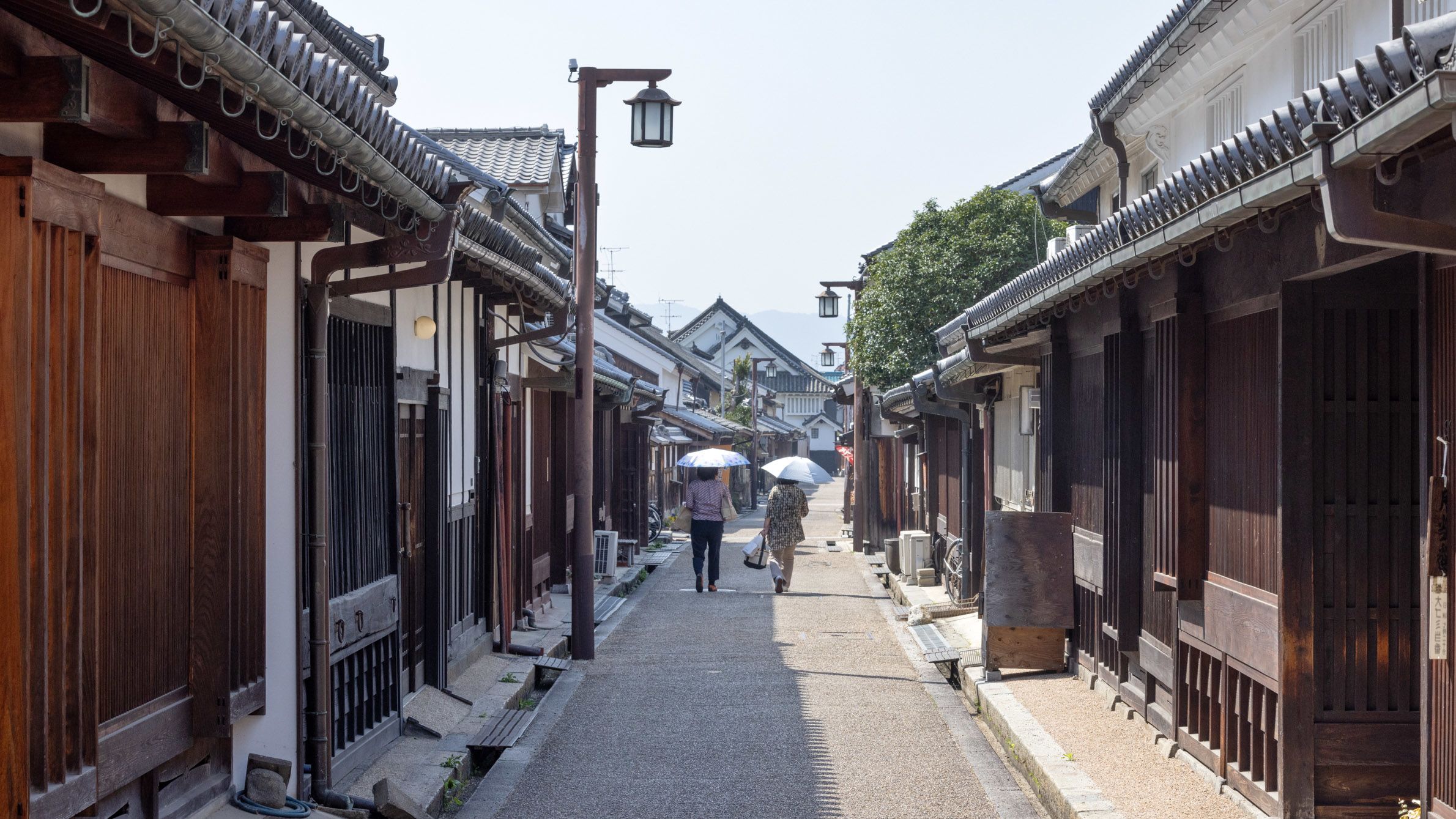
The preservation area within Imai-cho spans 600 meters east to west and 310 meters north to south. "The district is lined with traditional townhouses with heavy white-plaster walls and it proudly boasts one of the best-preserved historical landscapes in the country," said Meiji Fujita, a professor at Nara Women's University.
"Imai-cho played a vanguard role in Japan's movement to preserve historic towns," said Osamu Goto, a professor at Kogakuin University in Tokyo. "Some of the old houses in the area date back to the 17th century and provide a vivid picture of its long history."
The town is still a thriving community with houses that have been continuously occupied for generations. "Traditional houses remain closely packed, and you can feel the atmosphere of people's lives," Umezu said.
At night, the dimly lit streets take on a beauty of their own. "In these grand houses you'll find cafes and restaurants -- making it a pleasure to wander the streets," added Yamanoi.
https://www.city.kashihara.nara.jp/soshiki/1063/gyomu/1/2/1/3830.html

3
Ineura
(Ine, Kyoto prefecture)
Living life 'closest to the sea,' on 230 funaya boathouses
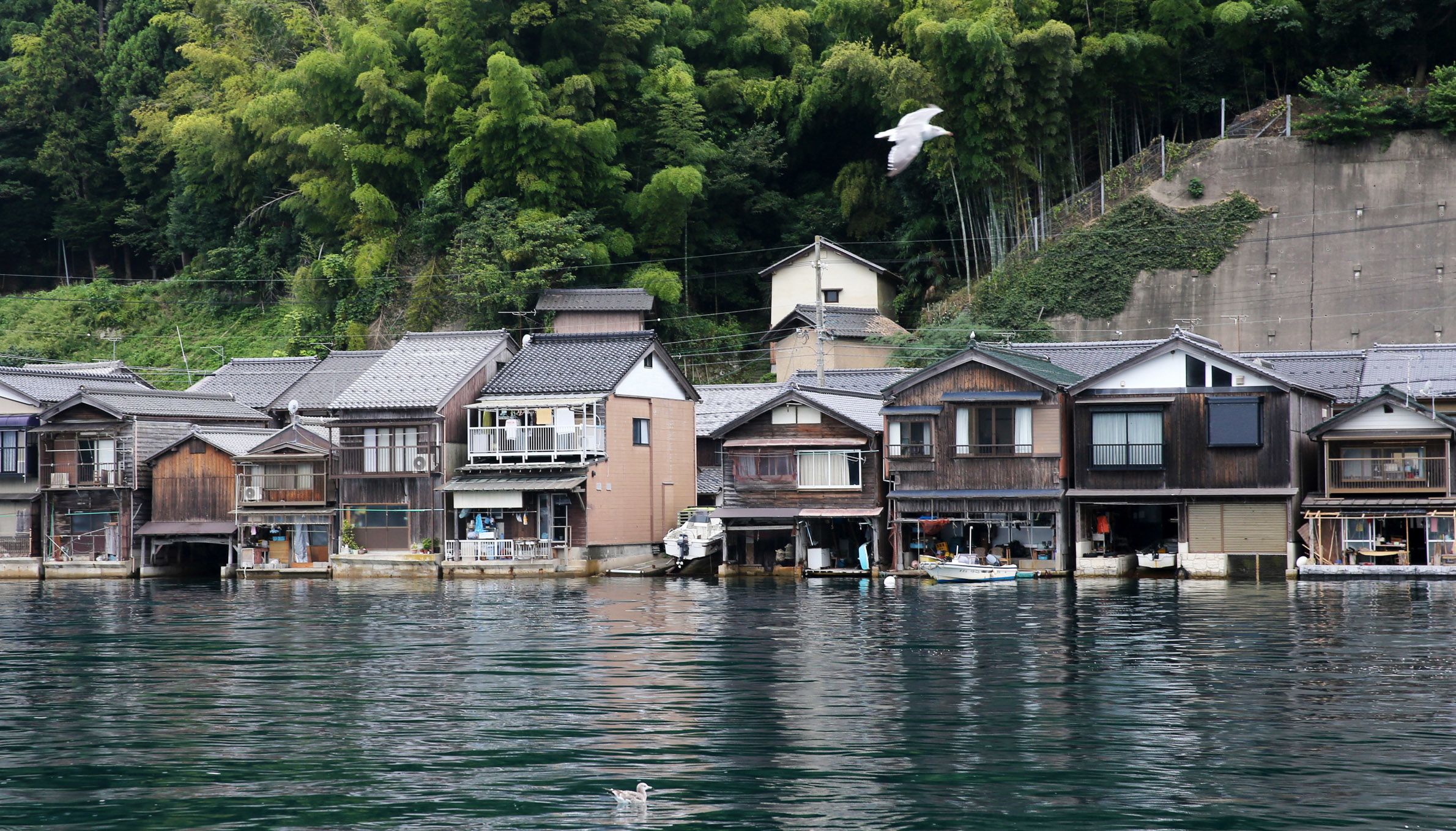
Ine Bay, also known as Ineura, is as peaceful as a lake. "The island at the southern entrance of the bay provides a natural breakwater, which makes the waters so calm. The deep seabed, low tidal variation and other natural conditions come together to make a seascape found only here," said Seinou Kobayashi, editor-in-chief of the Chizu Chushin, a monthly map magazine.
The town markets itself as having "the lifestyle closest to the sea in Japan."
"The sight of 230 funaya boathouses along the bay is stunning," said Miki Yamada, editor-in-chief of Location Japan magazine. "The salty breeze and the sound of the surf makes you forget the daily routine and reminds you of a life shaped by the sea," Fujita said.
From inside the boathouse, the sea glistens a brilliant blue. "It's a rare seaside village that's more like a South Pacific island," Nakao said. Some boathouses have been repurposed into inns or restaurants. "One of the attractions there is to enjoy seafood while looking at the sea and the boathouses," Yamanoi added.

4
Yunotsu
(Oda, Shimane prefecture)
Port town with natural hot springs, once the shipping hub for the Iwami Ginzan silver mine
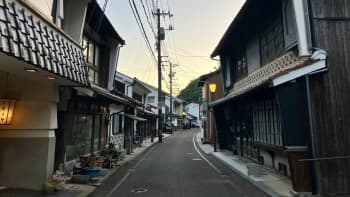
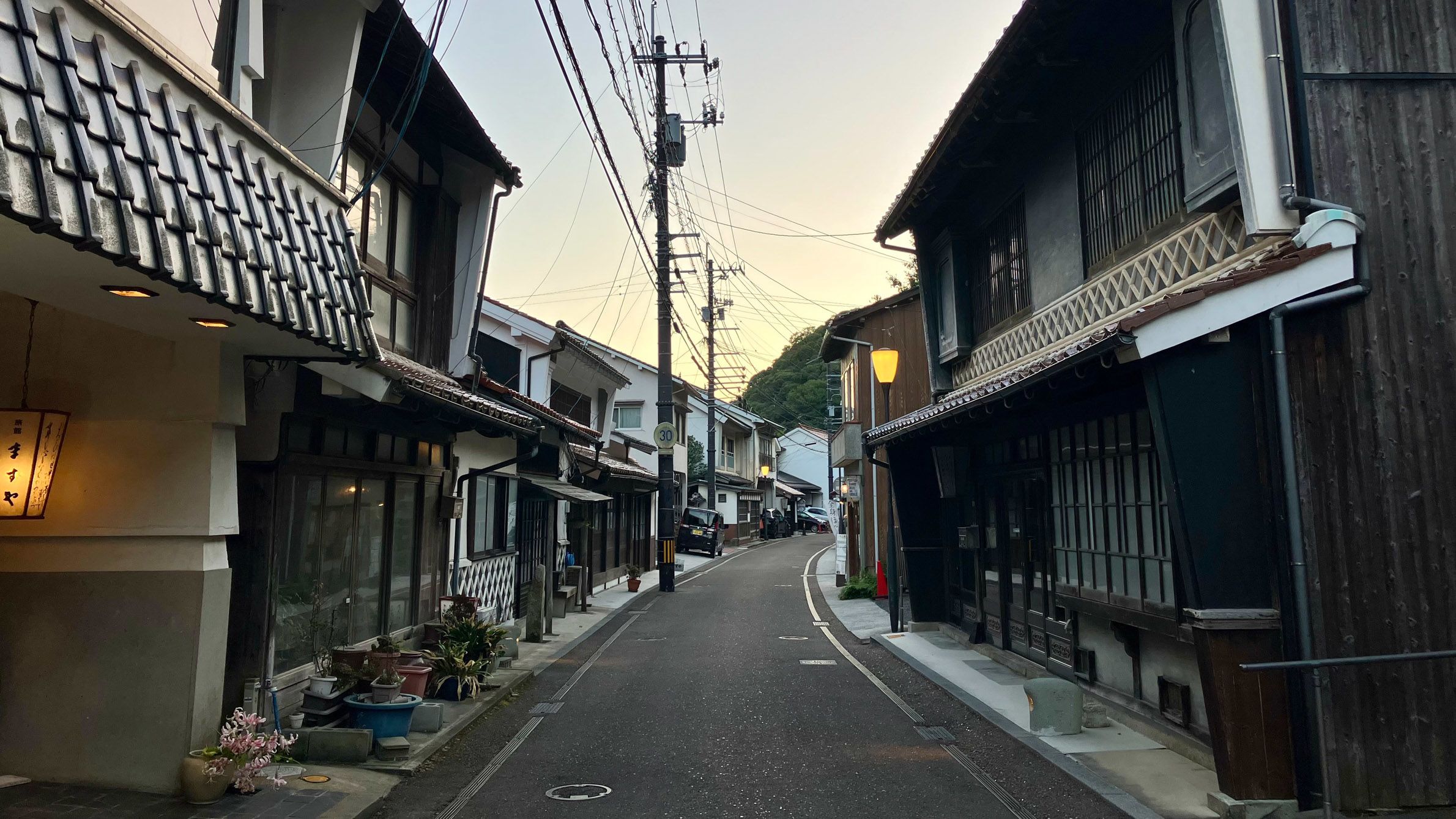
"Its name says it all -- 'yu' for hot spring, and 'tsu' for port. The town flourished as the shipping port for the nearby Iwami Ginzan silver mine," Umezu explained. It is now a UNESCO World Heritage Site. "The township traces a continuous line of development from the Edo period to the early Showa era," Kobayashi said.
"The town, known for its nostalgic atmosphere, served as a filming location. A quick side trip to Fukumitsu Beach offers dramatic views of the Sea of Japan," Yamada said. Yunotsu is Japan's only hot spring town designated as an Important Preservation District for Groups of Traditional Buildings. The town also offers public bathhouses for visitors to enjoy.
"It's a place worth visiting together with Omori Ginzan, the city's other preservation district," said Goto.
5
Sakamoto
(Otsu, Shiga prefecture)
Elegant paths along smooth stone walls -- graced by cherry blossoms in spring and colorful leaves in autumn
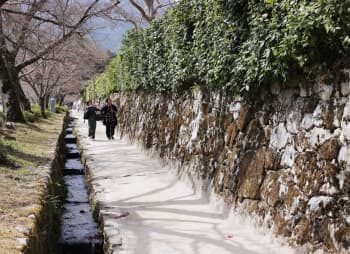
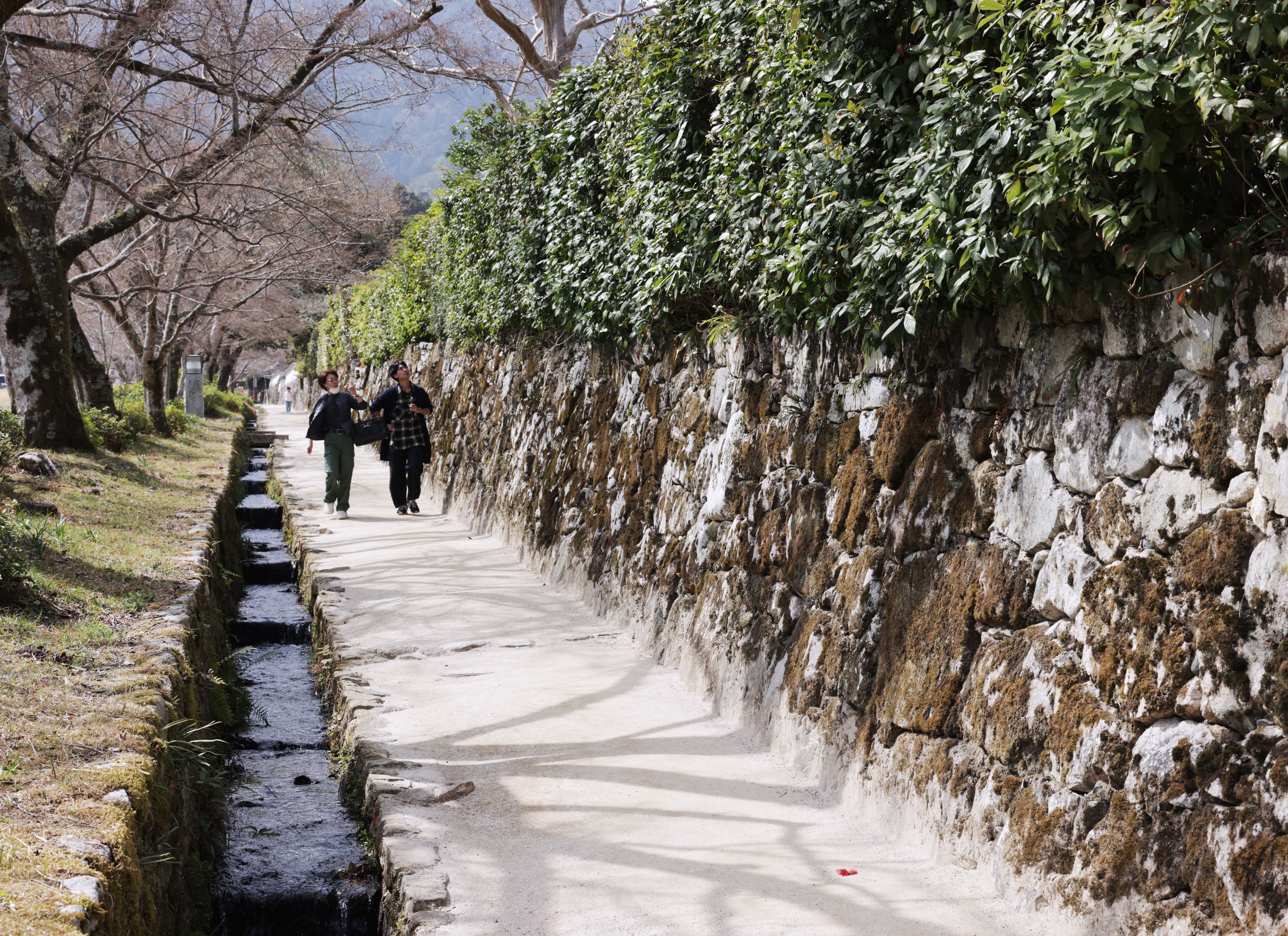
Sakamoto is a town which sprung up at the foot of Mount Hiei. "It's very different from Kyoto on the other side of the mountain -- you'll find quiet gardens around satobo temples and calming paths lined with stone walls," Yamanoi said.
The temples here that also served as residences for retired monks are especially scenic. "It's not the usual merchant street scene. I encourage people to visit and explore the distinctive scenery around the temple gates," Goto said.
The town is famous for its drystone walls. "The walls were constructed with nozura-zumi, a traditional Japanese drystone technique that uses unshaped natural stones, by a group of accomplished stonemasons known as the Anoshu, who were active from the Sengoku period," said Kobayashi. "The stonemasons also built many of Japan's most famous castle walls. These walls remain remarkably sturdy even today."
The area is particularly picturesque during spring and autumn when the cherry blossoms and fall foliage decorate the scenery. "Visitors can also enjoy exploring the history of nearby Mount Hiei and the shores of Lake Biwa," Yamada said.

6
Taketomi Island
(Taketomi, Okinawa prefecture)
Green, red and blue: colors of the Ryukyu tradition still alive across Okinawa today
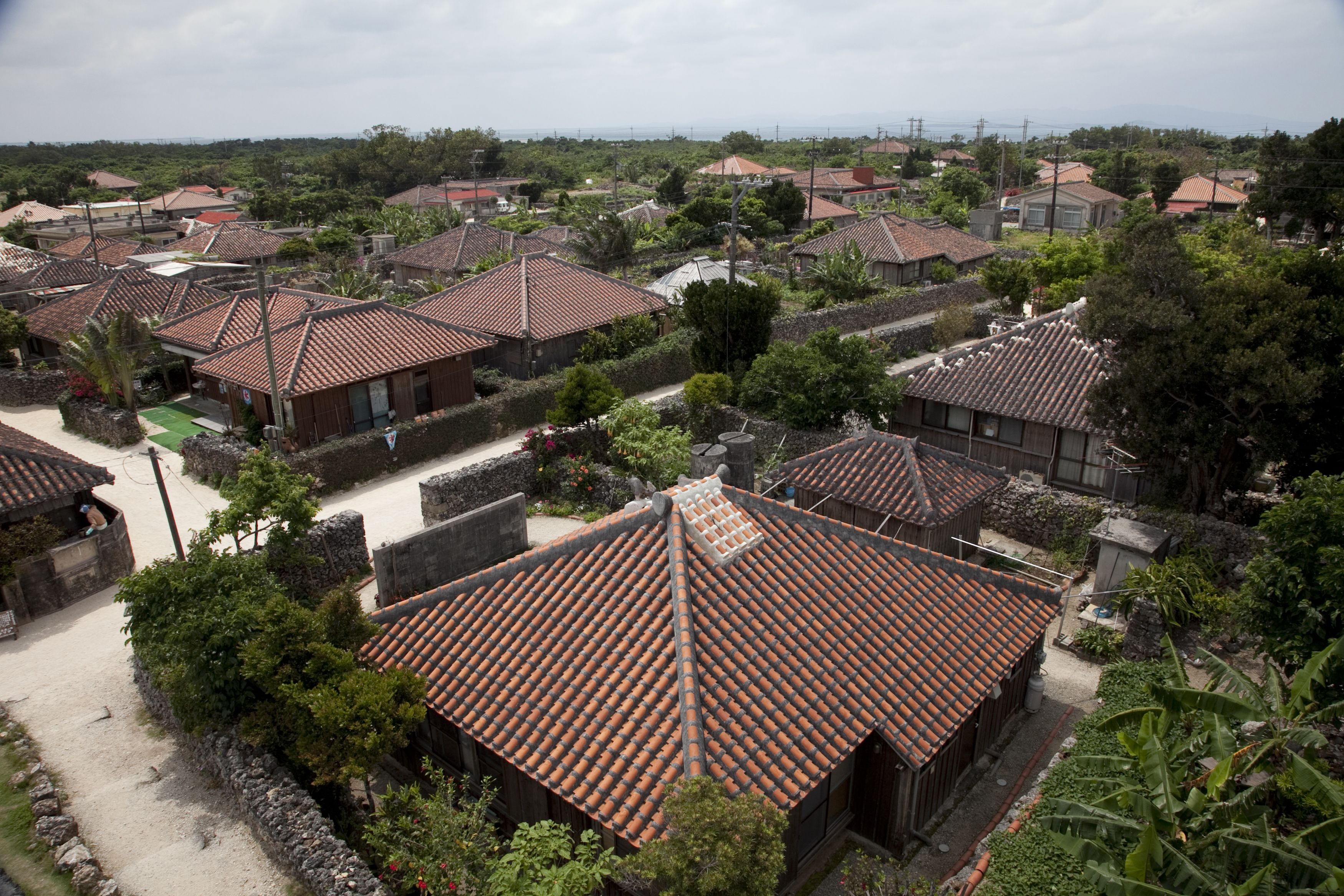
A quick 15-minute ferry ride from Ishigaki Island, Taketomi is a small circular island with a traditional village of low houses at its heart. "The island's characteristic scenery includes red clay tile roofs and white coral paths, which are distinctively Okinawan," Kobayashi told. "Green fukugi trees, red hibiscus flowers, the blue sea, and shisa statues on the rooftops complete the colorful scene," Nakao added.
Despite being home to under 330 residents, the island sees more than 500,000 tourists per year. A local charter, the Taketomi Island Code, protects the island from overdevelopment and ensures its traditional landscape is preserved by the local community.
"Listening to the sound of the sanshin (a three-string music instrument) under the open sky brings the Ryukyu way of living back to life," Fujita said. Yamada added that riding in a water buffalo cart through the village "lets you feel Okinawa's laid-back pace."

7
Motomachi-Suehirocho
(Hakodate, Hokkaido)
Blend of cultures flows from the hilltops to the harbor
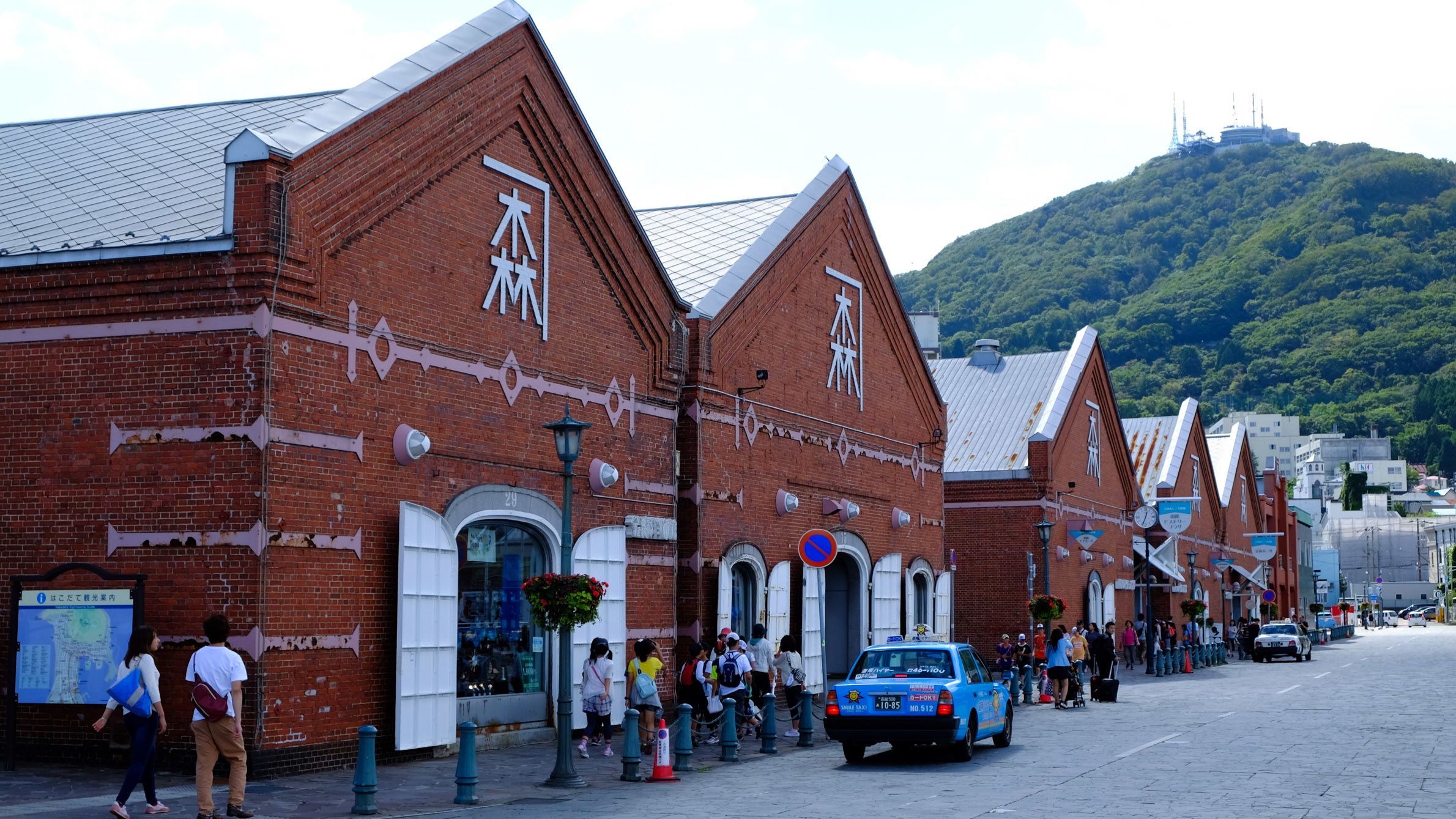
Hakodate, a gateway to northern Japan, offers a townscape with a distinct foreign feel. At the heart of this area is Motomachi-Suehirocho. "The spirit of the Meiji era and the pioneering history of Hokkaido seem to come alive as you walk the sloping streets leading to the sea, lined with Western-style buildings like the Hakodate Orthodox Church and former Public Hall, as well as elegant structures that blend Japanese and Western designs," Fujita said.
The town developed as a treaty port in the later Edo period. "After several major fires, its layout has been designed with fire prevention in mind," Umezu explained. Rows of red brick warehouses line the harbor. "The unique streets, shaped by the town's history as a thriving trading port, earned the town the grand prize at the Location Japan Awards," Yamada said.
8
Shukunegi
(Sado, Niigata prefecture)
Lost in Edo-era alleyways
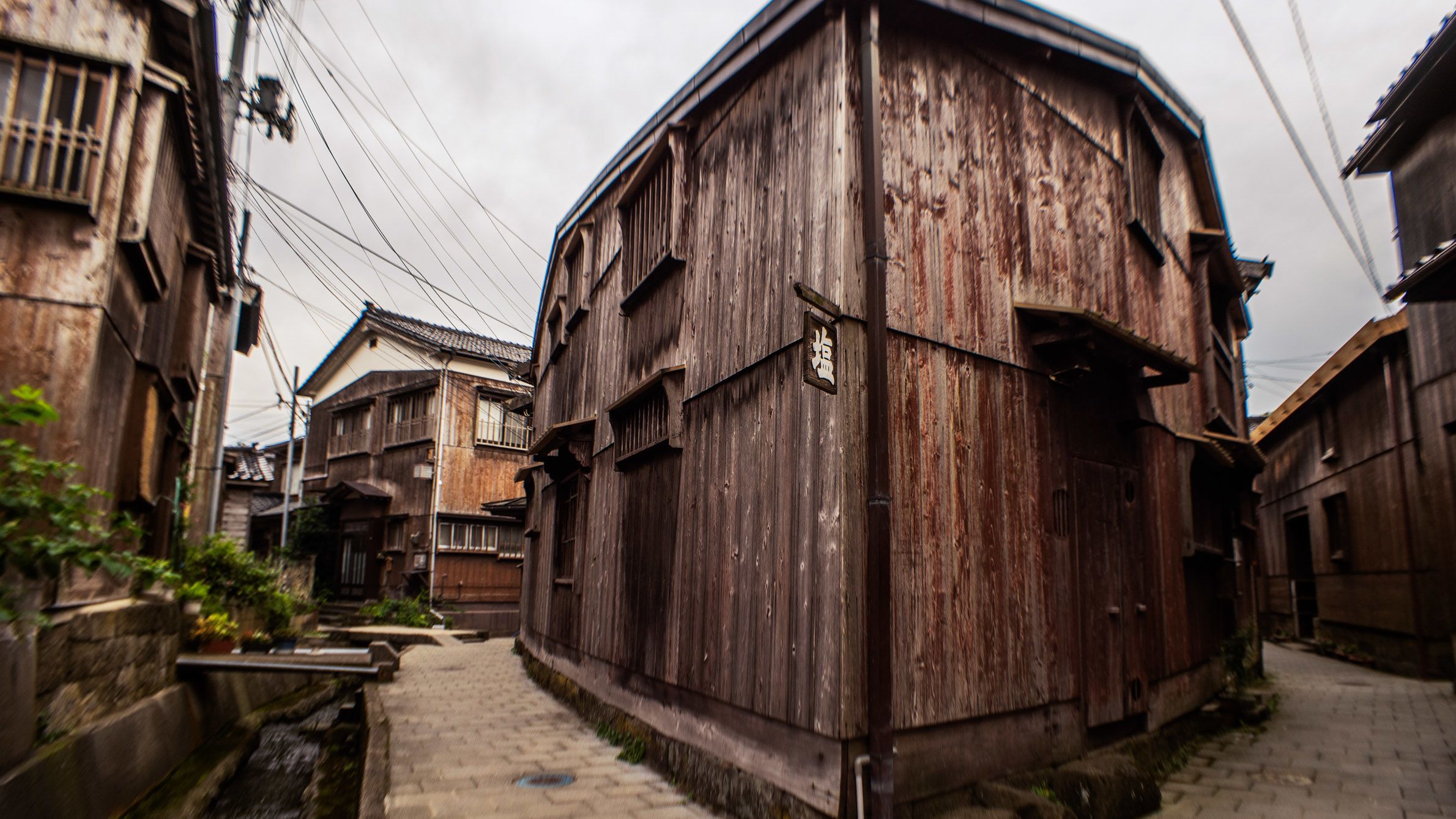
Shukunegi is a historic village nestled in a narrow inlet shaped by marine terraces on the southwestern coast of Sado Island. Umezu said, "Wandering its maze-like alleyways, you'll find houses built using shipbuilding techniques. Though their exteriors are plain, the interiors reveal intricate craftsmanship, with lavish use of lacquer that reflects the high level of skill. I hope visitors will experience it firsthand."
Once a thriving port for trading ships during the Edo period, the village is home to more than 100 traditional wooden plank houses. "The roofs are weighted with stones to withstand the strong winds coming off the Sea of Japan," Kobayashi said.
Walking through the village, "you feel as if you've stepped back into the Edo period," Yamada said. A peaceful atmosphere prevails here, where daily life and history are quietly intertwined.
9
Kumagawa-juku
(Wakasa, Fukui prefecture)
Historic post town with flowing waterways on the Mackerel Road to Kyoto
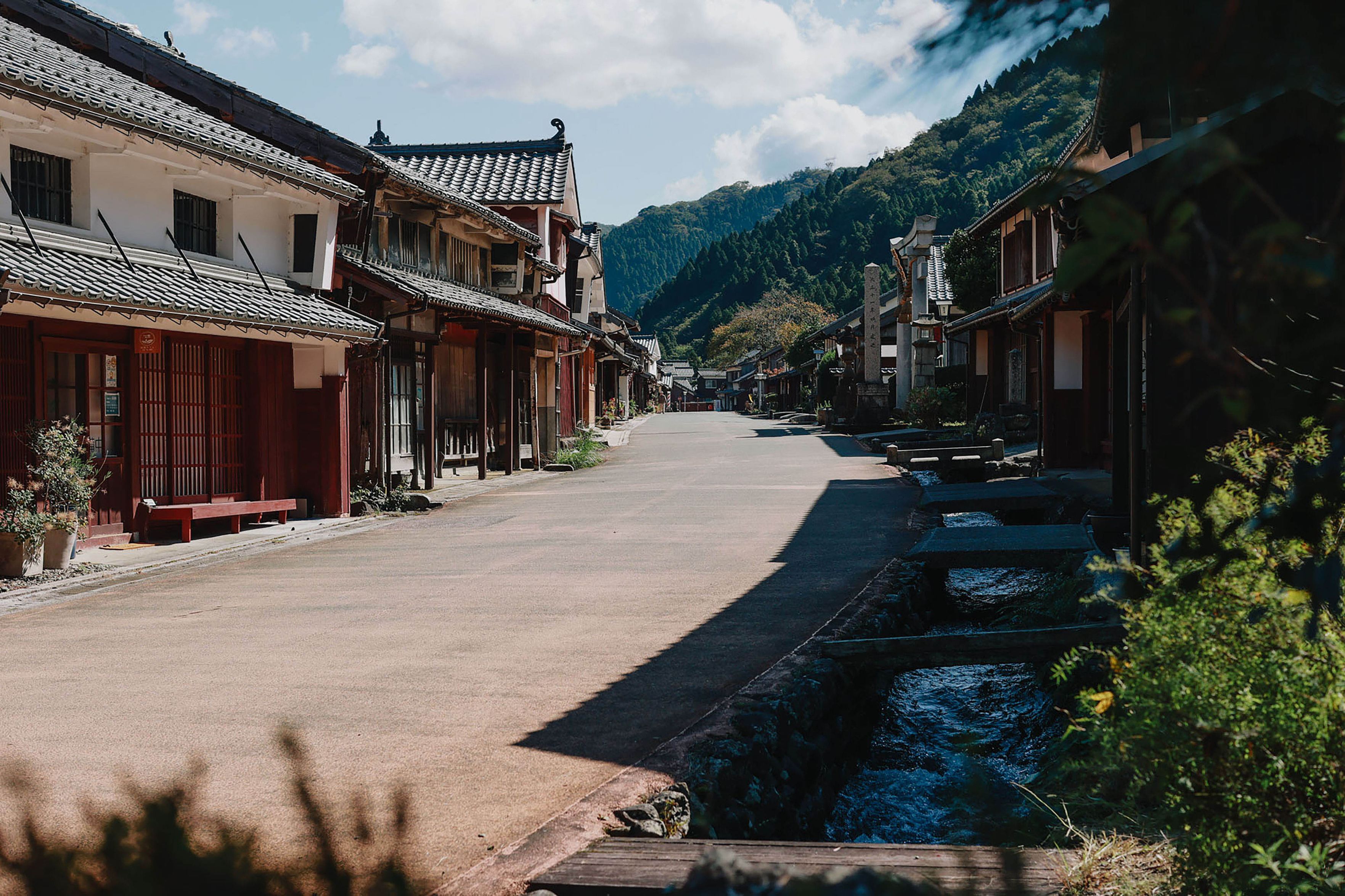
Kumagawa-juku is a former post town located in the central part of the Wakasa region, located along the Saba Kaido (or Mackerel Road) toward Kyoto, which once carried fish and goods to the capital. "Rows of traditional houses stretch for over a kilometer. There are no power lines or garish signs -- just the nostalgic charm of everyday life," Nakao said.
Running parallel to the road are waterways still used in daily life by local residents. "Efforts are underway to breathe new life into the town, such as turning old houses into inns or shared workspaces," Goto pointed out.
"Located in what was once known as a region that supplied food to the imperial court, Kumagawa-juku retains the lively atmosphere of its past, when traders brought seafood and mountain produce to Kyoto," Yamada said. "It's a picture-perfect place worth walking through." Visitors can park at a roadside station and explore the town on foot.

10
Tsumago-juku
(Nagiso, Nagano prefecture)
Post town along the mountainous Kiso Road keeps Edo-period travel frozen in time
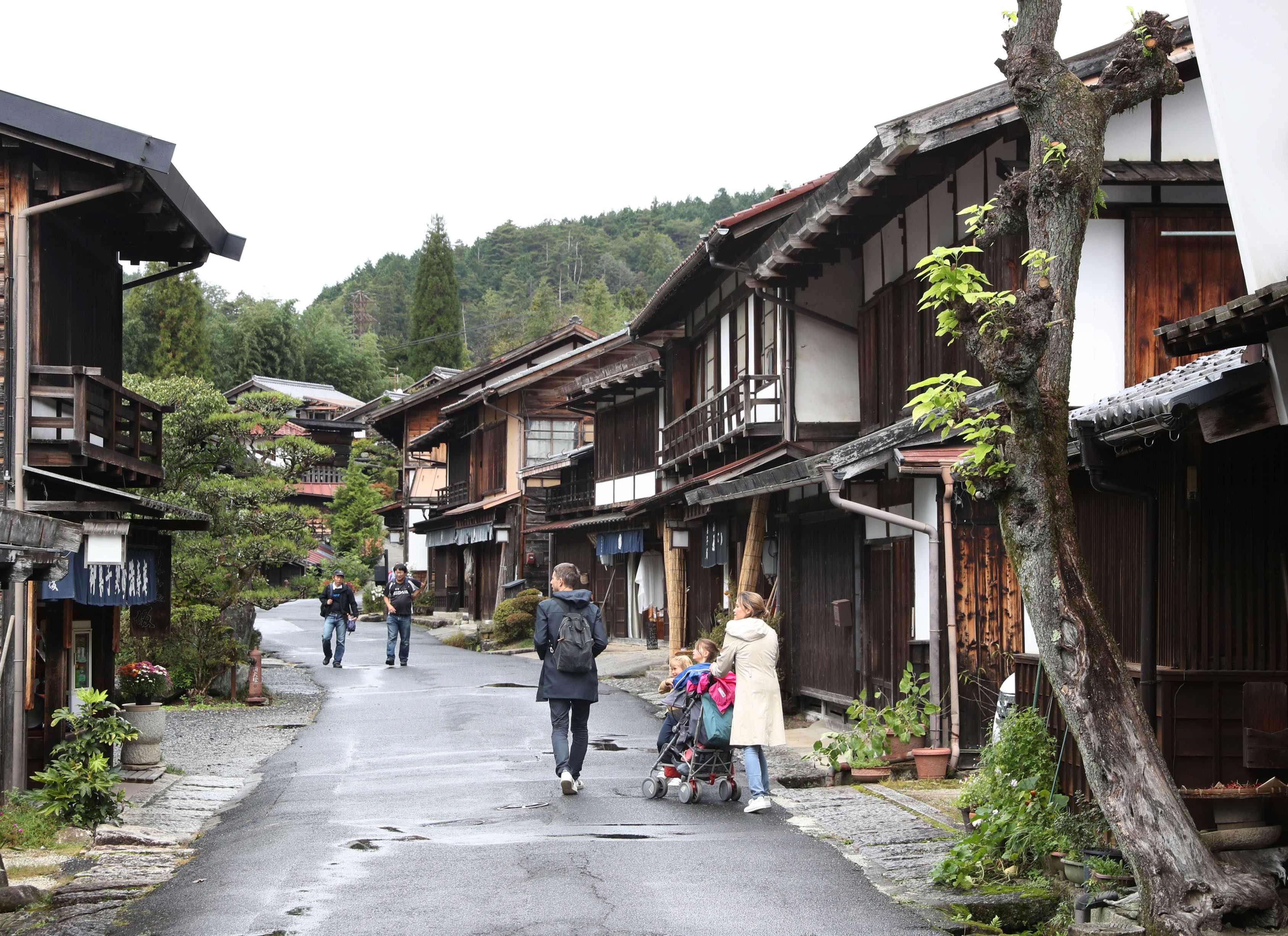
"The Kiso Road lies entirely in the mountains." So begins "Before the Dawn," the novel by Toson Shimazaki. Tsumago-juku is a well-preserved post town that still stands deep in the mountains along the Kiso Road. Its preservation area is the largest among all Important Preservation Districts for Groups of Traditional Buildings, and it includes the surrounding forested landscape as well.
"The entire town looks like an open-air museum of the culture of travel in the Edo period, with honjin inns that once hosted feudal lords, hatago lodgings for travelers, and other Edo-period features such as checkpoint gates and bulletin boards. It reflects the town's pioneering role in Japan's preservation movement and more than 50 years of dedicated effort," Nakao told.
The 9-kilometer Kiso Road trail between Tsumago-juku and Magome-juku in Gifu prefecture is perfect for a scenic walk. "Street lighting is kept minimal to preserve the Edo-period atmosphere. I hope visitors stay at local inns and enjoy a nighttime stroll as well," Umezu said.
Survey method: A list of 27 areas selected from 129 Important Preservation Districts for Groups of Traditional Buildings across Japan was compiled with the cooperation of Shoko Umezu and Miki Yamada. From the selected areas, we asked seven experts to choose their top 10, based on two criteria: the aesthetic appeal of the townscape, including preservation efforts, and their attractiveness as tourist destinations. Our editorial team tallied the results.
Editor: Akira Hayakawa
Copy editor: David Cortez